






Moving Head Strobe vs. LED Strobe: Which Suits Your Event?
- Understanding strobe technologies for live events
- What counts as a strobe in stage lighting?
- Key performance parameters I always check
- Technical comparison: moving head strobe vs. LED strobe
- Core mechanical and optical differences
- Energy, heat, and lifetime considerations
- Control granularity and effects
- Side-by-side feature table
- Choosing the right strobe for your event
- Concerts and large-scale live music
- Club nights, TV production, and broadcast
- Corporate events and theatrical productions
- Deployment, integration, and safety considerations
- Rigging, weight, and infrastructure
- Power distribution and dimming/control
- Audience safety and health considerations
- Real-world decision scenarios (my recommendations)
- Scenario A: Arena rock concert
- Scenario B: TV awards show
- Scenario C: Club residency or festival tent
- Uplus Lighting: manufacturer capabilities and why it matters
- Competitive strengths I look for in vendors
- Cost of ownership: how I calculate it for clients
- Initial purchase vs lifetime cost
- Sample TCO assumptions I use
- Frequently Asked Questions (FAQ)
- 1. What is the main difference between a moving head strobe and an LED strobe?
- 2. Are LED strobes safe for broadcast (will they flicker on camera)?
- 3. Which strobe type produces more punch on large audiences?
- 4. How do I mitigate photosensitive epilepsy risks with strobes?
- 5. Can moving head strobes and LED strobes be mixed on the same show control system?
- 6. How do I choose between replacing a failing xenon strobe lamp or upgrading to LED?
- Contact and next steps
I’ve worked with rental houses, production designers, and venue technical teams for over a decade, specifying and operating everything from compact LED strobes to high-output moving head strobes. In this article I explain the practical differences between moving head strobe and LED strobe fixtures, show measurable trade-offs, and give decision-making guidance so you can match the right strobe to your event’s artistic goals, technical constraints, and budget.
Understanding strobe technologies for live events
What counts as a strobe in stage lighting?
A strobe is any lighting fixture that produces rapid flashes of light. In stage contexts, strobes are commonly implemented using xenon discharge lamps (traditional flash strobes), dedicated strobe modules in moving head fixtures, or arrays of LEDs timed to flash. The Wikipedia overview of strobe lights explains the basic physics behind flash generation and distinguishes continuous sources from pulsed ones (Wikipedia: Strobe light).
Key performance parameters I always check
When I evaluate strobes I look at flash intensity (lumens or candela), flash duration and rise/fall time, maximum pulse rate (Hz), color capability, beam shaping, thermal behaviour, and control protocol compatibility (e.g., DMX512). The DMX512 protocol remains the industry standard for addressing and controlling fixtures on stage (DMX512 overview). These technical metrics directly shape the creative possibilities and operational limits of a fixture.
Technical comparison: moving head strobe vs. LED strobe
Core mechanical and optical differences
Moving head strobe units combine a powerful flash module with pan/tilt mechanics and often imaging effects (gobos, prisms). LED strobes are typically static housings or compact fixtures that employ high-power LEDs and sometimes RGBW mixing but lack motorized positional control. If you need a swept beam or quickly changing pointing direction, a moving head strobe is the obvious choice. For large-area wash and surface saturation, LED strobes often perform better in arrays.
Energy, heat, and lifetime considerations
LED strobes generally consume less power and produce less waste heat than xenon-based or discharge strobes. High-quality LEDs have rated lifetimes upwards of 50,000 hours under proper drive conditions (LED lifetime reference). Traditional flash lamp modules can require more frequent lamp replacement and service. Those maintenance cycles matter a lot for rental companies and fixed venues where uptime is critical.
Control granularity and effects
Moving head strobe fixtures support pan/tilt, intensity strobing, and integrated effect wheels, allowing dynamic spatial choreography. LED strobes excel at color mixing and precise pulse rates with microsecond-level control in many modern fixtures. Both types integrate with DMX and Art-Net, but the channel footprint differs: moving lights often use many channels for positioning and effects; LED strobes usually use fewer channels focused on intensity and color.
Side-by-side feature table
Below is a practical comparison I use when advising clients. Values are typical ranges; confirm specific model specs before purchase.
| Feature | Moving Head Strobe | LED Strobe |
|---|---|---|
| Light Source | Xenon/flash module or high-power LED array with integrated optics | High-power LED arrays (RGB/RGBW) or single-color LED banks |
| Beam Control | Full pan/tilt, zoom, focus, gobos | Static mount; beam angle fixed or limited optics |
| Flash Rate | High-intensity short bursts; limited by lamp recharge and driver | High repetition rates (tens to hundreds Hz) with precise timing |
| Colour Options | Often white or limited gel/filter options; some have color wheels | Wide RGB/RGBW/RGB+UV mixing with continuous color control |
| Power Consumption | Medium to high (varies with lamp type); can have high inrush | Lower overall; more efficient lumens/W |
| Maintenance | Lamp replacements, lamp housings, and moving parts service | Mostly driver and fan maintenance; longer service intervals |
| Typical Uses | Concert peaks, high-impact moments, spotlighting moving beams | TV, club edges, immersive surfaces, synchronized pulse arrays |
Sources: technical overviews and industry standards including DMX512 (DMX512), basic strobe theory (strobe), and LED technology references (LED).
Choosing the right strobe for your event
Concerts and large-scale live music
For headline concerts where you need dramatic beam movement, sweeping audience hits, and integration with followspots or moving trims, I recommend moving head strobes. Their ability to reposition the flash and layer gobo/beam effects creates that knife-like energy producers want. Use LED strobe arrays for intense surface coverage and synchronized floor effects; they pair well with video walls and LED tapes where color consistency matters.
Club nights, TV production, and broadcast
In TV studios and clubs where flicker and color rendering are critical, LED strobes often have an edge. They provide precise pulse timing and color control which helps avoid camera flicker issues when configured with the show's frame rate and camera exposure. Always verify fixture PWM frequency and camera compatibility to reduce artifacts; manufacturers publish flicker mitigation specs for broadcast-safe operation.
Corporate events and theatrical productions
Corporate shows usually prioritise reliability, low maintenance, and predictable control. LED strobes tend to be lower maintenance and are easier on venue power budgets. Theatrical designers sometimes prefer moving head strobes for special moments, but they factor in rigging complexity and sightlines. I consult early with the lighting designer and production manager to confirm load-in, rigging points, and distribution of control channels.
Deployment, integration, and safety considerations
Rigging, weight, and infrastructure
Moving head strobes are heavier and require secure truss handling and correct safety cabling. For temporary rigs, factor in the extra labor and potential weight limits on truss or flown arrays. LED strobes are lighter, easier to chain, and faster to rig in arrays. Always follow the venue's rigging guidelines and local safety standards; regular visual inspections and certified riggers reduce risk.
Power distribution and dimming/control
Moving heads can have high instantaneous draw and inrush currents; coordinate power distro to avoid circuit trips. LED strobes typically have more stable steady-state draw but require correct driver configuration. Both fixture types should be patched and addressed on your DMX console or network (Art-Net/sACN). For consistent operation, I recommend testing all fixtures on-site during load-in to verify channels and behaviour.
Audience safety and health considerations
Strobes can trigger photosensitive epilepsy in susceptible individuals. As part of risk mitigation I recommend clearly communicating strobe moments in event marketing material, having safety liaisons, and configuring the pulse rate and intensity to reduce risk when possible. Industry guidance on strobe safety and health effects can be found through performing arts associations and medical advisories; follow venue policy and local regulations.
Real-world decision scenarios (my recommendations)
Scenario A: Arena rock concert
Requirement: Big peaks, moving beams, interaction with aerial performers. Recommendation: Prioritize moving head strobes supplemented by LED strobe walls along the stage perimeter for wash and floor hits. The moving heads deliver spectacle; LED banks provide color coordination and coverage.
Scenario B: TV awards show
Requirement: Broadcast-safe, consistent color, minimal movement on camera. Recommendation: Use broadcast-rated LED strobes with validated flicker-free settings for the given camera frame rates. If moving effects are needed, use motorized fixtures with tested camera compatibility.
Scenario C: Club residency or festival tent
Requirement: Long run times, durability, energy efficiency. Recommendation: LEDs for continuous operation and lower power bills; incorporate a few moving head strobes for specialty drops and climaxes if budget allows.
Uplus Lighting: manufacturer capabilities and why it matters
Uplus Lighting was established in 2012 in Guangzhou, China, and is a professional manufacturer specializing in high-end stage lighting products. We provide innovative and reliable lighting solutions for theaters, studios, cultural projects, concerts, and live events worldwide. With rich experience in product development, manufacturing, and export, we offer a wide product range covering professional lighting, entertainment lighting, and theater lighting to meet the needs of large performances, rental companies, distributors, and project clients. Since 2015, our products have been widely applied in major concerts, opera houses, TV programs, and large-scale events in China and abroad. We also support OEM orders and customized product development. A skilled production team and strict quality control ensure stable performance, consistent quality, and professional service trusted by global partners.
I’ve partnered with manufacturers like Uplus Lighting when projects require tight delivery timelines, reliable global support, and flexible OEM options. Their main product categories include moving head lights, strobe lights, led battery lights, static lights, led theatre lights, led follow spot light, stage effect lights, laser lights. What sets manufacturers like Uplus apart in my experience is the combination of R&D focus, rigorous QC, and a product range that spans rental-grade moving head strobes to energy-efficient LED strobe panels—making it easier to specify a mixed rig with consistent control behaviour and warranty support.
Competitive strengths I look for in vendors
When I evaluate suppliers I look for documented performance data, accessible firmware updates, clear DMX mapping, and after-sales parts availability. Uplus’s track record in major events and willingness to support OEM/customized development are the kinds of strengths that reduce project risk and simplify logistics for international tours or long-term installations.
Cost of ownership: how I calculate it for clients
Initial purchase vs lifetime cost
Initial purchase price is only part of the equation. I model total cost of ownership (TCO) across expected lifetime including energy cost, spare parts (lamps, drivers), preventive maintenance, and downtime risk. LEDs tend to lower energy and replacement costs; moving heads can raise labour and repair costs but add creative value that may justify the High Quality for flagship shows.
Sample TCO assumptions I use
Typical assumptions: LED lifetime 50,000 hours, average power draw per LED strobe 150W, moving head strobe average 400W with lamp replacement every 2–3 years depending on use. Energy costs, local labour rates, and utilization pattern change the outcome; always run a site-specific TCO with your finance team.
Frequently Asked Questions (FAQ)
1. What is the main difference between a moving head strobe and an LED strobe?
The primary difference is motion capability: moving head strobes have motorized pan/tilt and are designed for dynamic beam pointing and gobo use; LED strobes are usually static fixtures optimized for color mixing, synchronized pulsing, and efficient coverage.
2. Are LED strobes safe for broadcast (will they flicker on camera)?
Many modern LED strobes offer flicker-free modes and high PWM frequencies to be camera-friendly. However, you must confirm the fixture’s flicker mitigation specs and test with the actual camera frame rates and shutter angles used in the production to avoid artifacts.
3. Which strobe type produces more punch on large audiences?
High-output moving head strobes with xenon-style flash modules can produce very intense, short-duration bursts that read as extremely punchy at long distances. That said, a properly arrayed LED strobe rig can match perceived intensity across a large audience by combining many synchronized units.
4. How do I mitigate photosensitive epilepsy risks with strobes?
Reduce peak flash intensity when possible, avoid sustained repetitive flash patterns around 5-30 Hz, provide clear warnings on marketing and at venue entrances, and have medical response procedures. Consult local safety guidance and designers experienced in inclusive production practices.
5. Can moving head strobes and LED strobes be mixed on the same show control system?
Yes—both can be controlled via DMX512, Art-Net, or sACN. You must coordinate channel mapping, patching, and ensure the console or lighting server supports the combined channel count and timing precision you need.
6. How do I choose between replacing a failing xenon strobe lamp or upgrading to LED?
Assess remaining life and spare parts availability, compare the TCO (energy, lamp replacements, downtime), and consider whether the LED alternative adds new creative options (color mixing, arrays) that justify capital replacement. For rental fleets, consistency and turnaround time are critical factors.
Contact and next steps
If you’re specifying a rig, planning a tour, or deciding what to add to your rental inventory, I can help audit your current fixtures, run a TCO comparison, and recommend a balanced mix of moving head strobes and LED strobes tailored to your shows. To view product models and request quotes from Uplus Lighting, or to discuss custom solutions, contact their sales team or view the product range. For direct consultation, reach out and I’ll walk you through fixture selection, patching strategies, and deployment best practices.
Contact Uplus Lighting for product catalogs and OEM options, or get in touch with me to schedule a specification review and on-site test plan.
Best Moving Beam LED Light Bars for Stage Shows and Tours
Top 10 led stage lights Manufacturers and Supplier Brands in China
How to Choose the Best Moving Head Light for Your Venue
How to Choose a Moving Head Strobe for Venue Size
About Company
Can I visit Uplus Lighting company onsite?
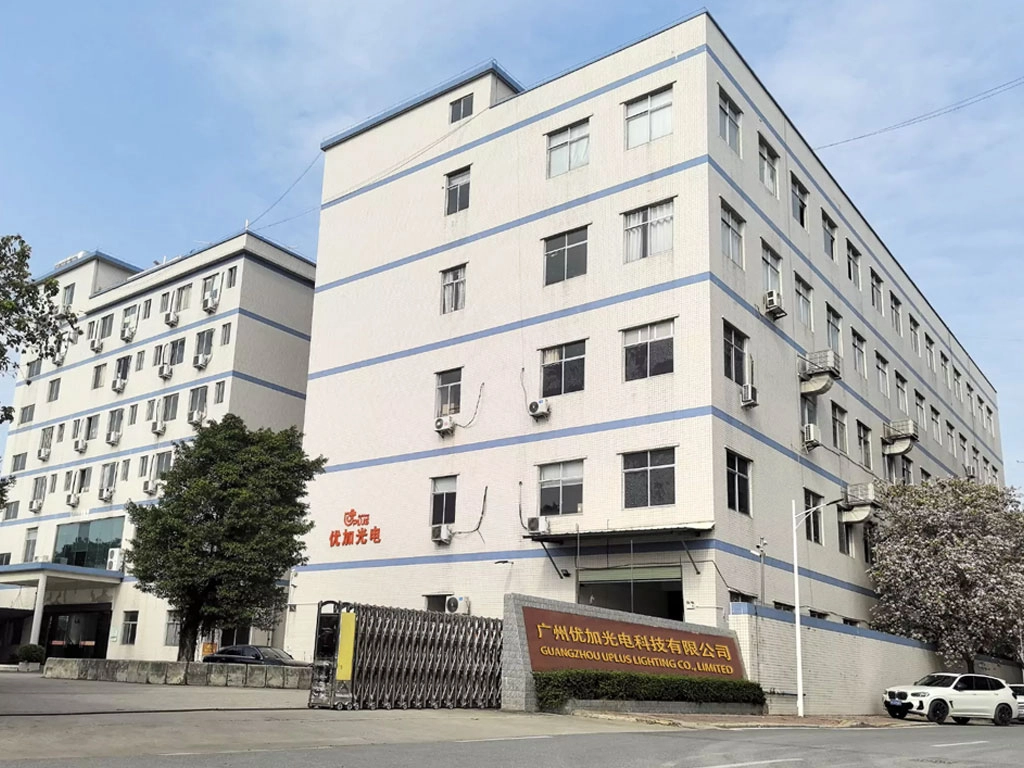
Of course, our company is located at No. 4, Xiaotang Middle Road, Jianggao Town, Baiyun District, Guangzhou, China. Welcome to visit our factory!
IP BEAM 420
Is the oscillation angle adjustment flexible and precise?
360° omnidirectional adjustment with smooth, uninterrupted angle adjustment and precise positioning.
IP-BL300
Will it overheat during prolonged high-intensity use?
It features a built-in professional heat dissipation system, suitable for high-intensity performance scenarios, and is not prone to overheating even after prolonged use, ensuring stability.
IP Blinder 600
Can multiple lights be controlled synchronously for light effects and flicker?
It supports DMX512 or master-slave mode linkage, ensuring consistent parameters and perfect synchronization across multiple lights.
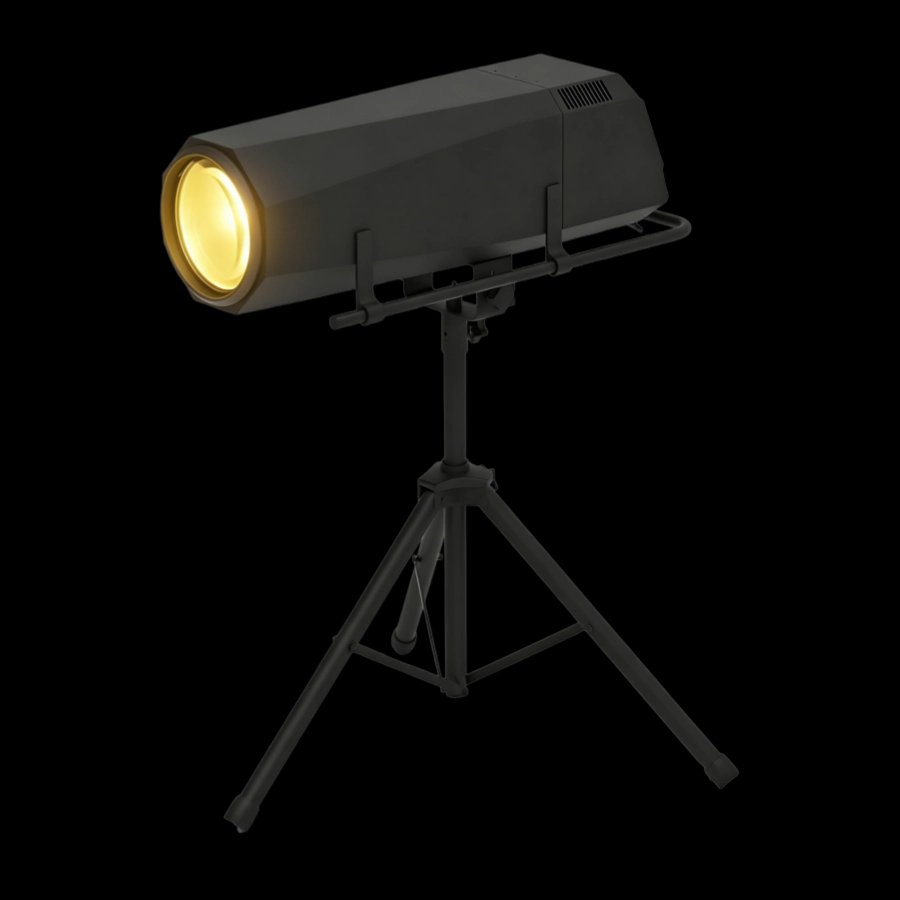
This 1200W waterproof LED follow spotlight with iris adjustment features strong light penetration, precise focusing, and smooth dimming with strobe effects.
Its rain- and dust-resistant design makes it suitable for outdoor performances, concerts, architectural lighting, and other applications. The LED light source boasts a long lifespan and stable, durable operation.
The Waterproof 1200W LED Follow Spot Light with Rotating Gobo features a rotating pattern sheet, delivering a powerful 1200W output for clear, focused beams and precise light tracking. Waterproof for outdoor use in all scenarios, the rotating pattern creates rich visual layers, making it ideal for large-scale indoor and outdoor performances, music festivals, light shows, and other events requiring focused attention and stage effects.
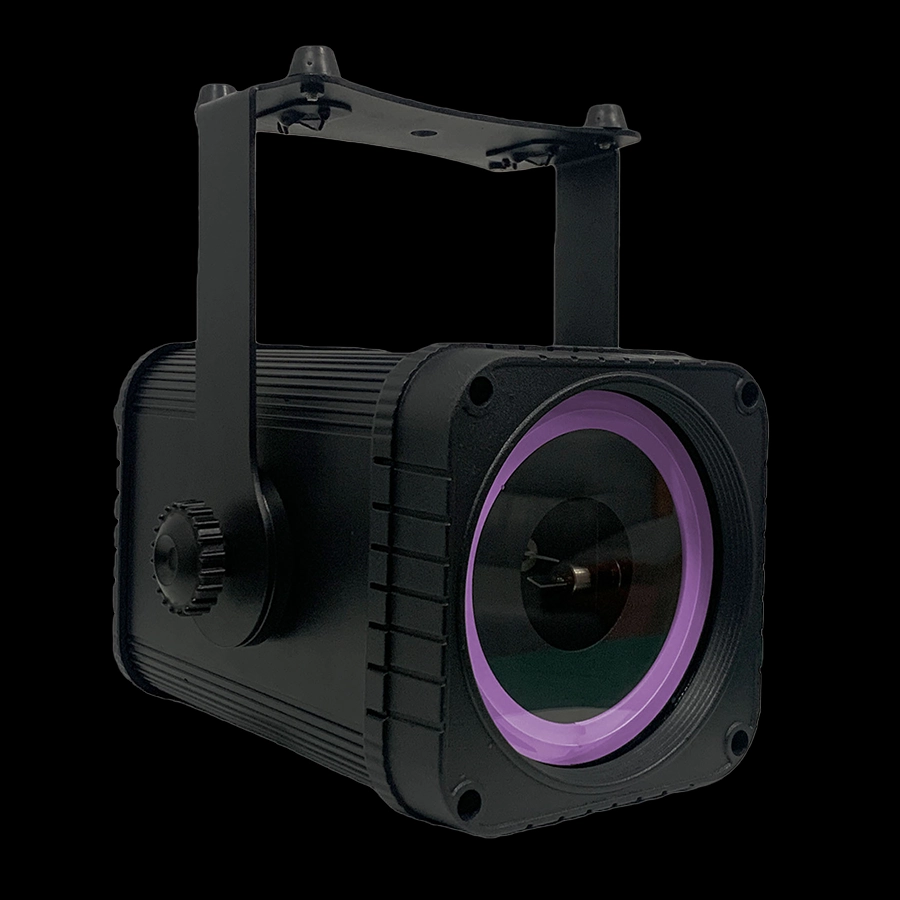
This IP65 waterproof 3W RGB animation laser battery light features an IP65 waterproof and dustproof design, making it suitable for both outdoor and indoor use. It supports rich RGB color combinations and dynamic animation effects, delivering a clear and fluid beam that can display text, patterns, and flowing light and shadow, among other visual representations.
Powered by a built-in battery, it requires no external power source, making it portable, easy to deploy, and simple to operate. Ideal for festive decorations, creating a garden atmosphere, and adding a touch of elegance to small events, it's energy-efficient, durable, and creates a truly immersive ambiance.
This IP65 waterproof 5W RGB animation laser battery light features an IP65 waterproof and dustproof design, making it suitable for both outdoor and indoor use. It supports rich RGB color combinations and dynamic animation effects, delivering a clear and fluid beam that can display text, patterns, and flowing light and shadow, among other visual representations.
Powered by a built-in battery, it requires no external power source, making it portable, easy to deploy, and simple to operate. Ideal for festive decorations, creating a garden atmosphere, and adding a touch of elegance to small events, it's energy-efficient, durable, and creates a truly immersive ambiance.
If you have any comments or good suggestions, please leave us a message, later our professional staff will contact you as soon as possible.
Lighting Innovators
Uplus Lighting is a leading integrated company specializing in R&D, design, production, and sales of stage lighting solutions.
 Scan QR Code
Facebook
Instagram
YouTube
VK