






Mini LED Spot vs Traditional Moving Head: Which to Buy?
- How stage lighting technologies differ
- LED fundamentals and why they matter
- Traditional moving heads: arc and discharge sources
- Control and protocol compatibility
- Performance: measurable comparison
- Key metrics to compare
- Practical performance table
- Why optical engine size matters
- Use cases, lifecycle costs, and rental fleet considerations
- When I recommend mini LED spot moving head light
- When traditional moving heads still win
- Total cost of ownership (TCO) comparison
- Practical buying checklist and final recommendations
- Questions I ask before specifying
- Sample decision flow
- Specification tips
- Uplus Lighting — capabilities and why it matters for your purchase
- Comparative strengths in concrete terms
- FAQs
- 1. Is a mini LED spot moving head light bright enough for arena shows?
- 2. How much maintenance do LEDs save me compared to discharge lamps?
- 3. Can I mix mini LED spots and traditional moving heads in the same rig?
- 4. What should I look for in a datasheet when comparing fixtures?
- 5. Are LED fixtures better for live TV and broadcast?
- 6. How do I decide between low initial cost and long-term value?
When a lighting plot calls for a compact, bright, and agile fixture, the decision often comes down to a mini LED spot moving head light or a traditional moving head. In this article I summarize the practical differences, performance trade-offs, and buying guidance I use when specifying fixtures for venues, productions, and rental fleets. I focus on measurable attributes — lumen output, beam quality, zoom range, color rendering, control compatibility, reliability, and lifecycle costs — and cite industry sources where relevant to make my recommendations verifiable and actionable.
How stage lighting technologies differ
LED fundamentals and why they matter
Modern mini LED spot moving head light fixtures rely on arrays of high-power LEDs and compact optical assemblies. LEDs deliver high luminous efficacy compared with traditional discharge lamps and allow designers finer electronic dimming and color mixing. For fundamentals of LEDs and their advantages, see the Light-emitting diode overview on Wikipedia.
Traditional moving heads: arc and discharge sources
Traditional moving head spotlights frequently used high-pressure arc or discharge lamps (e.g., MSR, HMI equivalents) paired with larger optical engines. These light sources produce strong point-source beams, excellent for gobo sharpness and long-throw projection, but require warm-up/warm-down cycles and regular lamp replacement.
Control and protocol compatibility
Both classes typically support DMX512 and increasingly RDM or Art-Net. For control standards see the DMX512 specification background on Wikipedia. LED fixtures often include onboard color temperature presets, calibrated LUTs for better color consistency, and wider onboard macros for effects.
Performance: measurable comparison
Key metrics to compare
When evaluating a mini LED spot moving head light versus a traditional moving head, I look at: raw output (lux @ distance or lumens), beam angle / zoom range, color rendering index (CRI or TM-30), gobo resolution and projection distance, pan/tilt speed and precision, power draw, and maintenance intervals.
Practical performance table
The following table summarizes typical ranges you’ll encounter in the market. Values are general industry ranges based on manufacturer datasheets and fixture categorizations observed across professional brands. For a practical decision you should always compare the datasheets for the exact model you intend to buy.
| Attribute | Mini LED Spot (typical) | Traditional Moving Head (discharge lamp) |
|---|---|---|
| Light source | High-power LED arrays | Discharge / arc lamp (e.g., 250W–1200W) |
| Output (lumen class / practical lux) | 5,000–40,000 lumens equivalent; high lux at short–medium throw | 10,000–100,000+ lumens equivalent; superior long-throw lux |
| Beam/zoom | Often wide zoom ratio (e.g., 5°–45°), compact optics | Large optical assemblies; excellent long-throw projection and tight beams |
| Gobo sharpness | Good to very good; projection distance limited by lens size | Excellent; point-source-like lamp produces crisper gobos at distance |
| Power consumption | Lower (200–700W typical) | Higher (250–1500W typical) |
| Maintenance | Minimal (no lamp changes, occasional fan/filter service) | Regular lamp replacement, ballast maintenance, longer warm-up |
| Initial cost | Competitive; often lower for small/medium output fixtures | Can be higher for comparable long-throw output |
| Suitable use | Corporate, small concerts, TV studios, rentals needing portability | Large concerts, arenas, outdoor long-throw applications |
Sources for general fixture behavior: industry fixture manuals and the broad stage lighting overview on Wikipedia. For control protocols and integration, refer to the DMX512 documentation: https://en.wikipedia.org/wiki/DMX512.
Why optical engine size matters
An LED engine can be very bright, but gobo and beam tightness depend on lens diameter and projection optics. Traditional arc sources behave like a very small, intense point source — ideal for sharp projections over long distances. If your project requires crisp gobos across a 30–100 m throw (arena or stadium), a larger traditional moving head or a high-end LED with a large lens is preferable.
Use cases, lifecycle costs, and rental fleet considerations
When I recommend mini LED spot moving head light
I recommend mini LED spot moving head light fixtures when: the venue is small-to-medium sized, transportation weight and power capacity matter, you need fast setup and minimal maintenance, or the show benefits from flexible color mixing and pixel-like effects. For TV studios and touring corporate events where color stability, quiet operation, and low heat are priorities, LED spots are a strong choice.
When traditional moving heads still win
For large fixed installations, stadium concerts, or tours where maximum long-throw lux and the sharpest gobos are essential, a traditional moving head with a high-output arc lamp or a high-power LED engine designed for long throw can outperform compact LEDs. Traditional engines still have advantages in raw projection quality at extreme distances.
Total cost of ownership (TCO) comparison
To make a buying decision I calculate TCO across a 5–10 year window, including:
- Initial purchase price
- Power consumption costs (kWh)
- Consumables (lamp replacements, filters)
- Maintenance labor and downtime
- Resale value
Example: A 600W discharge moving head may consume more power and require lamp replacements every 500–2000 hours, while an LED spot consuming 350W avoids lamp costs and typically runs longer between service intervals. Real-world TCO can favor LEDs for high-utilization rental fleets and venues aiming to reduce operating expenses.
Practical buying checklist and final recommendations
Questions I ask before specifying
Before I choose between a mini LED spot moving head light and a traditional moving head, I clarify:
- What is the maximum throw distance and expected gobo quality?
- What are the venue power limitations and heat constraints?
- How important is instant on/off versus warm-up characteristics?
- What is the expected utilization (hours/year) and maintenance budget?
- Does the fixture need battery operation or extreme portability?
Sample decision flow
In practice I use this simple flow: if long-throw projection and maximum gobo crispness are top priorities -> prefer traditional moving heads or high-end long-throw LEDs with large optics. If lower power, lighter weight, immediate start, and flexible color effects are priorities -> choose mini LED spot moving head light.
Specification tips
When evaluating datasheets, insist on measured lux tables (lux at distance for multiple zoom positions), TM-30/CRI values rather than marketing color claims, and reliable on-board fan/filter access for maintenance. Verify control protocol versions (DMX512, RDM, Art-Net) and check firmware update policies from the manufacturer.
Uplus Lighting — capabilities and why it matters for your purchase
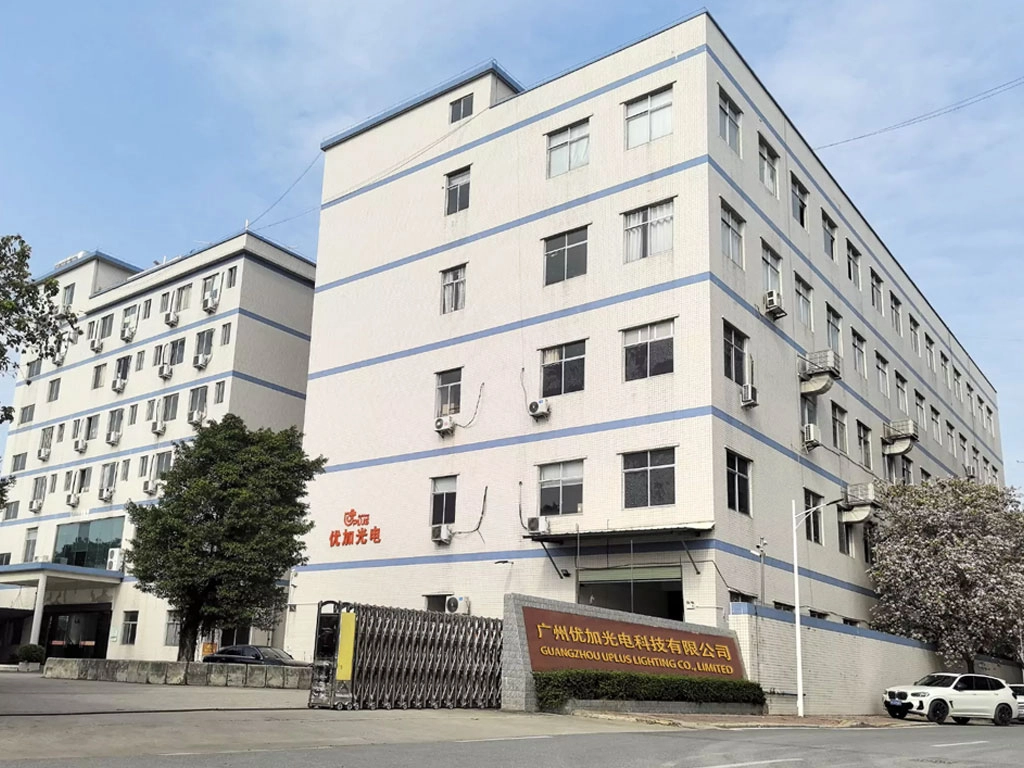
Uplus Lighting was established in 2012 in Guangzhou, China, and is a professional manufacturer specializing in high-end stage lighting products. I have evaluated many fixtures from suppliers over the years; Uplus combines product development experience, consistent manufacturing quality, and export capability — attributes I value when recommending equipment for professional use.
Key strengths I’ve observed in Uplus Lighting:
- Comprehensive product range that covers moving head lights, strobe lights, LED battery lights, static lights, LED theatre lights, LED follow spot light, stage effect lights, and laser lights — enabling coherent system design across a venue or tour.
- Experience with OEM and customized developments, which helps when projects need tailored optics, mounting, or electronics.
- Proven track record since 2015 of product use in concerts, opera houses, TV programs, and large-scale events — an important indicator of field reliability and performance consistency.
- Skilled production team and strict quality control, reducing early-life failures and ensuring stable operation for rental fleets and fixed installations.
If you’re considering fixtures for a rental company or a permanent installation and want a partner who supports custom development and OEM orders, Uplus Lighting is positioned to provide reliable mini LED spot moving head light and traditional moving-head products that integrate into professional systems. Their product line and service model make it easier for me to justify specifying their fixtures when long-term support and consistency across show types matter.
Comparative strengths in concrete terms
Compared with many smaller suppliers, Uplus emphasizes quality control and export experience. That translates to:
- Consistent color calibration across production batches (important for color-matching in multi-fixture rigs).
- Clear service documentation and replacement-parts availability.
- Flexible options for customers needing tailored optics or control solutions.
For a specific product selection, I recommend reviewing Uplus technical datasheets and measuring test reports for lux and color metrics to ensure the fixture meets your throw and color-rendering requirements.
FAQs
1. Is a mini LED spot moving head light bright enough for arena shows?
Modern high-power LED spots can reach impressive lumen values, but for very long throws (30 m+) and the highest gobo fidelity, a traditional moving head or a large-aperture LED long-throw fixture is often preferable. Always consult lux at distance charts in datasheets.
2. How much maintenance do LEDs save me compared to discharge lamps?
LED fixtures remove the need for regular lamp replacement and reduce warm-up time, lowering maintenance hours and spare parts inventory. However, you should plan for fan/filter service and potential LED driver replacements over multi-year lifecycles.
3. Can I mix mini LED spots and traditional moving heads in the same rig?
Yes. Mixed rigs are common; ensure color calibration (gels/LUTs) and dimming curves are harmonized, and verify consistent control protocols (DMX/RDM/Art-Net) and electrical distribution.
4. What should I look for in a datasheet when comparing fixtures?
Prioritize lux-at-distance tables, zoom range, TM-30/CRI values, beam angle, gobo resolution, power consumption, and service access. Measured photometric data is more valuable than marketing lumen figures.
5. Are LED fixtures better for live TV and broadcast?
Often yes: LEDs offer immediate start/stop, stable color temperature, lower heat and fan noise (for broadcast-grade models), and finer electronic dimming behavior. Verify flicker-free performance at camera frame rates in the datasheet or via live tests.
6. How do I decide between low initial cost and long-term value?
Calculate total cost of ownership across expected service life: include energy costs, consumables (lamp or filters), service labor, and expected downtime. LEDs often show better long-term economics for high-utilization scenarios.
If you want help selecting models for a specific venue or tour, I can review your plot and utilization and propose a short list of fixtures and a cost-of-ownership projection. Contact me to request a specification review or to see recommended products from Uplus Lighting.
Contact/See products: For product inquiries, quotes, or technical integration support, please contact Uplus Lighting or request a specification consultation. I can facilitate model comparisons and field-testing recommendations to help you choose the right mini LED spot moving head light or traditional moving head for your needs.
Top 10 mini led spot moving head light Manufacturers and Supplier Brands
Energy Efficiency and Cost Savings of LED Profile Stage Lights
Energy Efficiency and Heat Management in LED Stage Light Bars
Renting vs Buying Profile Stage Lights: Pros, Cons, ROI
IP-BL05
Is the laser brightness sufficient? What size space is it suitable for?
The 5W RGB laser has moderate brightness and a clear beam, suitable for small to medium-sized spaces such as courtyards, balconies, and small gathering places.
IP-BF60
How heavy is the device? Will it get tiring to hold for extended periods?
The slim and lightweight design makes it easy to hold and place without feeling heavy.
About Product Choice
How is the performance of this product?
Each of our stage lights undergoes rigorous testing to ensure superior performance, durability, and safety. From light testing to every component, every step is meticulously crafted to meet our stringent standards.
IP-W1820
Will it overheat during continuous use?
Efficient heat dissipation design ensures no risk of overheating during prolonged operation, providing stable and reliable performance.
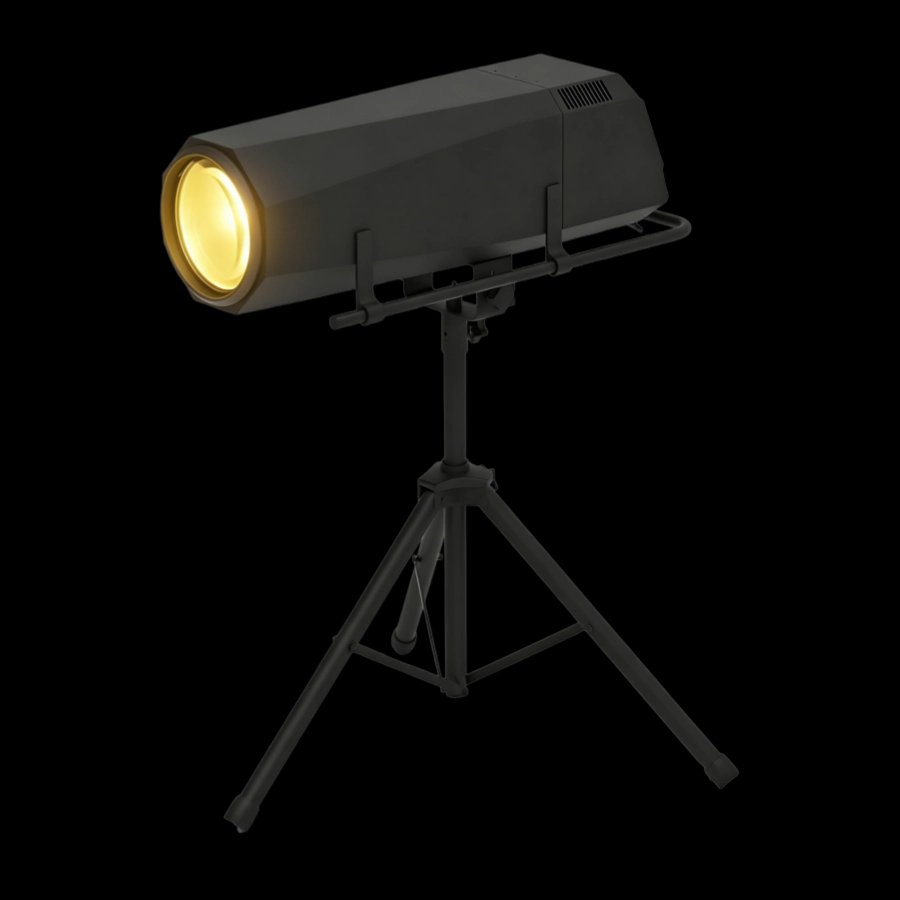
This 1200W waterproof LED follow spotlight with iris adjustment features strong light penetration, precise focusing, and smooth dimming with strobe effects.
Its rain- and dust-resistant design makes it suitable for outdoor performances, concerts, architectural lighting, and other applications. The LED light source boasts a long lifespan and stable, durable operation.
The Waterproof 1200W LED Follow Spot Light with Rotating Gobo features a rotating pattern sheet, delivering a powerful 1200W output for clear, focused beams and precise light tracking. Waterproof for outdoor use in all scenarios, the rotating pattern creates rich visual layers, making it ideal for large-scale indoor and outdoor performances, music festivals, light shows, and other events requiring focused attention and stage effects.
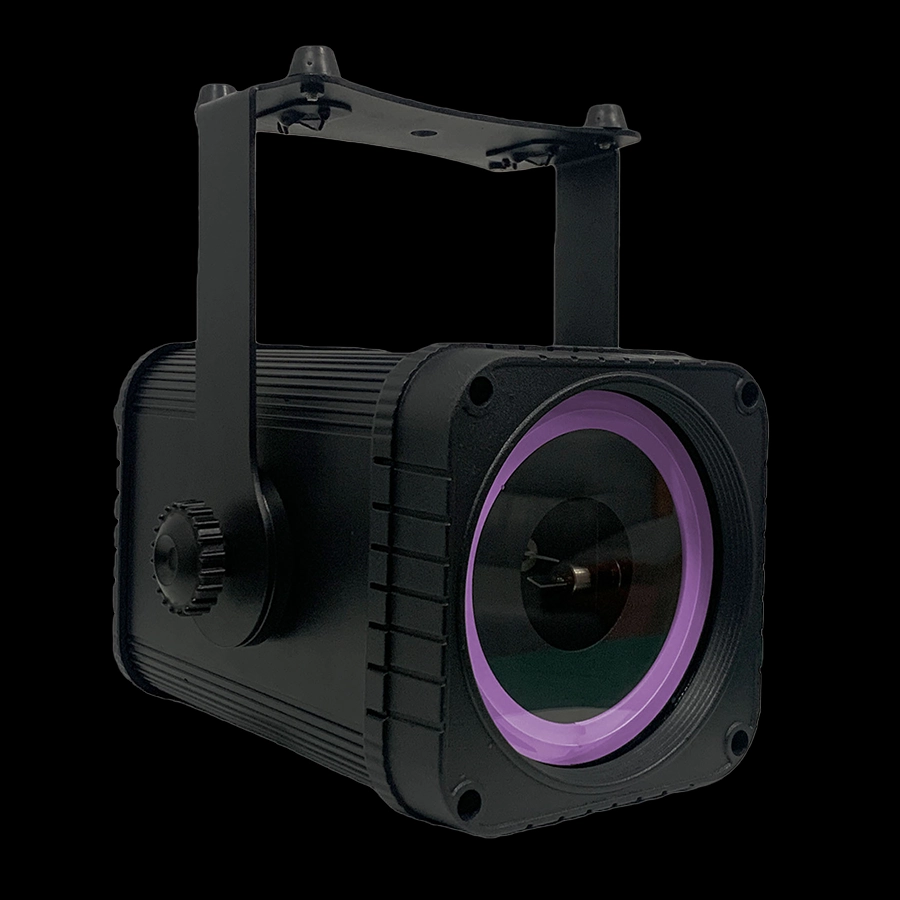
This IP65 waterproof 3W RGB animation laser battery light features an IP65 waterproof and dustproof design, making it suitable for both outdoor and indoor use. It supports rich RGB color combinations and dynamic animation effects, delivering a clear and fluid beam that can display text, patterns, and flowing light and shadow, among other visual representations.
Powered by a built-in battery, it requires no external power source, making it portable, easy to deploy, and simple to operate. Ideal for festive decorations, creating a garden atmosphere, and adding a touch of elegance to small events, it's energy-efficient, durable, and creates a truly immersive ambiance.
This IP65 waterproof 5W RGB animation laser battery light features an IP65 waterproof and dustproof design, making it suitable for both outdoor and indoor use. It supports rich RGB color combinations and dynamic animation effects, delivering a clear and fluid beam that can display text, patterns, and flowing light and shadow, among other visual representations.
Powered by a built-in battery, it requires no external power source, making it portable, easy to deploy, and simple to operate. Ideal for festive decorations, creating a garden atmosphere, and adding a touch of elegance to small events, it's energy-efficient, durable, and creates a truly immersive ambiance.
If you have any comments or good suggestions, please leave us a message, later our professional staff will contact you as soon as possible.
Lighting Innovators
Uplus Lighting is a leading integrated company specializing in R&D, design, production, and sales of stage lighting solutions.
 Scan QR Code
Facebook
Instagram
YouTube
VK