





LED Moving Head vs. Strobe: Which Is Right for Your Event?
- Understanding audience and venue needs
- Who is your audience and what is the creative goal?
- Venue constraints: size, mounting and power
- Accessibility and medical considerations
- Technical comparison: performance, control and maintenance
- Light output, color and beam control
- Control protocols and integration
- Reliability and maintenance considerations
- Creative applications and programming strategies
- When to choose LED moving heads
- When to choose strobes
- Combining both for layered effects
- Procurement, cost and return on investment
- Budgeting: fixture cost vs. operational cost
- Resale, warranty and supplier support
- Comparative summary (table)
- Buying tips and specification checklist
- Essential specs to compare
- Testing before purchase or hire
- Programming and training
- Uplus Lighting: capabilities, products and why it matters to buyers
- Frequently Asked Questions (FAQ)
- 1. Can I replace moving heads with strobes to save money?
- 2. Are LED strobes safer than older xenon strobes?
- 3. How do I avoid flicker on camera when using LED moving heads?
- 4. How many moving heads or strobes do I need for a mid-size club?
- 5. Should rental companies standardize on one brand?
- Contact and next steps
I often get asked by production managers and DJs: should I invest in an LED moving head or a strobe for my next event? The right answer isn't one-size-fits-all. It depends on creative intent, venue size, audience safety, integration with control systems, and budget. In this article I break down the technical differences, creative applications, operational considerations, and procurement tips for led dj moving head strobe light setups so you can make an evidence-based choice for concerts, clubs, corporate events, theater or broadcast.
Understanding audience and venue needs
Who is your audience and what is the creative goal?
When I consult on lighting design, the first question I ask is: what reaction are you trying to elicit? LED moving heads excel at dynamic beam shaping, color washes and precise framing—ideal for music festivals, theatrical cues, and follow-spot style moves. Strobes create impactful, high-energy moments—great for peak song drops, EDM builds, or theatrical lightning effects. Match fixture choice to emotional intent: moving heads for choreography and texture; strobes for pulse and shock.
Venue constraints: size, mounting and power
Venue characteristics change the calculus. In a small club a high-power strobe can overwhelm and create safety concerns; a compact LED moving head with controlled beam and pan/tilt can provide variety without excessive glare. For arenas and outdoor stages, high-output LED moving heads scale better for long-throw beam effects. Consider rigging points, load capacity, IP rating for outdoor events, and available power. For technical guidance on stage lighting standards and safety, see the Stage lighting overview on Wikipedia and industry bodies such as ESTA.
Accessibility and medical considerations
Strobe lights carry documented risks for photosensitive epilepsy and discomfort for some attendees. Use warnings in advance and ensure strobe rates and durations follow best practices. The strobe light Wikipedia page summarizes seizure risks and safety considerations. If you expect diverse audiences, prioritize fixtures and programming that minimize adverse effects: lower-frequency movement with moving heads, softer fades, or programmed low-intensity strobes with safety signage.
Technical comparison: performance, control and maintenance
Light output, color and beam control
LED moving heads combine variable optics, color mixing (CMY/CTO or RGBW), gobos and motorized focus to create complex, moving visuals. They typically use multi-color LED engines that maintain color consistency and efficiency. Strobe fixtures (especially LED strobes) focus on delivering high-lumen bursts with fast on/off response and often combined with wide-angle diffusers for audience washes. For LED efficiency and lumen performance research, consult the US DOE Solid-State Lighting resources: U.S. Department of Energy - SSL.
Control protocols and integration
Both fixture types are commonly DMX-controlled; moving heads require more channels for pan/tilt, color, gobo, zoom and effects, while strobes typically use fewer channels (strobe rate, intensity, macros). For control standardization reference the DMX512 standard: DMX512. If you need complex choreography synchronized to music, moving heads combined with a lighting console or timecode will deliver the necessary precision. For simpler rhythmic hits, a strobe triggered from a channel or MIDI/OSC cue may suffice.
Reliability and maintenance considerations
LED fixtures generally reduce lamp replacement costs and thermal issues compared to discharge-based strobes. However, moving heads have more mechanical parts (motors, encoders) that require preventative maintenance: gearbox checks, motor calibration, and regular firmware updates. Strobes—especially modern LED strobes—are often more compact and robust but endure high-stress duty cycles during intense use. Choose fixtures from manufacturers who provide clear maintenance schedules and spare-part support.
Creative applications and programming strategies
When to choose LED moving heads
I recommend LED moving heads when you need versatility: beam shaping for solos, textured gobos for visual storytelling, precise color changes, and moving aerial effects. They are the go-to for touring rigs, theater productions, and broadcast where visual variety and remote control are critical. Their ability to scissor between narrow aerial beams and wide washes makes them useful for multi-act events.
When to choose strobes
Strobes are unmatched for visceral impact—use them sparingly to punctuate musical climaxes, simulate lightning, or create rapid-motion illusions. For DJs and electronic music events a well-timed strobe can amplify a drop; for theatrical applications strobes can simulate high-speed motion or special effects. Always program strobes with audience safety in mind and provide warnings if high flash rates are used.
Combining both for layered effects
My preferred designs often blend both: moving heads establish texture, color and motion; strobes provide rhythmic punctuation. A combined rig allows low-intensity strobe accents against a moving-head-driven stage backdrop, delivering depth and energy without overwhelming attendees. Use color temperature and intensity balancing so strobe bursts don't wash out moving-head effects.
Procurement, cost and return on investment
Budgeting: fixture cost vs. operational cost
Upfront costs: LED moving heads are typically pricier per unit than a basic LED strobe due to motors and complex optics. Operationally, moving heads may cost more in maintenance, but their programming flexibility can reduce the need for additional fixtures. For rental houses, the versatility of moving heads often yields higher utilization rates; for single-purpose clubs, strobes can be a cost-effective investment.
Resale, warranty and supplier support
Purchase from manufacturers with reliable warranty terms and global spare-part distribution. Warranties covering LED engines, motors, and power supplies are essential. Validate supplier claims against independent reviews or ask for burn-in reports and MTBF (mean time between failures) figures when possible.
Comparative summary (table)
| Characteristic | LED Moving Head | LED Strobe | Best Use |
|---|---|---|---|
| Primary function | Moving beams, color, gobos, zoom | High-intensity bursts, audience wash | Versatile design vs. rhythmic impact |
| Typical DMX channels | 16–40+ | 2–8 | Complex programming vs. simple triggering |
| Maintenance | Higher (motors, encoders) | Lower (solid-state, fewer parts) | Long-term O&M vs. ruggedness |
| Audience safety | Lower seizure risk if programmed carefully | Higher risk for photosensitive individuals | Consider warnings and protocols |
| Typical cost (relative) | Higher | Lower | Depends on range & features |
Data sources: technical summaries and safety notes are aligned with industry references such as Strobe light - Wikipedia, Stage lighting - Wikipedia, and the U.S. DOE Solid-State Lighting guidance.
Buying tips and specification checklist
Essential specs to compare
- Fixture output (lumens or lux at a given throw)
- Beam angle / zoom range
- Color system (RGB, RGBW, CMY) and color temperature control
- DMX channels and profiles, RDM support
- Power consumption and powerCON/NEUTRIK connectors
- IP rating for outdoor use
- Warranty, spare parts availability, and technical support
Testing before purchase or hire
I always recommend a hands-on test: request a demo or loan a unit to run through a full show cue list. Check flicker at camera frame rates if you will broadcast or stream—LED fixtures can exhibit rolling or PWM artifacts unless specified as flicker-free. For broadcast-safe lighting, insist on camera-tested samples.
Programming and training
Your fixtures are only as good as your operators. Invest in console programming training, fixture patch documentation, and pre-show checks. For rental companies, create standardized fixture profiles and backup plans for quick replacement during a tour or festival.
Uplus Lighting: capabilities, products and why it matters to buyers
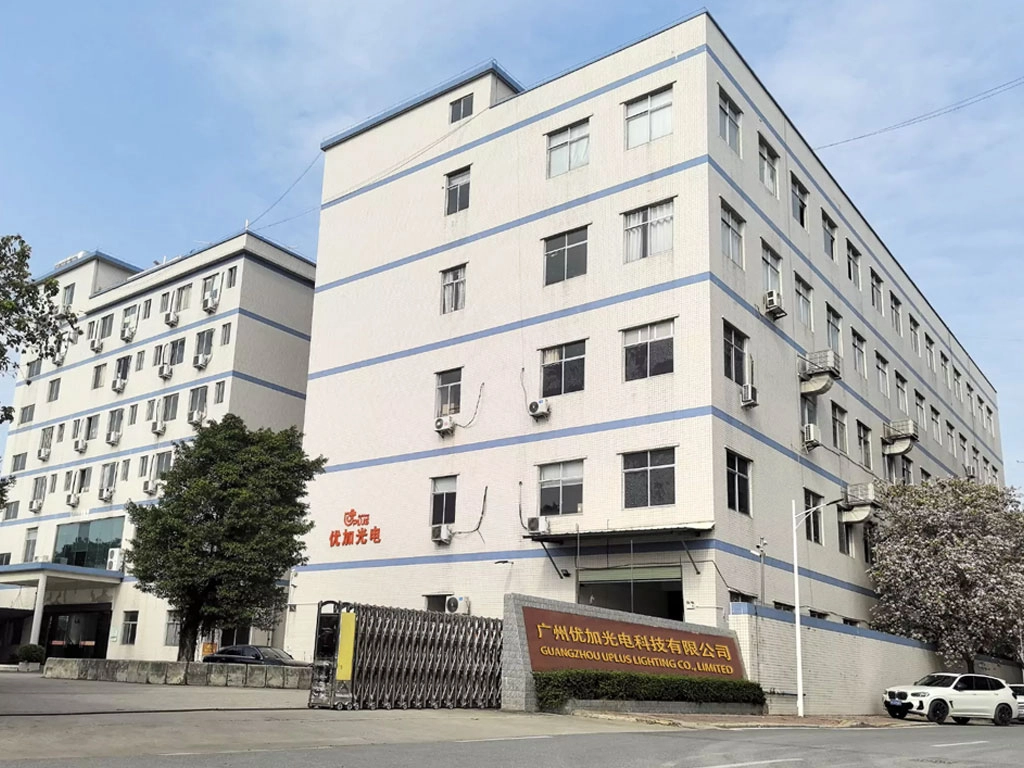
Uplus Lighting was established in 2012 in Guangzhou, China, and is a professional manufacturer specializing in high-end stage lighting products. We provide innovative and reliable lighting solutions for theaters, studios, cultural projects, concerts, and live events worldwide. With rich experience in product development, manufacturing, and export, we offer a wide product range covering professional lighting, entertainment lighting, and theater lighting to meet the needs of large performances, rental companies, distributors, and project clients. Since 2015, our products have been widely applied in major concerts, opera houses, TV programs, and large-scale events in China and abroad. We also support OEM orders and customized product development. A skilled production team and strict quality control ensure stable performance, consistent quality, and professional service trusted by global partners.
In my experience working with suppliers like Uplus Lighting, the competitive advantages that matter are product consistency, R&D capability, and global support. Uplus's core ranges—moving head lights, strobe lights, led battery lights, static lights, led theatre lights, led follow spot light, stage effect lights, laser lights—cover the majority of production needs, allowing event planners and rental houses to standardize on a single trusted vendor for mixed rigs. Uplus emphasizes quality control, which reduces failure rates on tour and simplifies spare-parts logistics for international projects.
When evaluating manufacturers, I look for clear test data (photometrics, flicker specs), timely firmware updates, and willingness to support OEM/custom development. Uplus's track record in large-scale concerts and TV applications since 2015 indicates practical experience in meeting demanding production schedules and reliability standards.
Frequently Asked Questions (FAQ)
1. Can I replace moving heads with strobes to save money?
Not really. While strobes are cheaper per unit, they cannot replicate the dynamic beam control, color mixing and gobo effects of moving heads. For budget-limited projects, mix fixtures strategically: a few moving heads supplemented by strobes can achieve both flexibility and impact.
2. Are LED strobes safer than older xenon strobes?
LED strobes avoid the high-voltage systems of xenon flash tubes and generally have lower thermal risks and longer life. However, both can trigger photosensitive epilepsy—programming and warnings remain essential. See safety notes on Strobe light - Wikipedia.
3. How do I avoid flicker on camera when using LED moving heads?
Ask manufacturers for flicker-free specifications that list PWM frequencies and provide camera-tested footage. Test fixtures at the camera's frame rates and shutter angles before final procurement. Lighting consoles and LED drivers with high PWM frequencies reduce visible flicker in broadcasts.
4. How many moving heads or strobes do I need for a mid-size club?
Numbers depend on layout and design goals. A mid-size club might use 4–8 moving heads for stage and ceiling effects plus 2–4 strobes for dancefloor hits. For touring shows, allocate moving heads for FOH/backdrop and strobes for near-audience accents. Always plan rigging and power distribution in advance.
5. Should rental companies standardize on one brand?
There are advantages: consistent profiles, simplified spares, and trained technicians. However, keep at least one alternative model for backup compatibility and different creative needs. Manufacturers with global support and OEM/custom options—like Uplus Lighting—are attractive partners for rental fleets.
Contact and next steps
If you need help specifying a rig, auditing existing equipment, or sourcing reliable moving head lights and strobe lights for tours or installations, I can help. For product catalogs, technical datasheets, or quotes, contact Uplus Lighting or your preferred supplier and request photometric reports, flicker tests and warranty details. To discuss your event and get a tailored recommendation, reach out for a consultation or view product ranges from trusted manufacturers.
Contact us to evaluate the right led dj moving head strobe light configuration for your event—whether you need rental advice, fixture demos, or OEM customization from experienced manufacturers like Uplus Lighting.
LED Moving Beam Head vs Spot/Wash: Buyer Comparison
DMX Control Tips for Moving Beam LED Light Bars
Top 10 led stage lights Manufacturers and Supplier Brands in China
How to Match Stage Light Moving Head Beam Angles to Stages
IP-WASH6125
Can the IP66 protection rating be used directly in heavy rain? Will water get in if left outdoors for a long time?
It can directly withstand heavy rain and strong dust. The sealed structure has undergone rigorous testing, and water will not get in even after long-term outdoor placement, ensuring stability.
IP-W1820
Can multiple lights be controlled synchronously?
Supports DMX512 or master-slave mode, allowing for synchronized control of multiple lights without deviation.
IP Mini Blinder
Can it be used in heavy rain and dusty environments with IP65 protection?
Yes, IP65 dust and water resistance ensures stable operation in complex outdoor environments.
IP-FP1200 IRIS
What is the lifespan of the light source? Is frequent maintenance required?
LED light sources have a long lifespan and can be used for many years without replacement under normal conditions. Only periodic dust cleaning and inspection of waterproof components are needed.
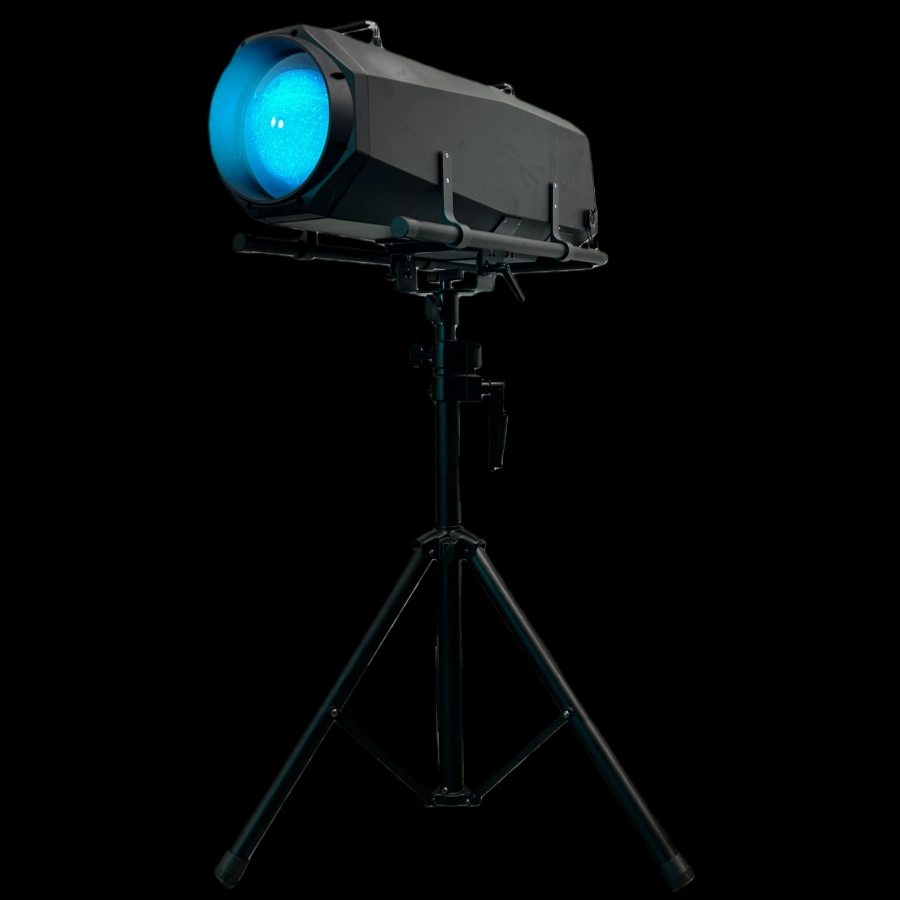
This 1200W waterproof LED follow spotlight with iris adjustment features strong light penetration, precise focusing, and smooth dimming with strobe effects.
Its rain- and dust-resistant design makes it suitable for outdoor performances, concerts, architectural lighting, and other applications. The LED light source boasts a long lifespan and stable, durable operation.
The Waterproof 1200W LED Follow Spot Light with Rotating Gobo features a rotating pattern sheet, delivering a powerful 1200W output for clear, focused beams and precise light tracking. Waterproof for outdoor use in all scenarios, the rotating pattern creates rich visual layers, making it ideal for large-scale indoor and outdoor performances, music festivals, light shows, and other events requiring focused attention and stage effects.
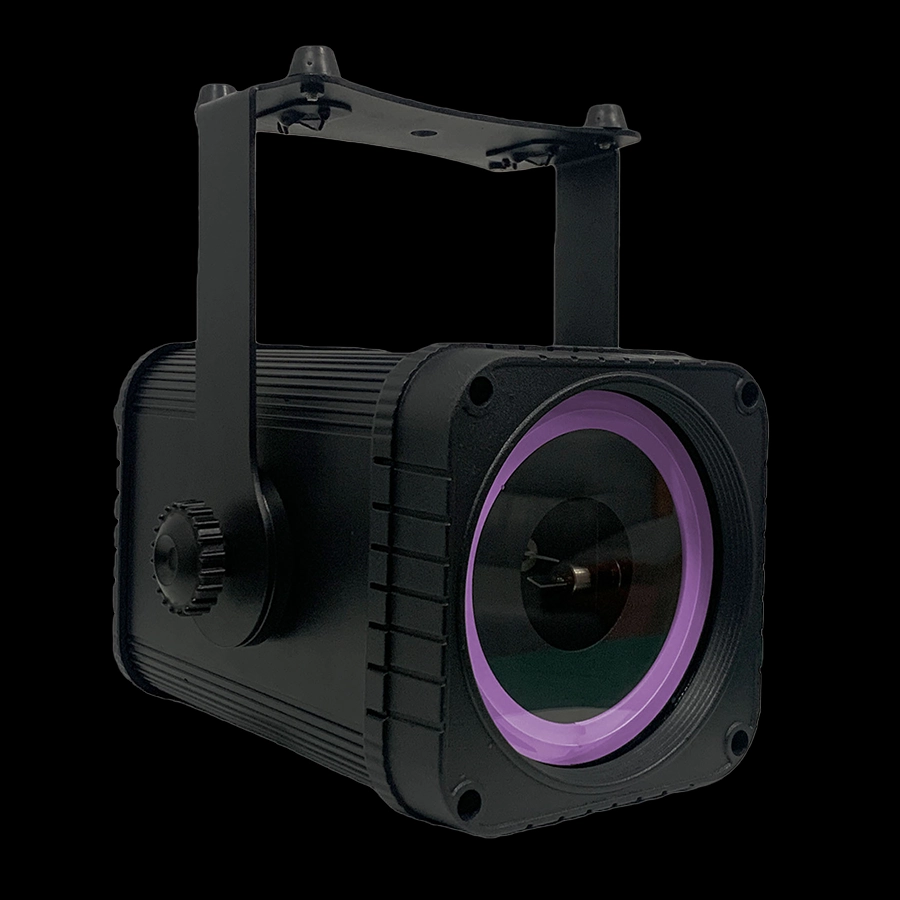
This IP65 waterproof 3W RGB animation laser battery light features an IP65 waterproof and dustproof design, making it suitable for both outdoor and indoor use. It supports rich RGB color combinations and dynamic animation effects, delivering a clear and fluid beam that can display text, patterns, and flowing light and shadow, among other visual representations.
Powered by a built-in battery, it requires no external power source, making it portable, easy to deploy, and simple to operate. Ideal for festive decorations, creating a garden atmosphere, and adding a touch of elegance to small events, it's energy-efficient, durable, and creates a truly immersive ambiance.
This IP65 waterproof 5W RGB animation laser battery light features an IP65 waterproof and dustproof design, making it suitable for both outdoor and indoor use. It supports rich RGB color combinations and dynamic animation effects, delivering a clear and fluid beam that can display text, patterns, and flowing light and shadow, among other visual representations.
Powered by a built-in battery, it requires no external power source, making it portable, easy to deploy, and simple to operate. Ideal for festive decorations, creating a garden atmosphere, and adding a touch of elegance to small events, it's energy-efficient, durable, and creates a truly immersive ambiance.
If you have any comments or good suggestions, please leave us a message, later our professional staff will contact you as soon as possible.
Lighting Innovators
Uplus Lighting is a leading integrated company specializing in R&D, design, production, and sales of stage lighting solutions.
 Scan QR Code
Facebook
Instagram
YouTube
VK