






LED Moving Beam Head vs Spot/Wash: Buyer Comparison
- How lighting roles differ: beam, spot and wash explained
- Defining the three roles
- Why the distinction matters to buyers
- Standards and control systems
- Performance comparison: optical, electrical and mechanical factors
- Optical characteristics and visual effect
- Electrical efficiency and light output
- Mechanical features and durability
- Practical considerations for buyers
- Use case and venue size
- Control complexity and operator skill
- Running costs and maintenance
- Side-by-side technical comparison (quick reference)
- How to compare specifications practically
- Common buyer mistakes and how to avoid them
- Choosing and sourcing: recommended workflow and supplier criteria
- Step-by-step buying workflow
- Supplier evaluation checklist
- Why choose Uplus Lighting for led moving beam head stage light needs
- Technical support and customization
- FAQ
- 1. What is the main difference between a led moving beam head stage light and a spot or wash head?
- 2. How do I decide how many moving beam heads I need for a concert?
- 3. Are LED moving beam heads good for outdoor events?
- 4. What control protocol should I expect on modern moving heads?
- 5. How long do LED moving heads typically last and what maintenance is required?
- 6. Can one fixture act as both beam and spot?
- Contact and next steps
I write this guide to help event producers, rental companies, theatre technicians and lighting designers evaluate led moving beam head stage light fixtures against spot and wash alternatives. I combine hands-on experience, industry references and technical standards to explain how each fixture type performs in different venues and workflows, so you can make an evidence-based purchasing decision that balances visual impact, reliability and total cost of ownership.
How lighting roles differ: beam, spot and wash explained
Defining the three roles
In practical stage lighting, fixtures fall into three functional categories: beam (narrow, high-contrast shafts), spot (sharply focused, often gobo-capable), and wash (broad, even field of light). A led moving beam head stage light is optimized for producing intense, skinny beams with strong projection. Spot heads prioritize crisp image projection and shaping (gobos, framing), while wash heads prioritize color mixing and uniform coverage over an area.
Why the distinction matters to buyers
Choosing between beam, spot and wash affects rigging weight, power requirements, DMX channel allocation, and creative flexibility. For example, a touring pop concert leans heavily on moving beam heads for aerial effects, while a theatre production will prioritize spot and follow spot fixtures to shape performers and project gobos.
Standards and control systems
Most modern moving fixtures use LED engines and accept DMX512 or sACN for control; DMX512 remains the industry standard for lighting control protocols (DMX512 - Wikipedia). Understanding control channels is essential because a complex led moving beam head stage light may command dozens of channels for pan/tilt, iris, gobos, prisms and color mixing.
Performance comparison: optical, electrical and mechanical factors
Optical characteristics and visual effect
Beam fixtures typically have very narrow beam angles (often 1.5°–4°) and long throw distances, creating visible shafts in haze. Spot fixtures have variable zooms (e.g., 5°–40°) for tight to medium beams and support precise gobo projection and framing. Wash fixtures produce wide beams (typically 20°–60°) and prioritize even color mixing. For LED fixtures, spectral quality (CRI/TLCI) and color mixing architecture (RGBW, RGBA, CMY) determine color fidelity.
Electrical efficiency and light output
LED moving heads are more energy-efficient than legacy discharge lamps and allow instant on/off patterns. However, lumen figures vary: moving beam heads focus output into a narrow cone (high candela, lower lumen footprint across an area), while wash fixtures deliver higher lumens across a broader area. For venue planning, lux charts or photometric files (.ldt/.ies) from manufacturers should guide fixture count—see Illuminating Engineering Society resources for recommended lighting levels (IES - Illuminating Engineering Society).
Mechanical features and durability
Quality moving heads include reliable pan/tilt motors, high-quality bearings, and sealed optical paths to reduce dust ingress—critical for tour durability. Look for IP ratings if fixtures are used outdoors. Manufacturers with ISO 9001-compliant processes typically demonstrate stronger production controls (ISO 9001 - ISO).
Practical considerations for buyers
Use case and venue size
Ask: are you lighting arena concerts, club shows, corporate events, houses of worship, or theatres? For long-throw aerial effects in large venues, led moving beam head stage light units are indispensable. For theatrical work requiring clean edge control and gobo imagery, spot fixtures or hybrid spot/beam heads are better. For stage color wash and soft coverage, choose wash fixtures with even field and high CRI.
Control complexity and operator skill
Combining fixture types increases programming complexity. Beam heads often add prisms, shutters, fast strobe and variable frost, requiring more DMX channels and operator familiarity. If your operators are limited, consider simpler fixtures or predefined scenes. Also verify compatibility with your console and whether fixtures support RDM for remote configuration.
Running costs and maintenance
LED engines reduce lamp replacement costs but add complexity in thermal management and electronics. Check MTBF (mean time between failures), warranty, and serviceability. For touring, modular designs with field-replaceable parts are preferable. For installations, verify long-term availability of spares and firmware updates from your supplier.
Side-by-side technical comparison (quick reference)
| Parameter | Moving Beam Head | Spot Head | Wash Head |
|---|---|---|---|
| Typical Beam Angle | 1.5°–6° (narrow shafts) | 5°–40° (zoomable) | 20°–60° (wide, even) |
| Primary Use | Aerial effects, long-throw shafts | Image projection, framing, specials | Color washing, general coverage |
| Gobos/Framing | Often limited or slot for fixed gobo | Extensive gobo/animation/framing options | Usually none or simple textures |
| Color Mixing | RGBW/RGBA/CMY; vivid colors | CMY/CTO/RGBW for accurate color | RGB/RGBW with homogenizer for smooth wash |
| Typical Power Draw | 300–1200 W depending on size | 200–1000 W | 100–800 W |
| Control Channels | 16–60+ channels | 12–40 channels | 6–30 channels |
| Price Range (street) | Mid to high (depending on optics and effects) | Mid to high | Low to mid |
Notes: ranges above are representative—always consult manufacturer photometrics and datasheets for exact figures. For technical background on moving lights, see Moving light - Wikipedia and for LED technology basics, see LED - Wikipedia.
How to compare specifications practically
Request photometric files (.ies/.ldt) from vendors and run a simple lux/beam simulation for your venue. I typically model a few candidate fixtures in a lighting design tool (e.g., WYSIWYG, Capture) to confirm how many units are needed and where to place them. Photometric data lets you translate beam angles and candela to on-stage lux for a given throw.
Common buyer mistakes and how to avoid them
Buyers often choose fixtures based on lumen numbers alone—this is misleading for moving heads because beam intensity (candela) and beam divergence determine perceived brightness. Another frequent error is underspecifying control infrastructure (insufficient DMX universes, lack of network backbone). Plan for cable runs, data redundancy and IP considerations if outdoors.
Choosing and sourcing: recommended workflow and supplier criteria
Step-by-step buying workflow
- Define applications (concerts, theatre, install) and desired visual effects.
- Create a budget including fixtures, trussing, power, and control systems.
- Shortlist fixtures and request photometrics, DMX charts and service manuals.
- Prototype on-site where possible or run a software mock-up using photometrics.
- Evaluate supplier support, warranty, and spare parts availability.
Supplier evaluation checklist
When selecting a manufacturer or distributor, I check: production process standards (e.g., ISO 9001), references from similar projects, sample reports of MTBF, availability of OEM/customization support, and clear firmware/update policies. For authoritative assurance on manufacturing quality frameworks, see the ISO quality standard summary (ISO 9001).
Why choose Uplus Lighting for led moving beam head stage light needs
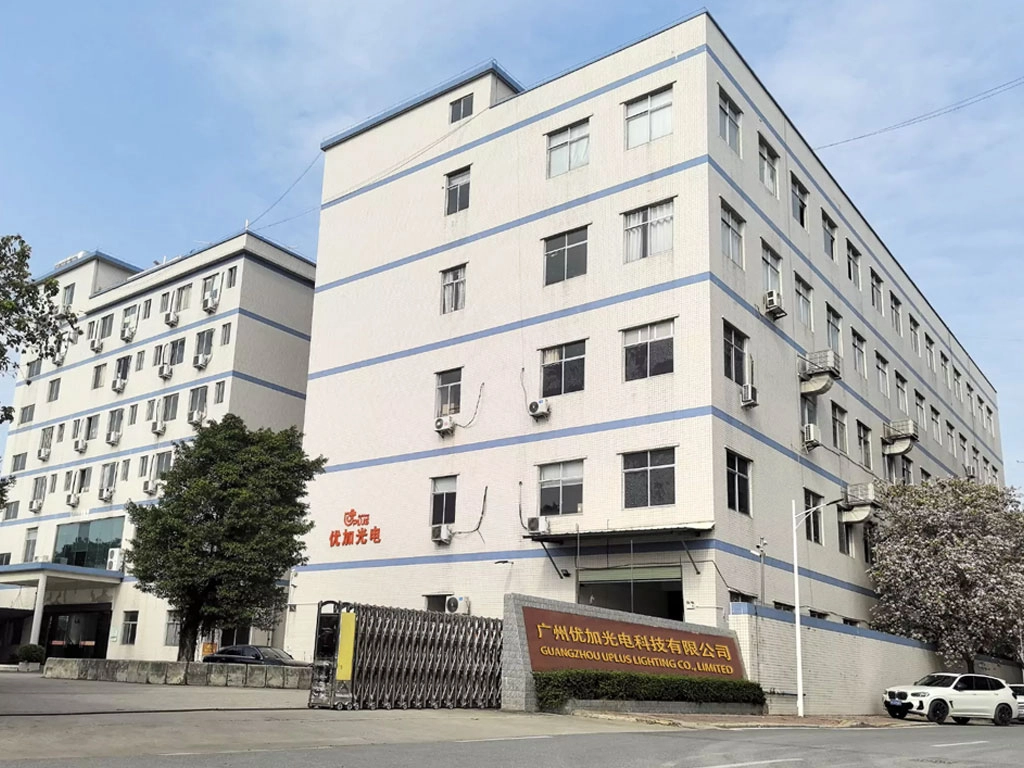
Uplus Lighting was established in 2012 in Guangzhou, China, and is a professional manufacturer specializing in high-end stage lighting products. We provide innovative and reliable lighting solutions for theaters, studios, cultural projects, concerts, and live events worldwide. With rich experience in product development, manufacturing, and export, we offer a wide product range covering professional lighting, entertainment lighting, and theater lighting to meet the needs of large performances, rental companies, distributors, and project clients. Since 2015, our products have been widely applied in major concerts, opera houses, TV programs, and large-scale events in China and abroad. We also support OEM orders and customized product development. A skilled production team and strict quality control ensure stable performance, consistent quality, and professional service trusted by global partners.
Our main products include moving head lights, strobe lights, led battery lights, static lights, led theatre lights, led follow spot light, stage effect lights, and laser lights. Uplus Lighting differentiates itself through:
- Focused R&D on optical engines and thermal management for long MTBF in led moving beam head stage light fixtures.
- Full manufacturing capability with strict QC and the ability to deliver OEM/custom solutions.
- Proven track record in high-profile events and export experience ensuring compliance with international standards.
Technical support and customization
I recommend discussing firmware control options, DMX channel maps, and service level agreements with your supplier before purchase. Uplus Lighting supports OEM and customization, which helps match fixtures to specific show control environments and venue constraints.
FAQ
1. What is the main difference between a led moving beam head stage light and a spot or wash head?
A led moving beam head stage light produces narrow, high-intensity beams for aerial effects and long throws. Spot heads are optimized for image projection and beam shaping (gobos/framing), while wash heads provide broad, even color coverage.
2. How do I decide how many moving beam heads I need for a concert?
Use photometric files to simulate beam coverage and intensity. Consider stage size, audience distance, haze density, and desired visual density of beams. As a rule of thumb, for arena-style aerial beams you might use 8–20 beam heads depending on production scale, but simulation is essential.
3. Are LED moving beam heads good for outdoor events?
Yes, provided the fixtures have appropriate IP protection and cooling for outdoor use. Verify IP rating, operating temperature range, and ensure power/dimming profiles are matched to venue supply.
4. What control protocol should I expect on modern moving heads?
Most fixtures support DMX512 and increasingly sACN or Art-Net for networked control. RDM is useful for remote configuration. Confirm the control protocol and channel map with the vendor.
5. How long do LED moving heads typically last and what maintenance is required?
LED engines often have tens of thousands of hours (depending on binning and thermal design). Maintenance focuses on cleaning optics, checking fans and heat-sinking, and replacing worn mechanical parts. Ask manufacturers for MTBF figures and service manuals.
6. Can one fixture act as both beam and spot?
There are hybrid fixtures marketed as spot/beam or beam/spot with variable zoom ranges and interchangeable optics. They can offer flexibility but may compromise on the extreme narrowness of dedicated beam heads or the optical purity of dedicated spots.
Contact and next steps
If you want tailored advice for a project, photometric modeling, or to sample our led moving beam head stage light range, please contact Uplus Lighting. Our team can provide datasheets, IES files, and support on OEM/custom options to ensure fixtures meet your creative and technical requirements.
Contact Uplus Lighting: For product inquiries, custom OEM requests or technical support, reach out via our sales channels to request datasheets and photometric files. Let us help you select the right mix of moving beams, spots and washes for your next show.
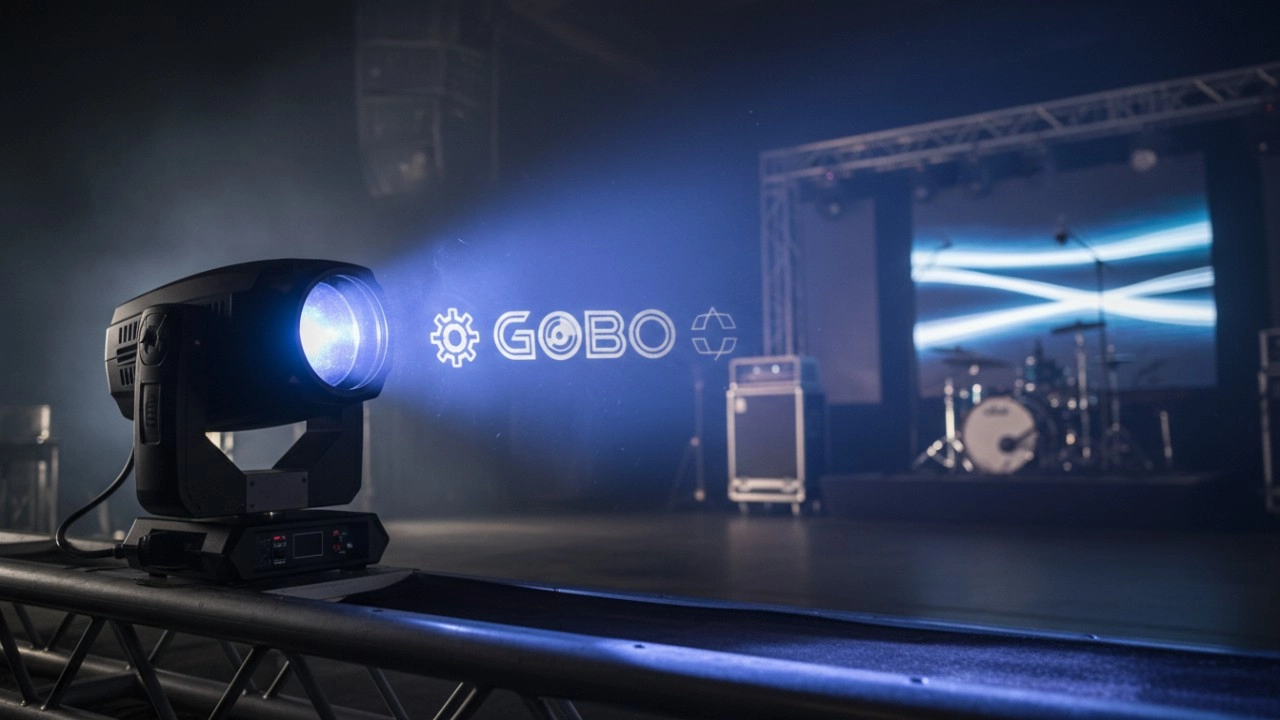
The 2026 Ultimate Guide to Gobo Moving Head Lights: Mastering Stage Projections
LED vs Halogen Profile Stage Lights: Performance & Cost
How to Match Stage Light Moving Head Beam Angles to Stages
Best Moving Head Lights 2026: Buyer's Guide for Stage Pros
IP-PZ3740
Can the lighting effects and movements of multiple lights be kept consistent when controlled synchronously?
It supports DMX512 or master-slave mode linkage. Parameters are set uniformly, ensuring synchronized operation across multiple lights without deviation.
Can IP66 protection be used long-term in salt spray and dusty environments near the sea?
It can withstand heavy rain, strong dust, and light salt spray. It is stable in complex outdoor environments for long-term use and requires no additional protection.
IP-BL300
What is the range of head-tilt angles? Is it flexible to operate?
The head-tilt angle coverage is wide, supporting flexible horizontal and vertical multi-angle scanning. With a professional controller, operation is precise and convenient, allowing for quick switching of dynamic effects.
IP-MH6200 2in1
What size venue is it suitable for? Can it be used for small events?
It is suitable for various venues, from small to medium-sized stages to large plazas. It supports brightness adjustment, allowing for precise adaptation even for small events.
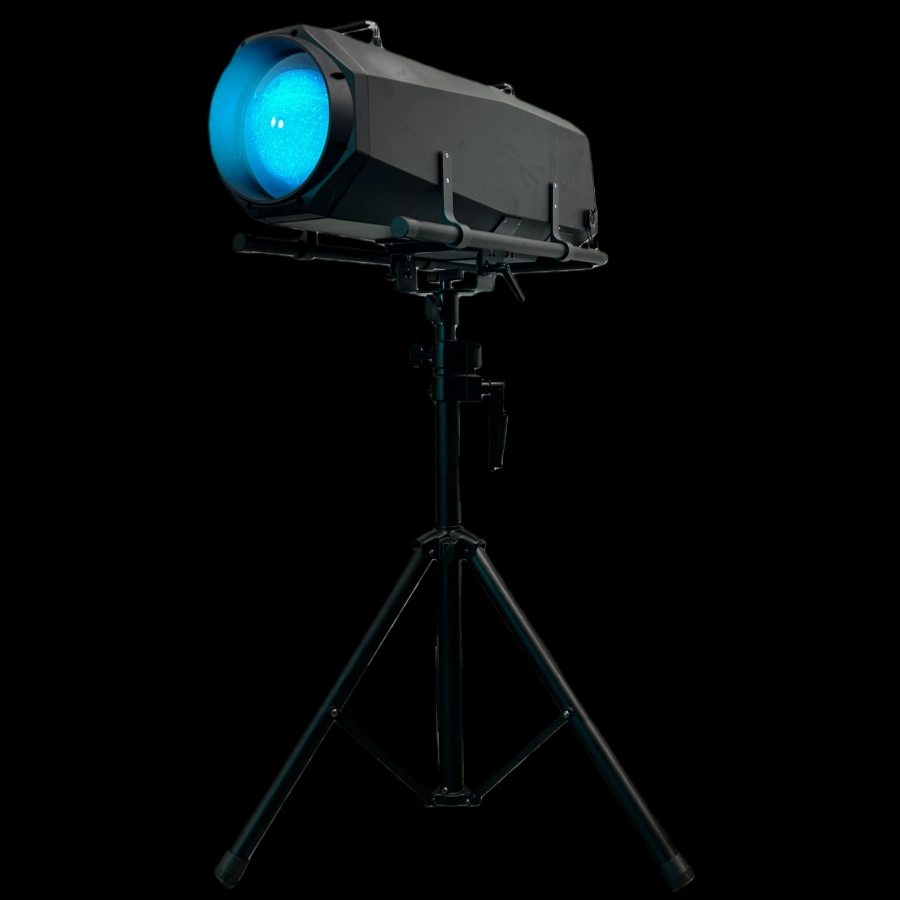
This 1200W waterproof LED follow spotlight with iris adjustment features strong light penetration, precise focusing, and smooth dimming with strobe effects.
Its rain- and dust-resistant design makes it suitable for outdoor performances, concerts, architectural lighting, and other applications. The LED light source boasts a long lifespan and stable, durable operation.
The Waterproof 1200W LED Follow Spot Light with Rotating Gobo features a rotating pattern sheet, delivering a powerful 1200W output for clear, focused beams and precise light tracking. Waterproof for outdoor use in all scenarios, the rotating pattern creates rich visual layers, making it ideal for large-scale indoor and outdoor performances, music festivals, light shows, and other events requiring focused attention and stage effects.
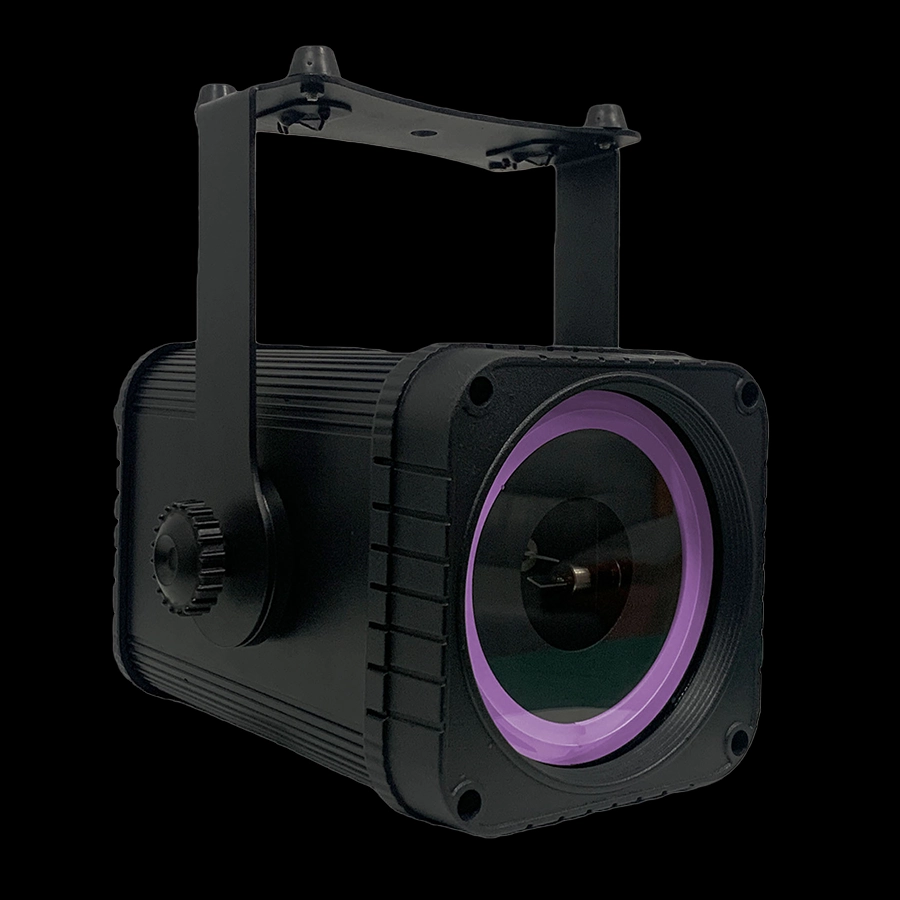
This IP65 waterproof 3W RGB animation laser battery light features an IP65 waterproof and dustproof design, making it suitable for both outdoor and indoor use. It supports rich RGB color combinations and dynamic animation effects, delivering a clear and fluid beam that can display text, patterns, and flowing light and shadow, among other visual representations.
Powered by a built-in battery, it requires no external power source, making it portable, easy to deploy, and simple to operate. Ideal for festive decorations, creating a garden atmosphere, and adding a touch of elegance to small events, it's energy-efficient, durable, and creates a truly immersive ambiance.
This IP65 waterproof 5W RGB animation laser battery light features an IP65 waterproof and dustproof design, making it suitable for both outdoor and indoor use. It supports rich RGB color combinations and dynamic animation effects, delivering a clear and fluid beam that can display text, patterns, and flowing light and shadow, among other visual representations.
Powered by a built-in battery, it requires no external power source, making it portable, easy to deploy, and simple to operate. Ideal for festive decorations, creating a garden atmosphere, and adding a touch of elegance to small events, it's energy-efficient, durable, and creates a truly immersive ambiance.
If you have any comments or good suggestions, please leave us a message, later our professional staff will contact you as soon as possible.
Lighting Innovators
Uplus Lighting is a leading integrated company specializing in R&D, design, production, and sales of stage lighting solutions.
 Scan QR Code
Facebook
Instagram
YouTube
VK