





Power, Beam Angle and Optics: Choosing the Best Moving Beam
- Understanding performance metrics
- Luminous flux, candela and perceived brightness
- Beam angle: narrow vs wide effects
- Why wattage alone is misleading
- Optics and beam-shaping technologies
- Types of optics: reflectors, lenses and collimators
- Gobos, prisms, and effects: how they modify beams
- Measuring beam quality: CRI, CCT and color mixing
- Selecting the right LED moving beam for your application
- Venue size, throw distance and lux targets
- Power, thermal design and reliability
- Control, connectivity and practical considerations
- Comparisons, data and brand considerations
- Typical spec ranges and what they mean
- Case study: choosing fixtures for a 5,000-seat arena
- Why manufacturer and support matter: the Uplus Lighting advantage
- Final checklist: how I evaluate a moving beam before purchase
- Documentation and test data
- Onsite trials and demo metrics
- Total cost of ownership
- FAQ
- 1. What is more important for long throws: lumens or beam angle?
- 2. How do I calculate how many moving beams I need for my stage?
- 3. Do gobos and prisms reduce beam punch?
- 4. Is higher wattage always better for moving beam lights?
- 5. What should I check about control and networking?
- 6. How durable are LED moving beams for touring?
I write from years of hands-on experience designing lighting for concerts, theaters and events. When clients ask me how to choose an led moving beam light, they often focus only on wattage or a dramatic demo video. In reality, three correlated factors—electrical power (and efficiency), beam angle, and the optical system—determine what an LED moving beam will actually do on stage. In this article I break down those elements, show how to compare products using measurable metrics, give venue-oriented selection advice, and explain why optics and thermal design often matter more than raw lumen numbers. I reference authoritative resources where useful to ensure recommendations are verifiable (Stage lighting - Wikipedia, Illuminance - Wikipedia, U.S. DOE: LED Lighting).
Understanding performance metrics
Luminous flux, candela and perceived brightness
Manufacturers commonly publish lumen (lm) figures, but for focused beams the more relevant metric is luminous intensity in candela (cd), because it describes how much light is sent in a given direction. Two fixtures with identical lumen ratings can have very different beam intensities if their optics differ. For a practical metric, check both total lumens and beam intensity / lux at a distance (many datasheets include lux charts). For background on these photometric terms, see Illuminance and Steradian definitions.
Beam angle: narrow vs wide effects
Beam angle (often specified as the full-width at half-maximum, FWHM) determines footprint and intensity falloff. Narrow beams (sub-3°) produce tight shafts and long throw penetration—great for arena centerpieces and aerial effects—while wider beams (10°–40°) wash larger areas more evenly. Choose beam angle based on throw distance and the visual effect: razor-sharp shafts require low beam angles and high candela; washes prioritize lumen distribution.
Why wattage alone is misleading
LED wattage tells you power draw, not how that power is converted to useful, directional light. LED efficacy (lm/W) varies by LED chip and thermal management; check LM-79 photometric reports where available (industry standard for LED lumen and distribution testing: IES LM-79). A well-designed 600 W LED moving beam can out-perform a poorly engineered 900 W unit if optics and cooling are superior.
Optics and beam-shaping technologies
Types of optics: reflectors, lenses and collimators
Optical components define how LED light is shaped. Common configurations include:
- Secondary lenses: focus LED emitters into a tighter beam with minimal loss—typical in modern moving heads.
- Reflector-based systems: often used for very narrow beams where a parabolic reflector creates high candela peaks.
- Zoom optics: adjustable lens groups that provide continuous beam-angle change (e.g., 1.5°–40°).
In practice, assess optical transmission efficiency (how many lumens exit the front) and uniformity; manufacturers sometimes publish optical throughput or show beam cross-sections in datasheets.
Gobos, prisms, and effects: how they modify beams
Gobos and prisms introduce textures and splits but also affect beam energy distribution. A heavy gobo or prism can reduce on-axis lux by scattering light—so when you need both gobos and high punch, select a fixture with strong LED output and optics that minimize losses through effect wheels.
Measuring beam quality: CRI, CCT and color mixing
Color rendering (CRI or TM-30) and correlated color temperature (CCT) matter for skin tones and theatrical applications. LED moving beams optimized for effects might prioritize saturated color mixing (CMY, color wheels) over high CRI. If you work in broadcast or theater, insist on CRI/TLCI data on the datasheet or LM-79 report; for concert and club work, color saturation and speed may be more important.
Selecting the right LED moving beam for your application
Venue size, throw distance and lux targets
Start by defining the critical task: front lighting, aerial beams, or crowd wash. Then set target lux levels at fixture distances. Use the illuminance formula and photometric charts to estimate how many fixtures you need. As a practical example, I often aim for:
- Concert aerial beams: 300–800 lux on center stage from 20–35 m.
- Theatrical specials/wash: 200–1000 lux depending on scene and baseline lighting.
Example calculation (simplified): to estimate on-axis lux from total lumens and beam angle, first compute approximate solid angle Ω ≈ 2π(1 − cos(θ/2)), then luminous intensity I (cd) ≈ lumens / Ω, then lux at distance d is E = I / d^2. For detailed definitions see Illuminance - Wikipedia and Steradian.
Power, thermal design and reliability
Good thermal management preserves LED efficacy and color stability. Look for copper/aluminum heatsinks, active fans with serviceable filters, and manufacturer data on expected lumen maintenance (L70 @ X hours). Industry practice increasingly demands LM-80 or equivalent lifetime data for LED packages; ask vendors for LM-80/LM-79 supporting documents where long-term performance matters (U.S. DOE: LED Lighting).
Control, connectivity and practical considerations
Consider DMX/RDM and network protocols (Art-Net/sACN), firmware update paths, and ease of maintenance. Weight, rigging points, IP rating and serviceability affect rental workflows. A moving beam that is hard to service will cost time and money in a touring environment—factor that into TCO (total cost of ownership).
Comparisons, data and brand considerations
Typical spec ranges and what they mean
Rather than focusing on a single number, I compare key spec ranges. The table below summarizes common ranges you will encounter for LED moving beam lights and what they imply for use.
| Spec | Typical Range | Practical Implication |
|---|---|---|
| Beam angle | 0.5°–40° | Sub-3° for razor beams; 10°–40° for washes and mid-range effects |
| Total lumens (fixture) | 6,000–40,000 lm | Higher lumens support strong effects and compensate for optical losses |
| Luminous intensity | 10,000–1,000,000 cd | Higher cd equals longer throw and more punch per fixture |
| Power draw | 200–1,200 W | Balance power draw with efficiency; cooling becomes critical above ~600 W |
| CRI / Color | CRI 60–95 / RGBW or CMY mixing | Theatre/broadcast prefer CRI ≥ 90; concert effects often use saturated RGB colors |
Sources: generalized industry datasheet reviews and manufacturer catalogs; see professional guides on stage lighting and LED testing practices at the IES and U.S. DOE resources (LED Lighting - DOE).
Case study: choosing fixtures for a 5,000-seat arena
For an arena show requiring aerial beams and stage front specials, my selection process is:
- Determine throw distances from rigging points (20–40 m typical).
- Set minimum on-stage lux and aerial beam visibility targets (e.g., 500 lux on performers, 300–600 lux for beam shafts at mid-stage).
- Use manufacturer photometric charts to select fixtures that deliver required lux at distance with minimal units—prioritizing high candela and narrow beam capability for shafts, plus some wide-angle units for washes.
This method often leads to a mixed rig: powerful narrow-beam moving heads for aerials and tuned wash movers for stage coverage. Mix-and-match reduces the number of total fixtures while preserving effects versatility.
Why manufacturer and support matter: the Uplus Lighting advantage
Choosing hardware is not only technical—supplier reliability and after-sales support are crucial. Uplus Lighting was established in 2012 in Guangzhou, China, and specializes in high-end stage lighting products. We provide innovative and reliable lighting solutions for theaters, studios, cultural projects, concerts, and live events worldwide. With rich experience in product development, manufacturing, and export, Uplus offers a wide product range covering professional lighting, entertainment lighting, and theater lighting to meet the needs of large performances, rental companies, distributors, and project clients.
Since 2015 Uplus products have been applied in major concerts, opera houses, TV programs, and large-scale events both in China and abroad. We support OEM orders and customized product development. Our strengths include a skilled production team, strict quality control, and a focus on consistent performance and long-term reliability—attributes I prioritize when specifying moving head lights for clients. Key product families include moving head lights, strobe lights, led battery lights, static lights, led theatre lights, led follow spot lights, stage effect lights, and laser lights.
Final checklist: how I evaluate a moving beam before purchase
Documentation and test data
Request LM-79/LM-80 reports, photometric lux charts, thermal ratings, and firmware/update policies. If a vendor cannot provide photometric data, treat performance claims skeptically.
Onsite trials and demo metrics
Where possible, arrange a demo in a space with similar throw distances. Measure lux at working distances or inspect manufacturer-supplied lux plots. Check noise, fan behavior, weight and rigging points.
Total cost of ownership
Factor power consumption, service access, spare parts availability, and warranty. For touring, prioritize modular designs where lamps, fans and optics can be serviced quickly.
FAQ
1. What is more important for long throws: lumens or beam angle?
Beam angle and luminous intensity (candela) are more directly relevant than raw lumens. Narrow beam angles concentrate lumens into a smaller solid angle, increasing candela and on-axis lux at distance. Always check photometric charts for lux at intended distances.
2. How do I calculate how many moving beams I need for my stage?
Define target lux at performer plane and measure throw distances. Use fixture lux-at-distance charts or compute using lumens→candela conversion (solid angle) and E = I/d^2. When in doubt, add 10–20% spare units to account for rigging constraints and unexpected losses.
3. Do gobos and prisms reduce beam punch?
Yes—gobos, prisms and heavy diffusion will redistribute and often reduce on-axis intensity. If you require both intricate gobos and strong shafts, select a fixture with higher baseline output and efficient optics to compensate.
4. Is higher wattage always better for moving beam lights?
No. Efficiency (lm/W), optical throughput, and thermal design matter. A well-cooled 600 W LED engine with efficient optics can outperform an under-cooled 900 W unit. Review LM-79/LM-80 data when long-term performance is required.
5. What should I check about control and networking?
Confirm DMX/RDM compatibility, and look for Art-Net or sACN if you use networked lighting. Check for firmware update procedures and remote diagnostics to simplify maintenance during tours or long runs.
6. How durable are LED moving beams for touring?
Durability depends on mechanical build quality, ingress protection, and serviceability. Touring fixtures should have robust housings, reliable fans, protected optics and accessible spare parts. Ask the manufacturer for references and rental-house case studies.
If you want help specifying fixtures for a particular venue or project, or to review product datasheets and photometric files, contact us to schedule a technical consultation or product demo. View our product range and request OEM/custom options at Uplus Lighting—trusted for stable performance, consistent quality and professional service worldwide.
Contact & Consultation: For detailed product specifications, photometric reports, or to request a demo of our moving head lights, strobe lights, LED battery lights, theatre lights, follow spots, stage effects and laser systems, contact Uplus Lighting—engineering and sales support available for worldwide projects and OEM orders.
Maximizing ROI: Energy Savings with LED Moving Beam Lights
Mini LED Spot vs Traditional Moving Head: Which to Buy?
Top 10 stage moving head light Manufacturers and Supplier Brands
Best Moving Head Lights 2026: Buyer's Guide for Stage Pros
IP-WASH1980
How to operate the unit alone without a professional console?
Supports self-propelled, voice-activated, and master-slave modes. No professional console is needed; preset lighting effects are activated upon power-on, making operation simple and convenient.
IP-MH6200 2in1
What size venue is it suitable for? Can it be used for small events?
It is suitable for various venues, from small to medium-sized stages to large plazas. It supports brightness adjustment, allowing for precise adaptation even for small events.
IP-BL03
Can it be fixedly installed, or can it only be placed anywhere?
It can be placed directly on a flat surface or easily fixed, allowing for flexible selection based on the scene requirements.
IP-MH6200 4in1
What effects can RGBW four-color mixing achieve? How is the color reproduction?
Supports full-color spectrum adjustment, enabling rich effects such as gradients and color transitions. It boasts high color reproduction, adapting to various atmosphere requirements.
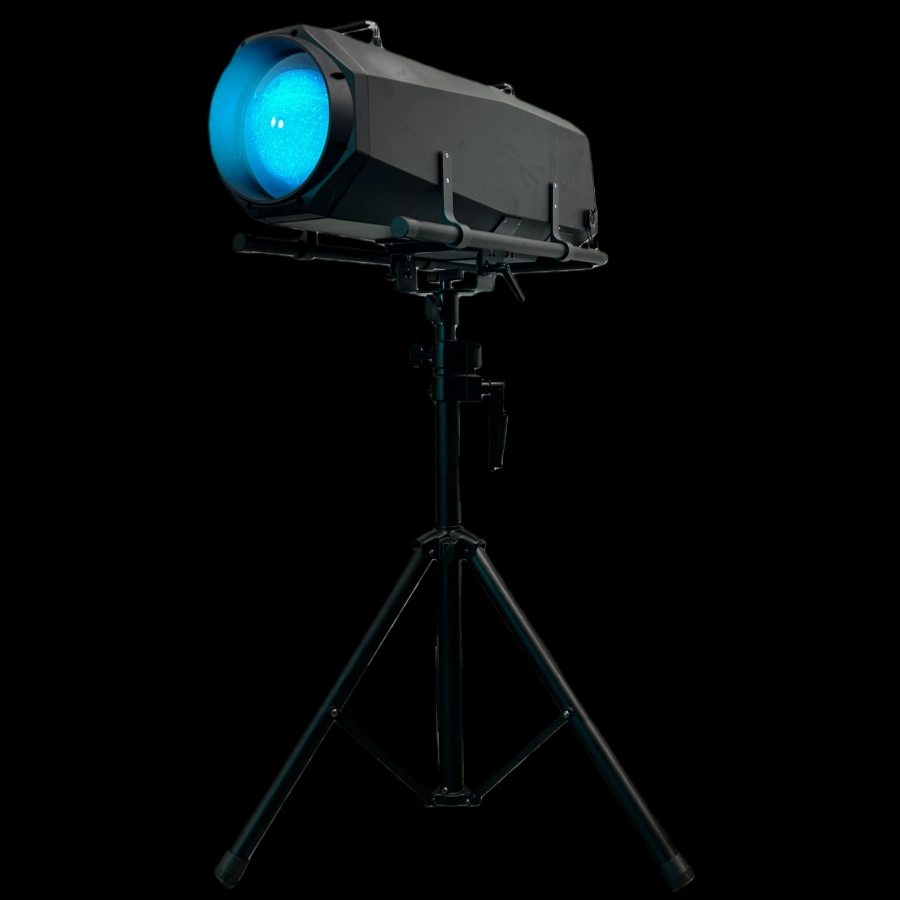
This 1200W waterproof LED follow spotlight with iris adjustment features strong light penetration, precise focusing, and smooth dimming with strobe effects.
Its rain- and dust-resistant design makes it suitable for outdoor performances, concerts, architectural lighting, and other applications. The LED light source boasts a long lifespan and stable, durable operation.
The Waterproof 1200W LED Follow Spot Light with Rotating Gobo features a rotating pattern sheet, delivering a powerful 1200W output for clear, focused beams and precise light tracking. Waterproof for outdoor use in all scenarios, the rotating pattern creates rich visual layers, making it ideal for large-scale indoor and outdoor performances, music festivals, light shows, and other events requiring focused attention and stage effects.
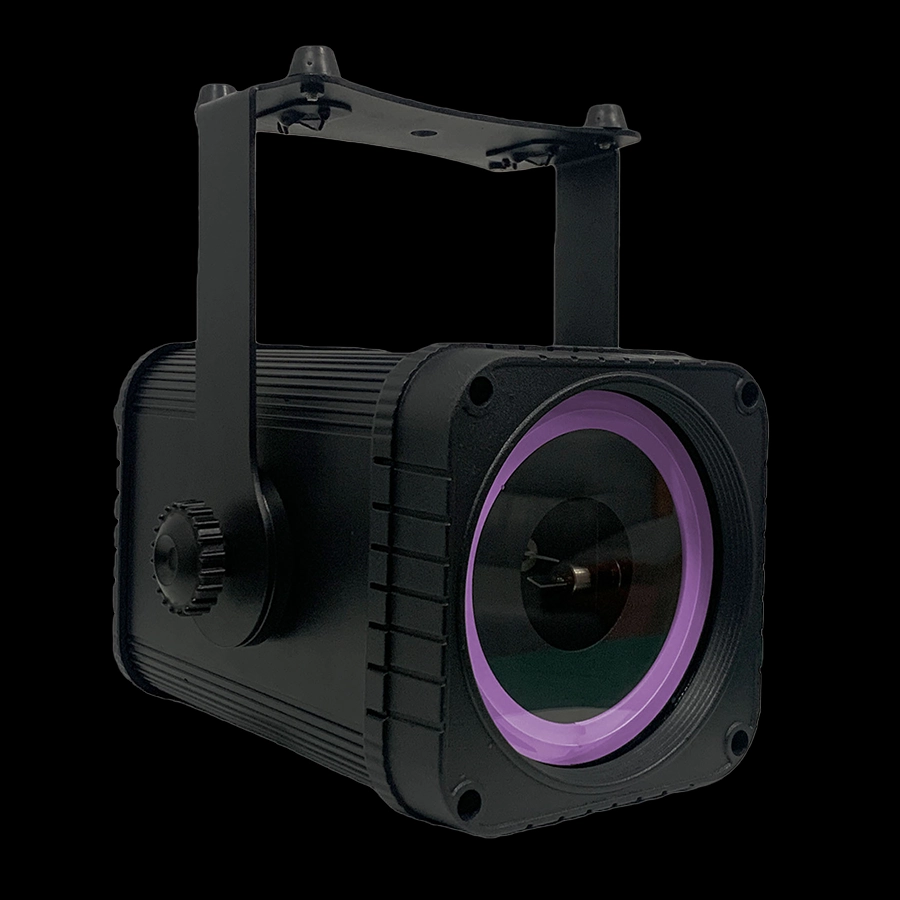
This IP65 waterproof 3W RGB animation laser battery light features an IP65 waterproof and dustproof design, making it suitable for both outdoor and indoor use. It supports rich RGB color combinations and dynamic animation effects, delivering a clear and fluid beam that can display text, patterns, and flowing light and shadow, among other visual representations.
Powered by a built-in battery, it requires no external power source, making it portable, easy to deploy, and simple to operate. Ideal for festive decorations, creating a garden atmosphere, and adding a touch of elegance to small events, it's energy-efficient, durable, and creates a truly immersive ambiance.
This IP65 waterproof 5W RGB animation laser battery light features an IP65 waterproof and dustproof design, making it suitable for both outdoor and indoor use. It supports rich RGB color combinations and dynamic animation effects, delivering a clear and fluid beam that can display text, patterns, and flowing light and shadow, among other visual representations.
Powered by a built-in battery, it requires no external power source, making it portable, easy to deploy, and simple to operate. Ideal for festive decorations, creating a garden atmosphere, and adding a touch of elegance to small events, it's energy-efficient, durable, and creates a truly immersive ambiance.
If you have any comments or good suggestions, please leave us a message, later our professional staff will contact you as soon as possible.
Lighting Innovators
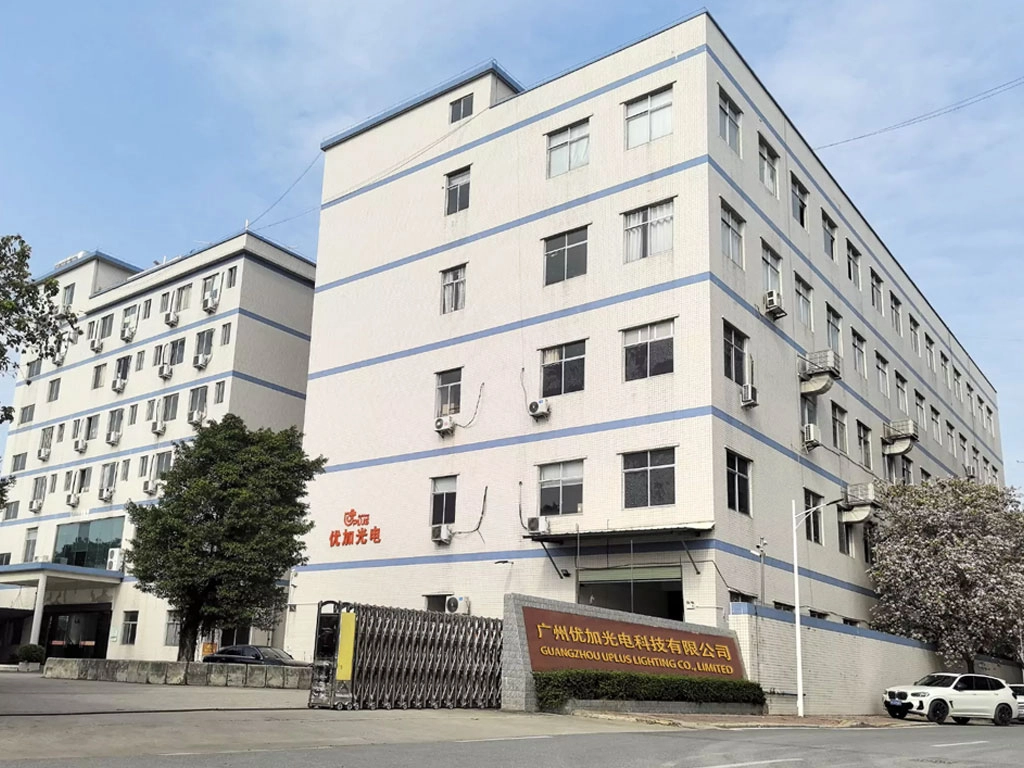
Uplus Lighting is a leading integrated company specializing in R&D, design, production, and sales of stage lighting solutions.
 Scan QR Code
Facebook
Instagram
YouTube
VK