






Buyer's Guide: Laser Light Moving Head for Concerts & Events
- Understanding performance lighting needs
- Identify venue and audience expectations
- Define the show profile and effects
- Budget, rental vs. purchase, and lifecycle
- Key features of laser light moving head
- Laser source types, wavelengths, and safety classes
- Optics, beam quality, and divergence
- Scanning systems, speed, and control
- Selecting the right unit for concerts & events
- Power, coverage, and audience interaction
- Reliability, thermal management, and serviceability
- Accessories, rigging, and integration
- Comparing laser moving heads vs. other lighting options
- When to choose a laser moving head
- When to choose LED/hybrid moving heads instead
- Side-by-side comparison
- Vendor, warranty, and compliance considerations
- Ask for test data and field references
- Laser safety documentation and certification
- Warranty, support, and spares strategy
- Why Uplus Lighting might be the right partner
- Company background and product scope
- Technical capability, OEM & customization
- Competitive advantages and service
- Practical selection checklist (my field-tested checklist)
- Frequently Asked Questions (FAQ)
- 1. What is the difference between a laser moving head and a regular moving head?
- 2. Are laser moving heads safe for audience scanning?
- 3. How do I choose the right wattage for my venue?
- 4. What control protocols should I require?
- 5. How do I verify manufacturer claims?
- 6. What maintenance should I expect?
I have specified, rented, and operated laser light moving head fixtures across theatre productions, arena concerts, and corporate events. In this guide I summarize the real-world criteria you should use when evaluating laser moving heads — from laser class and beam quality to scanning speed, control compatibility, and maintenance needs — so you can select equipment that delivers impact, safety, and reliable uptime for your shows.
Understanding performance lighting needs
Identify venue and audience expectations
Before you evaluate any technical spec, I always start by asking: what is the venue size and sightline geometry? Small clubs, mid-size theaters, and stadiums impose different requirements for beam throw, divergence, and scanning speed. For example, a green laser beam that reads beautifully in a 500-seat theatre may be washed out in a 10,000-seat arena unless you select higher output power and tighter optics.
Define the show profile and effects
Are you creating aerial beams, audience scanning, or precise graphic/gobo projection? Laser light moving head fixtures excel at long, coherent beams and tight aerial effects, while other fixtures (LED spots or profile moving heads) are better for soft washes and accurate color mixing. I map fixture selection to the intended effect early in the specification process.
Budget, rental vs. purchase, and lifecycle
Cost of ownership isn't just purchase price: consider maintenance, spare parts, safety compliance (laser class labeling, interlocks), and control integration. Rental companies often favor units with modular, field-replaceable laser modules and proven thermal behavior. If you plan frequent touring, prioritize ruggedized housings and standard accessories that reduce downtime.
Key features of laser light moving head
Laser source types, wavelengths, and safety classes
Laser light moving heads use diode or DPSS (diode-pumped solid-state) sources to generate red, green, and blue wavelengths. Green (commonly 532 nm from DPSS) and blue (around 450 nm from diodes) are important for vivid beams. Total optical output ranges widely — from a few hundred milliwatts in club units to multiple watts for arena-class fixtures. Always check the laser safety class and compliance with standards such as IEC 60825 (laser safety). I recommend units with clear interlocks, key-switches, and remote shutter features for audience scanning scenarios to meet venue safety policies.
Optics, beam quality, and divergence
Beam divergence determines how tight the beam remains over distance. Typical laser moving head beam divergence can range from <0.5 mrad (very tight, long-distance) to several milliradians. Lower divergence is preferable for stadiums, but also requires precise optics and alignment. Look for models that publish measured divergence and M2 or beam quality figures when available — these are verifiable metrics rather than marketing terms.
Scanning systems, speed, and control
High-speed galvanometer scanners enable fast, sharp movements and complex patterns; stepper or servo pan/tilt in the head produce large-angle position control. Verify the specified scan speed (typically given in Kpps — kilo points per second) and the maximum angular throw. For control, ensure the fixture supports industry standards such as DMX512, Art-Net or sACN for large installations, plus ILDA protocol for direct laser show control. I always test a DMX profile and ILDA compatibility during evaluation to avoid integration surprises.
Selecting the right unit for concerts & events
Power, coverage, and audience interaction
Choose optical power based on venue size and atmospheric conditions (haze/smoke improves beam visibility). Typical guidance from touring practice:
- Small club (up to 500 seats): 0.5–2 W total optical power.
- Mid-size venue (500–3,000 seats): 2–6 W.
- Arena/stadium (3,000+): 6 W and above, often in multi-head arrays.
These ranges are practical starting points; actual requirements depend on beam divergence and color. When planning audience scanning, consult your venue's safety officer and local regulations; use low-power audience sweep modes and approved safety interlocks.
Reliability, thermal management, and serviceability
Touring and rental use demand robust cooling and easy access to consumables. Diode-based lasers typically offer longer lifetimes and simpler cooling than DPSS modules, but DPSS may provide stronger green output per watt. Prioritize models with modular laser engine access, replaceable fans, and on-board diagnostics (temperature, fault logging). I recommend checking MTBF claims and asking vendors for field references from similar applications.
Accessories, rigging, and integration
Check mounting points, power connectors (standard IEC or PowerCON), and available accessories (flight cases, weather covers, barndoors, and safety bond points). For integration into complex shows, verify networking options and firmware update procedures. Ask the manufacturer if they support custom DMX profiles or OEM firmware for specific show control needs.
Comparing laser moving heads vs. other lighting options
When to choose a laser moving head
I specify laser moving heads primarily when I need narrow, long-throw aerial beams, high-impact audience scanning (with safety measures), or sharp graphic projection using scanners. They are particularly effective in arenas and outdoor shows with haze.
When to choose LED/hybrid moving heads instead
For accurate color mixing on performers, soft washes, or when audience scanning is prohibited, LED moving heads or profile fixtures are a better fit. Hybrid units that combine strong LED sources with lower-power laser effects can offer flexibility for mixed programming.
Side-by-side comparison
Below is a practical comparison table summarizing typical capabilities and trade-offs. Sources for typical ranges include manufacturer datasheets and industry references such as general laser technical summaries (Wikipedia: Laser) and stage lighting overview (Wikipedia: Stage lighting).
| Feature | Laser Moving Head | LED Moving Head | Hybrid / Multi-effect |
|---|---|---|---|
| Primary strength | Tight long-throw beams, graphical scanners | Color washes, soft-edge spots | Combined beams + washes |
| Typical optical power | 0.5 W – 20 W (depends on model & wavelength) | 100 W – 1200 W LED arrays (equiv. output) | Lower laser wattage + mid-power LEDs |
| Control | DMX / Art-Net / ILDA | DMX / Art-Net | DMX / Art-Net (+ ILDA on some) |
| Safety & regulation | Strict laser safety (IEC 60825) required | Standard electrical & photobiological safety | Both sets of considerations |
| Typical application | Concerts, festivals, large events | Theatres, corporate, TV | Versatile touring rigs |
Vendor, warranty, and compliance considerations
Ask for test data and field references
Request measured beam divergence, wavelength values, spectral power distribution, and thermal operating range. Insist on field references — ask the manufacturer for contactable clients who used the same unit in a comparable application. Verified installations and performance logs are stronger evidence than brochure claims.
Laser safety documentation and certification
Ensure the manufacturer provides laser safety documentation and classification per IEC 60825. For concerts with audience scanning, I require documented risk assessments, an ILDA-compliant shutter or emission cutoff, and training materials for operators. Local regulations may further restrict scanning; consult venue health & safety and local authorities.
Warranty, support, and spares strategy
Check warranty terms, response times, and spares availability. For touring, establish a spares kit (power supply, fans, key optical modules) and confirm whether the vendor supports OEM or third-party repairs. Evaluate whether the vendor offers field service training or on-call technical support during tour periods.
Why Uplus Lighting might be the right partner
Company background and product scope
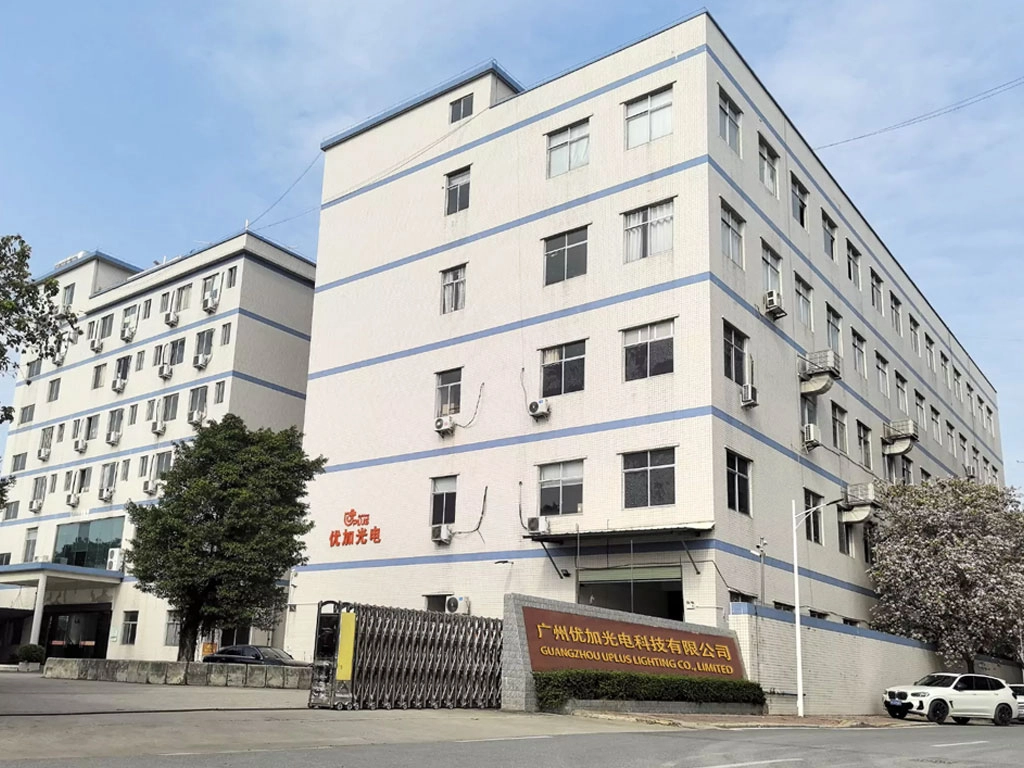
Uplus Lighting was established in 2012 in Guangzhou, China, and is a professional manufacturer specializing in high-end stage lighting products. They provide innovative and reliable lighting solutions for theatres, studios, cultural projects, concerts, and live events worldwide. Their product range includes moving head lights, strobe lights, LED battery lights, static lights, LED theatre lights, LED follow spot light, stage effect lights, and laser lights. Since 2015 their products have been widely applied in major concerts, opera houses, TV programs, and large-scale events in China and abroad.
Technical capability, OEM & customization
From my review of Uplus Lighting’s offerings, the company supports OEM orders and customized product development, which is crucial if you need bespoke DMX/ILDA profiles, custom beam optics, or specific power/networking interfaces for tour rigs. A skilled production team and strict quality control help ensure stable performance and consistent quality — qualities I prioritize for rental fleets and touring inventory.
Competitive advantages and service
Uplus’s strengths are a broad product portfolio and manufacturing depth combined with practical project experience on large-scale events. Their experience in development and export indicates established quality processes and international logistics, which reduces lead times and simplifies warranty & spares management for global tours. If you need a partner who can both supply standard laser moving heads and adapt products to your venue requirements, they are positioned to help.
Practical selection checklist (my field-tested checklist)
- Confirm the intended effect: beams, audience scan, graphics, or wash?
- Match optical power and divergence to venue throw distances.
- Verify scanner speed (Kpps), pan/tilt resolution, and head positioning specs.
- Check laser class and IEC 60825 documentation; require interlocks and emergency stop features.
- Confirm control protocols (DMX, Art-Net, ILDA) and firmware update processes.
- Request field references and ask for MTBF or failure rate data.
- Plan spares and maintenance intervals; ensure local support for repairs.
Frequently Asked Questions (FAQ)
1. What is the difference between a laser moving head and a regular moving head?
A laser moving head uses laser diodes or DPSS sources and often high-speed scanners to create narrow, coherent beams and graphical effects. Regular moving heads (LED or discharge-based) produce broader beams and are typically used for washes and spot lighting. Laser units require additional safety measures and classifications per IEC 60825.
2. Are laser moving heads safe for audience scanning?
Audience scanning can be performed safely only when the fixture, operator, and venue follow strict protocols. This includes using fixtures with safety interlocks, observing maximum permissible exposure (MPE) limits, and conducting risk assessments. Many venues prohibit audience scanning by default; always get written approval and follow published standards and local regulations.
3. How do I choose the right wattage for my venue?
Begin with throw distance and intended visibility. As a rough guideline: 0.5–2 W for small clubs, 2–6 W for mid-size venues, and 6 W+ for arenas/stadiums. Also factor in beam divergence and color balance: higher wattage green is often needed to maintain visible beams at long distance.
4. What control protocols should I require?
For general lighting control use DMX512 and Art-Net or sACN for networked shows. For complex laser graphics, ensure ILDA compatibility. Confirm that the fixture’s control mapping and firmware are documented and accessible before purchase.
5. How do I verify manufacturer claims?
Ask for measured specifications (beam divergence, spectral output, scan speed), independent test reports, and references of installed shows. If possible, demo the unit in a representative venue. Insist on documentation for laser classification and safety features.
6. What maintenance should I expect?
Regular tasks include cleaning optics, checking fan operation and air filters, verifying interlocks, and replacing consumables. For DPSS units, periodic alignment or replacement of pump diodes may be needed. Create a scheduled maintenance plan and keep a spares kit for common failures.
If you’d like specific model recommendations, pricing, or a tailored specification for your venue or tour, contact us to arrange a demo or consultation. Explore Uplus Lighting’s product range and custom solutions for moving head lights, strobe lights, LED battery lights, static lights, LED theatre lights, LED follow spot lights, stage effect lights, and laser lights — backed by project experience and manufacturing expertise.
Contact & product inquiry: For consultations, demos, or OEM inquiries, please contact our sales team to discuss specifications and availability.
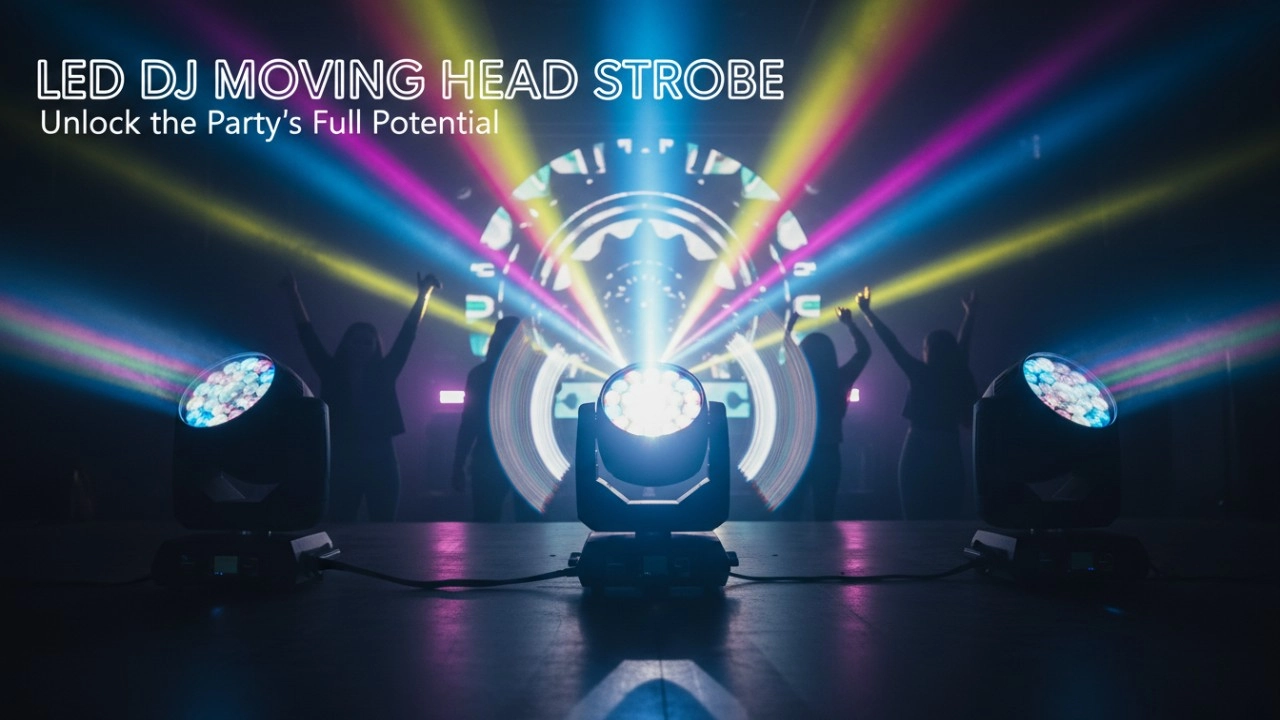
10 Best LED DJ Moving Head Strobe Lights of 2026: [Ultimate Review & Comparison]
Budget bee eye moving light picks for small venues and churches
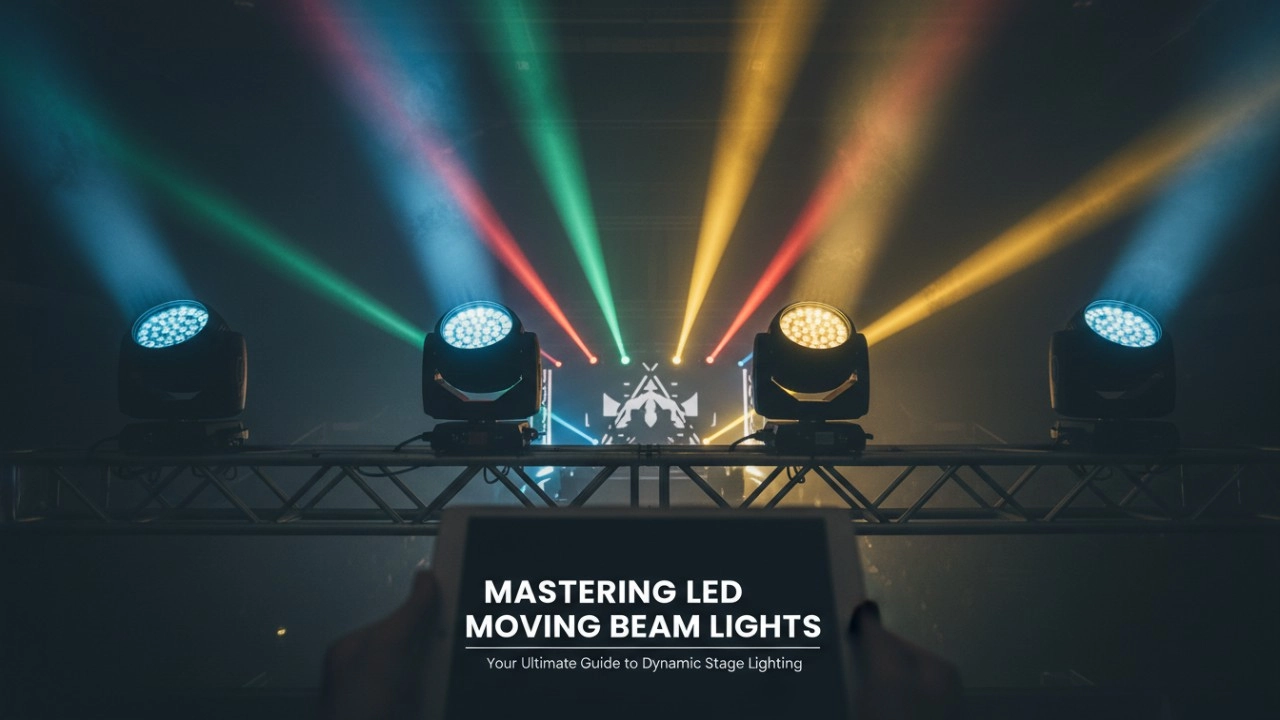
2026 Ultimate Guide: Best LED Moving Beam Lights for Every Budget [Buyer’s Guide]
Cost of Ownership: LED Moving Head Lights for Venues
About Cooperation Process
What warranty do your products come with?
Our products come with a one-year warranty. During this period, if there are any problems with our products, we will provide customers with the necessary accessories and related services.
Theater
Do you provide on-site installation service?
Our service does not include on-site installation, but we provide detailed installation guidelines and operation manuals to ensure you can successfully install and debug the equipment. We also provide remote support to help you resolve any problems during the installation process.
About Company
Are you a manufacturer or a trading company?
We come directly from the factory and also have a sales office in Baiyun, Guangzhou.
TV Show
Can your lighting equipment adapt to television programs of different sizes?
Yes, our lighting systems offer flexible customization, providing the most suitable lighting solutions based on program size and studio space.
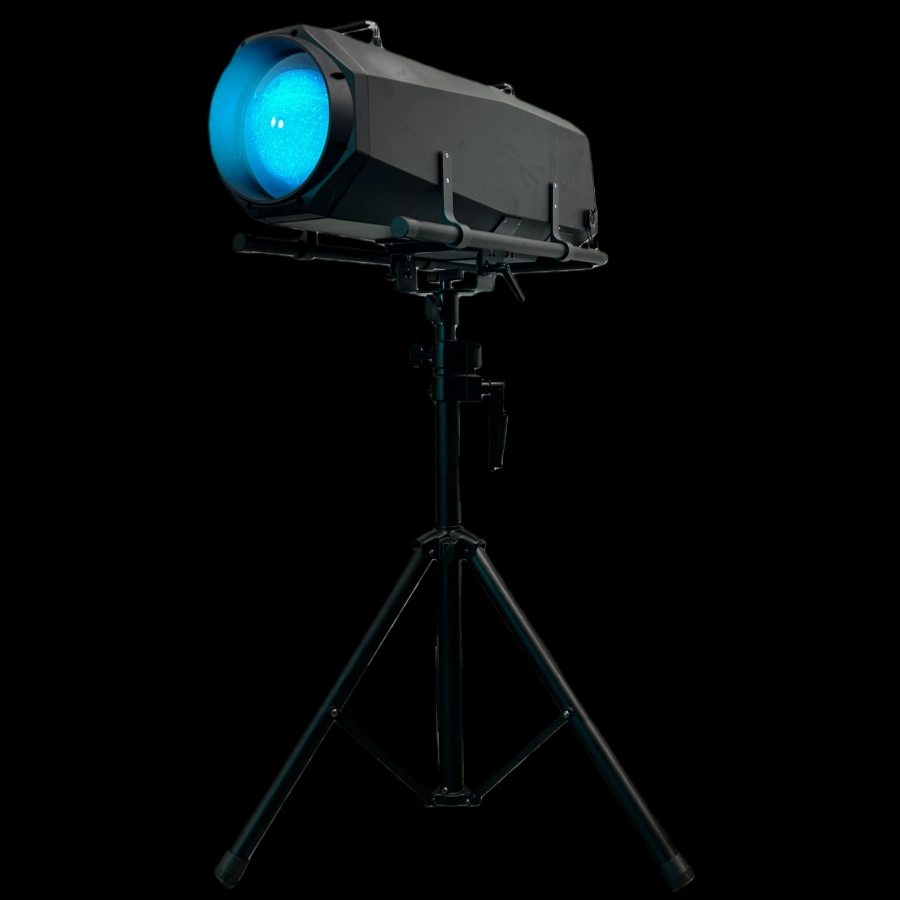
This 1200W waterproof LED follow spotlight with iris adjustment features strong light penetration, precise focusing, and smooth dimming with strobe effects.
Its rain- and dust-resistant design makes it suitable for outdoor performances, concerts, architectural lighting, and other applications. The LED light source boasts a long lifespan and stable, durable operation.
The Waterproof 1200W LED Follow Spot Light with Rotating Gobo features a rotating pattern sheet, delivering a powerful 1200W output for clear, focused beams and precise light tracking. Waterproof for outdoor use in all scenarios, the rotating pattern creates rich visual layers, making it ideal for large-scale indoor and outdoor performances, music festivals, light shows, and other events requiring focused attention and stage effects.
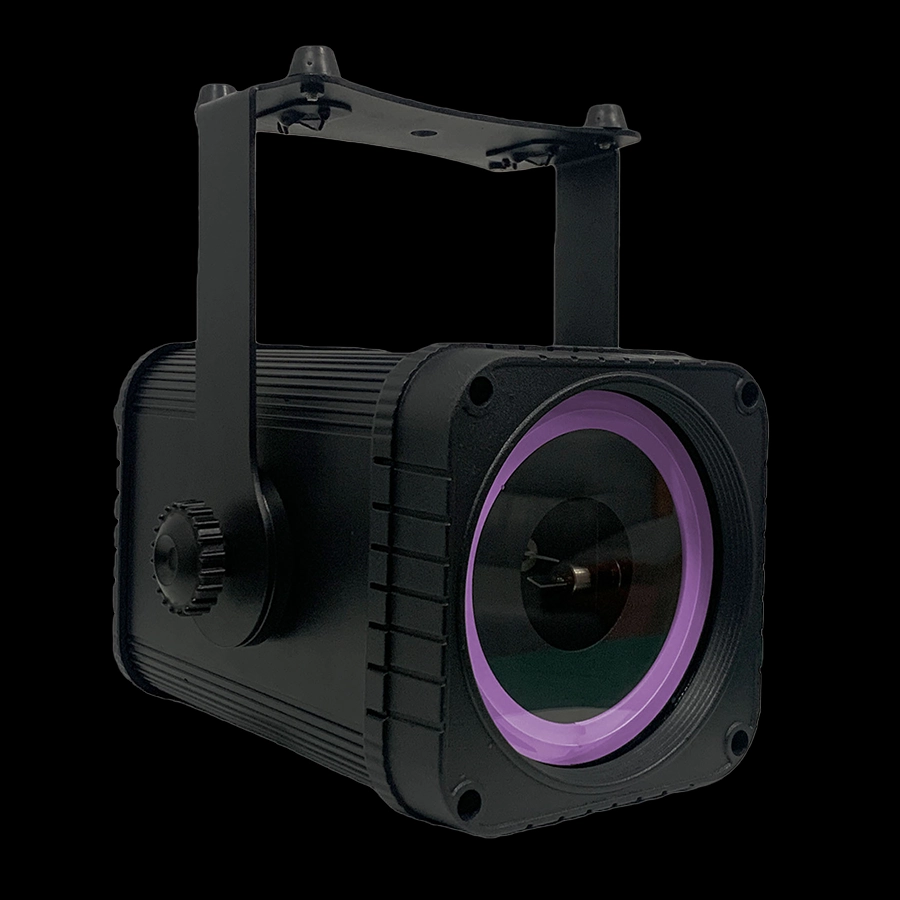
This IP65 waterproof 3W RGB animation laser battery light features an IP65 waterproof and dustproof design, making it suitable for both outdoor and indoor use. It supports rich RGB color combinations and dynamic animation effects, delivering a clear and fluid beam that can display text, patterns, and flowing light and shadow, among other visual representations.
Powered by a built-in battery, it requires no external power source, making it portable, easy to deploy, and simple to operate. Ideal for festive decorations, creating a garden atmosphere, and adding a touch of elegance to small events, it's energy-efficient, durable, and creates a truly immersive ambiance.
This IP65 waterproof 5W RGB animation laser battery light features an IP65 waterproof and dustproof design, making it suitable for both outdoor and indoor use. It supports rich RGB color combinations and dynamic animation effects, delivering a clear and fluid beam that can display text, patterns, and flowing light and shadow, among other visual representations.
Powered by a built-in battery, it requires no external power source, making it portable, easy to deploy, and simple to operate. Ideal for festive decorations, creating a garden atmosphere, and adding a touch of elegance to small events, it's energy-efficient, durable, and creates a truly immersive ambiance.
If you have any comments or good suggestions, please leave us a message, later our professional staff will contact you as soon as possible.
Lighting Innovators
Uplus Lighting is a leading integrated company specializing in R&D, design, production, and sales of stage lighting solutions.
 Scan QR Code
Facebook
Instagram
YouTube
VK