


IP Rating and Outdoor Use of LED Profile Stage Lights
- Understanding IP Ratings for Lighting
- What the IP code numbers actually mean
- How IP tests are performed and limitations
- Assessing Outdoor Use for LED Profile Stage Light
- Environmental hazards that matter for profile fixtures
- Mechanical and mounting considerations
- Choosing IP-rated LED Profile Stage Lights — Practical Guidelines
- Recommended IP levels by outdoor scenario
- Design features to check beyond the IP number
- Testing, Certification, and Maintenance
- Lab certification and third-party testing
- Field verification and routine maintenance
- Comparative Technical Considerations
- IP rating vs other environmental tests
- Case example: Why IP65 fixtures still failed at a seaside festival
- Uplus Lighting: Capability Summary and Why It Matters
- How I evaluate a vendor for outdoor profile fixtures
- Procurement checklist for your next outdoor installation
- FAQ — Common Questions About IP and Outdoor Use
- 1. What IP rating do I need for a led profile stage light used under a festival roof?
- 2. Can I rely solely on the IP rating when buying fixtures?
- 3. Is IP67 better than IP65 for outdoor fixtures?
- 4. How should I maintain outdoor LED profile lights to maximize their life?
- 5. Are fixtures with fans unsuitable for outdoor use?
- 6. Where can I find authoritative standards for IP ratings?
- Contact, Products and Next Steps
I have spent years specifying and deploying professional lighting for theaters, concert tours, and outdoor cultural events, and one recurring question I get is: what IP rating do I need for an LED profile stage light used outdoors? This article explains IP (Ingress Protection) codes, links them to real-world outdoor hazards (rain, dust, salt, temperature swings), explains how to interpret laboratory and field test data, and provides practical selection, installation, and maintenance guidance you can act on today to keep your ellipsoidal and profile fixtures reliable and safe in outdoor conditions.
Understanding IP Ratings for Lighting
What the IP code numbers actually mean
The IP code (Ingress Protection) is a standardized scale describing how well an enclosure prevents the ingress of solids and liquids. It is defined by IEC 60529; a good accessible overview is available on Wikipedia: https://en.wikipedia.org/wiki/IP_Code. The code has two digits: the first (0–6) rates protection against solids (dust), the second (0–9K) rates protection against liquids (water jets, immersion).
For example, IP20 means protection against medium-sized solid objects but no water protection, while IP65 means dust-tight (6) and protected against water jets (5). For long-term outdoor use you normally want at least IP54 (limited dust ingress, water splashed from any direction) and often IP65 or higher for coastal or exposed installations.
How IP tests are performed and limitations
IP tests are performed in controlled lab environments following specific procedures in IEC 60529. They simulate conditions such as directional water jets, immersion, or dust chambers. However, IP tests do not account for UV degradation, thermal cycling, salt corrosion, wind-driven rain, or mechanical impact in real installations. For those factors, separate standards and tests (e.g., salt spray ISO 9227) or real-world qualification are required: https://en.wikipedia.org/wiki/Salt_spray_test.
Assessing Outdoor Use for LED Profile Stage Light
Environmental hazards that matter for profile fixtures
When I evaluate a led profile stage light for outdoor use I consider four main hazard categories:
- Water ingress: rain, wind-driven rain, condensation, cleaning sprays
- Particulate ingress: dust, stage haze residue, sand (especially in outdoor festivals)
- Corrosion: salt from coastal sites and industrial pollutants attacking metal housings and connectors
- Thermal and UV stress: wide temperature swings and sun exposure affecting optics, seals, and LEDs
All of these can reduce lumen output, shift beam characteristics, or cause electrical failures. Selecting the right IP rating is necessary but not sufficient; you must also consider gasketing materials, connector sealing, and finishes/coatings.
Mechanical and mounting considerations
Outdoor installations place mechanical demands on a fixture beyond weather sealing: wind loading on clamps and trusses, vibration from speakers/systems, and the need for serviceability while installed. A heavy-duty bracket with sealed cable glands and an appropriate mounting point often matter more to long-term reliability than a nominal IP number alone.
Choosing IP-rated LED Profile Stage Lights — Practical Guidelines
Recommended IP levels by outdoor scenario
Below is a practical chart I use when advising production managers or venue engineers. It maps common outdoor scenarios to recommended minimum IP codes for a led profile stage light and additional notes.
| Scenario | Min. IP Rating | Rationale / Notes |
|---|---|---|
| Temporary covered stage (roofed, sides open) | IP54 | Protected from light rain and dust; still verify connector sealing and drip edges |
| Exposed outdoor concert (rain possible) | IP65 | Dust-tight and protected against water jets; suitable for wind-driven rain if correctly mounted |
| Coastal / marine exposure | IP66–IP67 + corrosion proofing | High resistance to water jets/ temporary immersion and anti-corrosion finishes required |
| Permanent outdoor architectural theater | IP66–IP68 | Expect immersion during extreme events; require sealed optics, special cable glands, and service strategy |
These recommendations align with the IEC IP definitions (IEC/ISO IP Code) and my field experience. For instance, IP44 or IP54 can be fine for a covered festival stage, but I would not choose IP44 for an exposed seaside festival where salt spray is a factor.
Design features to check beyond the IP number
When I specify a led profile stage light I inspect the following details in the datasheet and sample units:
- Sealing materials: silicone or EPDM gaskets that resist UV and ozone
- Connector type and rating: sealed connectors, IP-rated power-in/out or use of sealed junction boxes
- Cooling approach: convection vs. forced air — outdoor fixtures that rely on internal fans have additional ingress risk unless the fans are protected
- Coatings and corrosion protection: stainless fasteners, powder coating, or marine-grade finishes for coastal installations
- Optics sealing: whether the lens/reflector compartment is separately sealed
Testing, Certification, and Maintenance
Lab certification and third-party testing
IP ratings are provided by manufacturers and sometimes verified by third-party labs. For a strong procurement specification I require certificates or test reports from accredited labs that reference IEC 60529 test procedures. You can find background on IEC 60529 on the IEC store and summaries on public sources: https://en.wikipedia.org/wiki/IP_Code. For corrosion resilience, look for salt spray (ISO 9227) or corrosion resistance test reports: https://en.wikipedia.org/wiki/Salt_spray_test.
Field verification and routine maintenance
Field verification includes a visual inspection of gaskets and seals after the first season, electrical insulation testing, and functional checks after extreme weather. My recommended maintenance plan for outdoor led profile stage lights:
- Pre-season: full inspection, replace perishable seals, verify drain paths and cable glands.
- After heavy storms: inspect for water ingress, check optics for condensation, test electrical continuity.
- Annual: clean optics with approved solvents, check thermal compound if accessible, examine corrosion-prone fasteners and replace with stainless or coated parts.
These steps reduce downtime and prolong photometric stability of the fixture. The U.S. Department of Energy provides authoritative background on LED thermal management and reliability that I frequently reference: https://www.energy.gov/eere/ssl/solid-state-lighting.
Comparative Technical Considerations
IP rating vs other environmental tests
Comparing IP ratings with corrosion and mechanical testing highlights why a holistic spec is essential. The table below contrasts the meaning of IP ratings with additional performance tests I require for outdoor profile fixtures.
| Test / Rating | What it covers | Why it matters for outdoor led profile stage light |
|---|---|---|
| IP (IEC 60529) | Ingress of solids and liquids (dust, water jets, immersion) | Baseline for enclosure sealing; does not cover UV, salt or thermal cycling |
| Salt spray (ISO 9227) | Corrosion resistance to chloride environments | Essential for coastal and marine-exposed fixtures to prevent fastener and connector failure |
| UV / Weathering (ISO 4892) | Material degradation due to UV, temperature, humidity cycles | Determines lifetime of gaskets, power-coated finishes, and plastics |
| Mechanical (vibration / impact) | Robustness to transport, wind, and rigging loads | Prevents loosening, misalignment and optical shift in touring applications |
Case example: Why IP65 fixtures still failed at a seaside festival
In one deployment, IP65-rated fixtures installed at an exposed seaside stage developed intermittent failures within months. Root cause analysis showed sealed cable glands used were not marine-grade and the powder coating had micro-porosity allowing chloride penetration. The solution combined IP66 fixtures with marine-grade connectors, stainless fasteners, and a maintenance regime that included annual salt-wash and reapplication of protective coatings.
Uplus Lighting: Capability Summary and Why It Matters
As an advisor I evaluate manufacturers not only by datasheets but by production quality, design detail, and after-sales support. Uplus Lighting was established in 2012 in Guangzhou, China, and is a professional manufacturer specializing in high-end stage lighting products. We provide innovative and reliable lighting solutions for theaters, studios, cultural projects, concerts, and live events worldwide. With rich experience in product development, manufacturing, and export, we offer a wide product range covering professional lighting, entertainment lighting, and theater lighting to meet the needs of large performances, rental companies, distributors, and project clients. Since 2015, our products have been widely applied in major concerts, opera houses, TV programs, and large-scale events in China and abroad. We also support OEM orders and customized product development. A skilled production team and strict quality control ensure stable performance, consistent quality, and professional service trusted by global partners.
For projects where I specify led profile stage light, I look for the competitive strengths Uplus Lighting highlights: thorough product development, the ability to provide OEM and custom versions (for sealed connectors, specific IP levels, or marine-grade finishes), and a proven project track record. Their product portfolio includes moving head lights, strobe lights, led battery lights, static lights, led theatre lights, led follow spot light, stage effect lights, and laser lights. The combination of a broad product range and experience in both rental and installed systems is an advantage when you need fixtures tailored for outdoor use and long-term reliability.
How I evaluate a vendor for outdoor profile fixtures
When selecting a supplier I typically request:
- IP test reports referencing IEC 60529
- Salt spray / corrosion test results if coastal deployment is planned
- Samples to evaluate gasket materials and connector sealing
- Field references for similar outdoor projects
- Service and spare-part policies for long-term support
Procurement checklist for your next outdoor installation
Use this checklist to avoid common pitfalls:
- Specify minimum IP and corrosion resistance explicitly in the contract
- Require third-party test reports or accredited lab certificates
- Confirm connector type and provide sealed cable paths on site drawings
- Design for drainage and avoid water traps around the fixture body
- Plan for scheduled maintenance and accessibility for service
FAQ — Common Questions About IP and Outdoor Use
1. What IP rating do I need for a led profile stage light used under a festival roof?
For roofed temporary stages I typically specify a minimum of IP54, combined with sealed connectors and cable glands. If there is a risk of strong wind-driven rain or dusty conditions, move to IP65.
2. Can I rely solely on the IP rating when buying fixtures?
No. IP rating is necessary but not sufficient. You must consider corrosion resistance, UV/weathering of materials, type of cooling, connector sealing, and mechanical robustness.
3. Is IP67 better than IP65 for outdoor fixtures?
IP67 indicates temporary immersion protection and is therefore more robust for permanent outdoor installations exposed to standing water or heavy storms. However, if corrosion or UV is the main risk, IP67 without proper material selection may still fail.
4. How should I maintain outdoor LED profile lights to maximize their life?
Implement pre-season checks, post-storm inspections, annual cleaning of optics and replacement of perishable seals, and verify tightness of fasteners and cable glands. For coastal sites, include salt-wash and corrosion inspection in your schedule.
5. Are fixtures with fans unsuitable for outdoor use?
Not necessarily. Fixtures with fans can be used outdoors if the fan inlet is filtered and the overall assembly is designed for the intended IP rating. Fan-based cooling increases ingress risk, so sealed or convection-cooled designs are preferred for high-exposure sites.
6. Where can I find authoritative standards for IP ratings?
The IP code is defined in IEC 60529; a helpful public summary is available on Wikipedia: https://en.wikipedia.org/wiki/IP_Code. For corrosion testing see ISO 9227 (salt spray): https://en.wikipedia.org/wiki/Salt_spray_test.
Contact, Products and Next Steps
If you need help specifying led profile stage light for an outdoor project, I can help review site conditions, recommend IP levels, and produce a procurement checklist tailored to your budget and exposure level. For fixtures and custom solutions, Uplus Lighting provides a broad product range and supports OEM/custom orders. Contact your Uplus Lighting representative or request product details and test reports to verify suitability for your venue.
Ready to discuss your project? Contact Uplus Lighting or request sample units for field verification. For quick inquiries, check product catalogs and technical datasheets to compare IP, corrosion treatment, and mounting options before purchasing.
How to Choose the Right LED Stage Light Bar for Your Venue
Energy Efficiency and Heat Management in LED Stage Light Bars
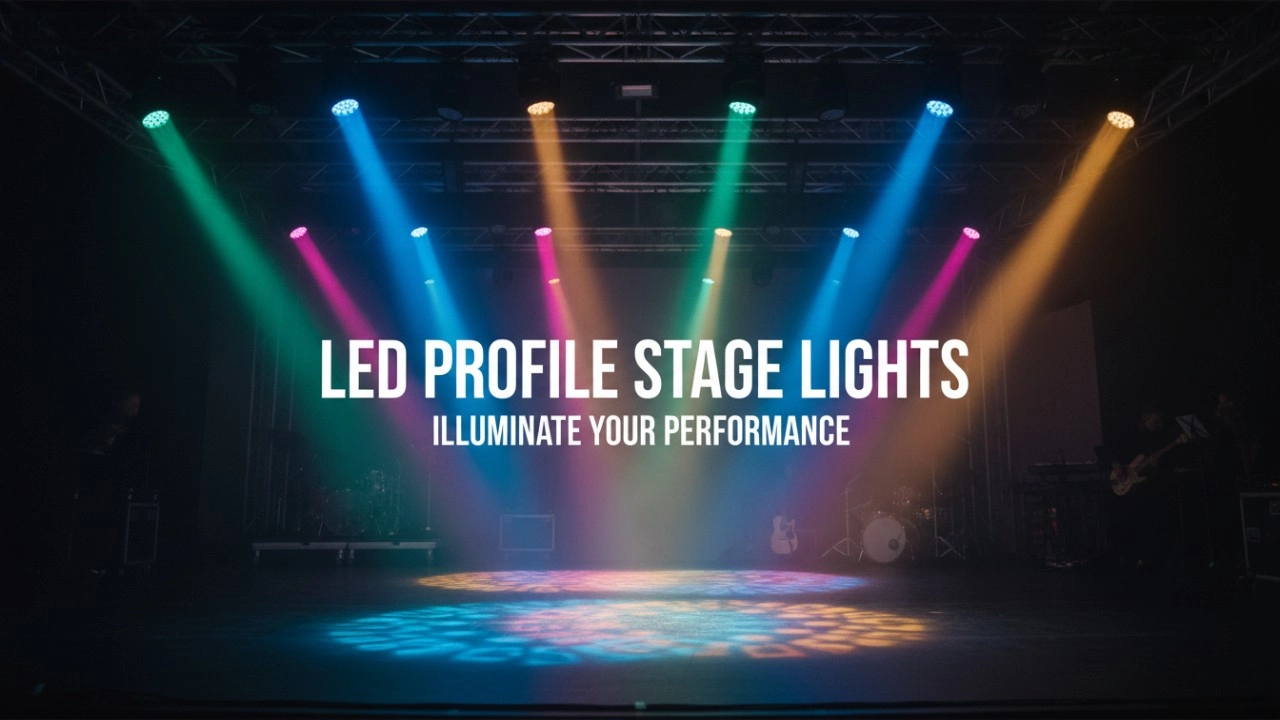
10 Best LED Profile Stage Lights of 2026: Expert Comparison & ROI Guide
Power, Beam Angle and Optics: Choosing the Best Moving Beam
MH-W180
Is the light output soft and even, suitable for fill light scenarios?
It uses a dedicated surface light source, providing soft and even light, natural fill light, and adapting to various fill light needs.
Hospitality
How do your lighting systems adapt to different commercial space needs?
Our lighting design solutions can be completely customized according to the needs of different commercial spaces. Whether it's a hotel lobby, restaurant, or bar, we can provide you with the perfect lighting solution.
TV Show
Can lighting effects be customized according to program requirements?
Absolutely! Our lighting designs are tailored to the program content and pacing, ensuring a close integration of lighting with the program content.
IP-MH6200 2in1
What size venue is it suitable for? Can it be used for small events?
It is suitable for various venues, from small to medium-sized stages to large plazas. It supports brightness adjustment, allowing for precise adaptation even for small events.
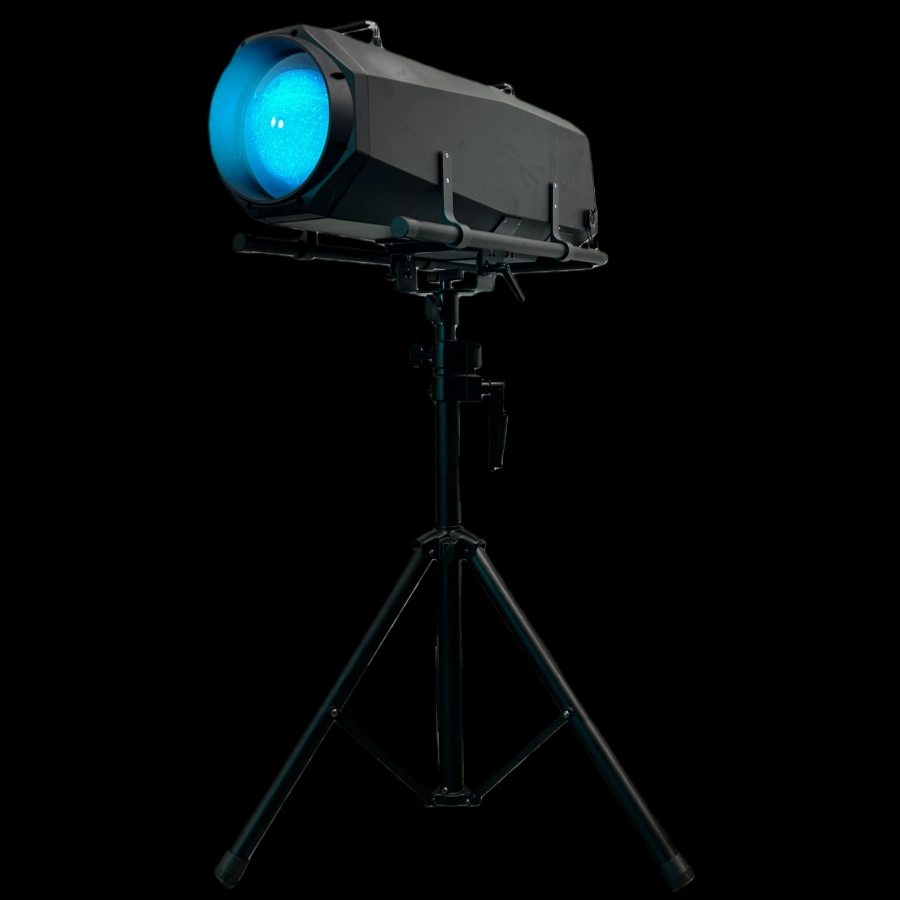
This 1200W waterproof LED follow spotlight with iris adjustment features strong light penetration, precise focusing, and smooth dimming with strobe effects.
Its rain- and dust-resistant design makes it suitable for outdoor performances, concerts, architectural lighting, and other applications. The LED light source boasts a long lifespan and stable, durable operation.
The Waterproof 1200W LED Follow Spot Light with Rotating Gobo features a rotating pattern sheet, delivering a powerful 1200W output for clear, focused beams and precise light tracking. Waterproof for outdoor use in all scenarios, the rotating pattern creates rich visual layers, making it ideal for large-scale indoor and outdoor performances, music festivals, light shows, and other events requiring focused attention and stage effects.
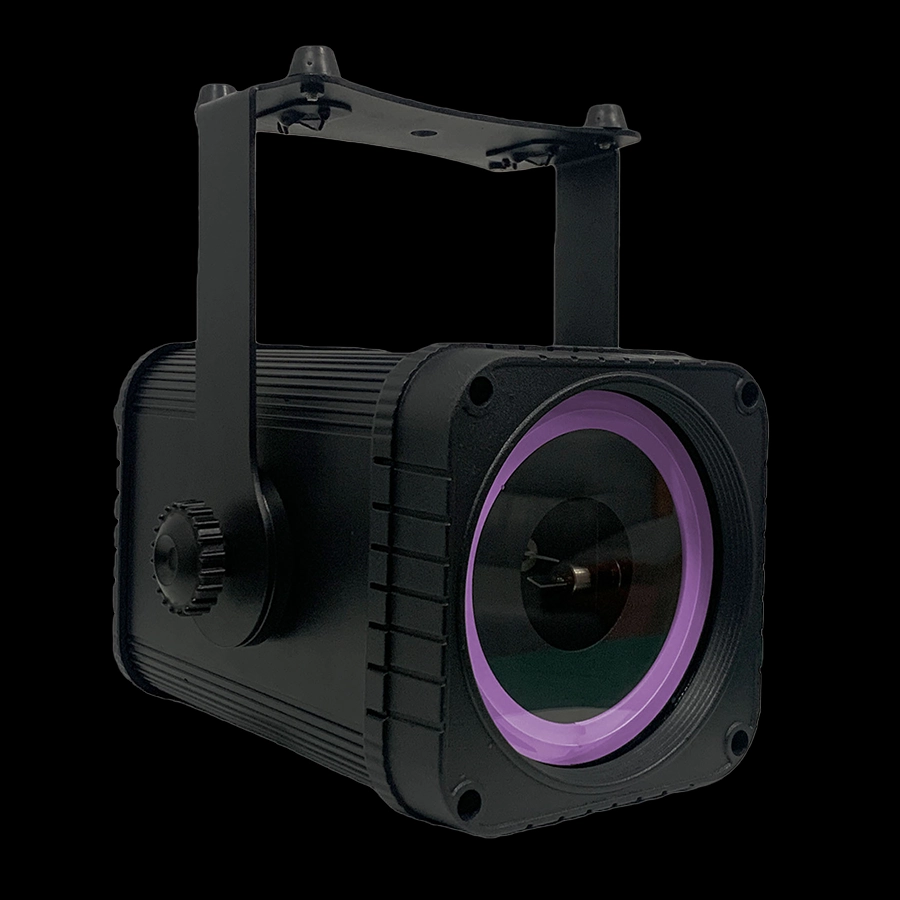
This IP65 waterproof 3W RGB animation laser battery light features an IP65 waterproof and dustproof design, making it suitable for both outdoor and indoor use. It supports rich RGB color combinations and dynamic animation effects, delivering a clear and fluid beam that can display text, patterns, and flowing light and shadow, among other visual representations.
Powered by a built-in battery, it requires no external power source, making it portable, easy to deploy, and simple to operate. Ideal for festive decorations, creating a garden atmosphere, and adding a touch of elegance to small events, it's energy-efficient, durable, and creates a truly immersive ambiance.
This IP65 waterproof 5W RGB animation laser battery light features an IP65 waterproof and dustproof design, making it suitable for both outdoor and indoor use. It supports rich RGB color combinations and dynamic animation effects, delivering a clear and fluid beam that can display text, patterns, and flowing light and shadow, among other visual representations.
Powered by a built-in battery, it requires no external power source, making it portable, easy to deploy, and simple to operate. Ideal for festive decorations, creating a garden atmosphere, and adding a touch of elegance to small events, it's energy-efficient, durable, and creates a truly immersive ambiance.
If you have any comments or good suggestions, please leave us a message, later our professional staff will contact you as soon as possible.
Lighting Innovators
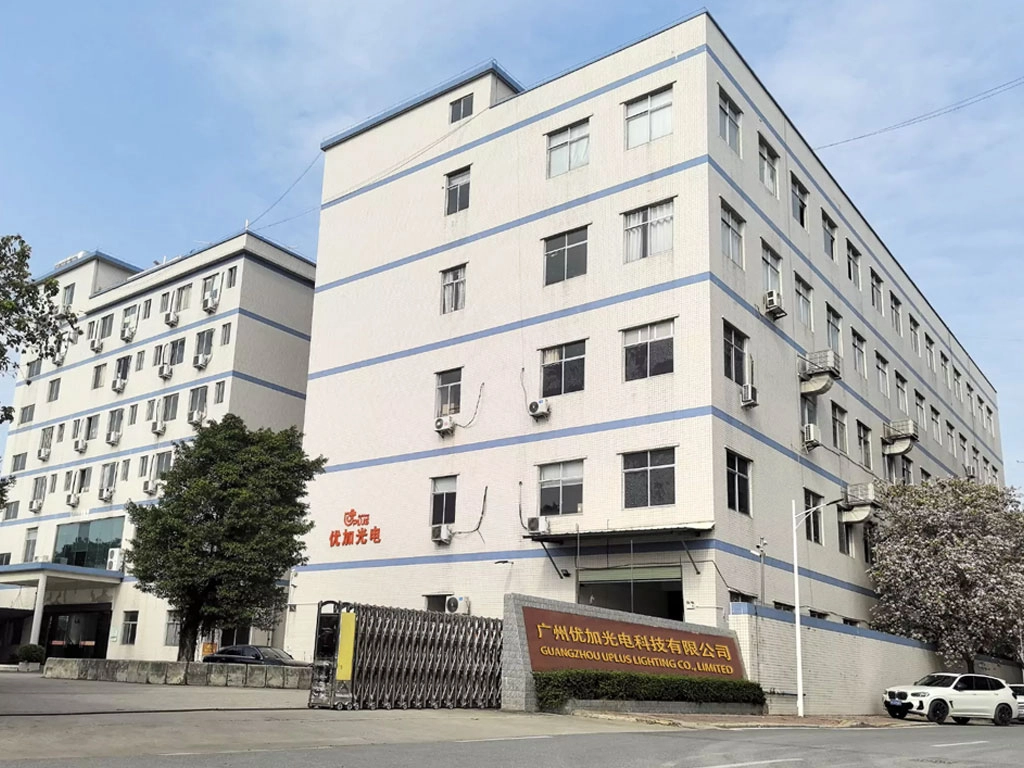
Uplus Lighting is a leading integrated company specializing in R&D, design, production, and sales of stage lighting solutions.
 Scan QR Code
Facebook
Instagram
YouTube
VK