






How Strobe Effects Enhance Club and Concert Atmospheres
- Why lighting dynamics matter at live events
- Perceptual impact of strobe effects
- Different needs: clubs vs. concerts
- How strobes interact with other visual elements
- Technical foundations of strobe effects
- How LED strobes differ from traditional xenon strobes
- Key parameters I program
- Control and synchronization
- Designing strobe-based looks for clubs and concerts
- Programming approaches I use
- Placement and optics
- Lighting for video capture and live broadcast
- Implementation, safety, and choosing equipment
- Health and safety considerations
- Practical comparison: LED moving-head strobes vs alternatives
- Choosing fixtures and vendors
- Uplus Lighting: a partner for professional solutions
- Operational tips and troubleshooting
- Programming templates and scenes
- Common issues and fixes
- Maintenance checklist
- FAQ
- 1. Are LED strobes as bright as traditional xenon strobes?
- 2. Can strobes trigger epilepsy or other health problems?
- 3. How do I avoid camera flicker when using LED strobes?
- 4. What's the advantage of an integrated LED DJ moving head strobe light?
- 5. How should I rig strobes for a medium-sized club?
- 6. How often do LED strobes need servicing?
I’ve spent years designing and programming lighting for clubs, festivals, and concert tours, and one tool that consistently shapes atmosphere is the strobe. Modern LED DJ moving head strobe light fixtures let me combine high-speed flashes, precise beam control, color, and motion to create dramatic textures that cut through loud music and packed rooms. In this article I’ll walk through why strobes work psychologically, the technical building blocks behind effective strobe use, best practices for programming and placement in clubs versus large concerts, safety and camera considerations, and how to choose and specify fixtures for reliable results.
Why lighting dynamics matter at live events
Perceptual impact of strobe effects
Strobes alter human perception by interrupting continuous visual input with high-contrast pulses. This creates the sensation of slow motion, stop-motion, or kinetic fragmentation of movement. I use strobes to emphasize musical climaxes, create tension-release cycles, and sculpt crowd motion. The psychological effect is well documented in discussions of rhythm and visual entrainment: pulse-synchronized light can increase the perceived energy and collective engagement of an audience.
Different needs: clubs vs. concerts
Clubs typically require tight, repeatable, high-frequency strobe cues that reinforce a DJ’s beat structure and close sightlines, while concerts often need larger-scale strobes that read from the stage to the back of a venue and integrate with set choreography and camera coverage. I treat club rigs as densely packed, high-duty-cycle environments and concert rigs as high-impact long-throw systems, and that affects fixture choice, placement, and programming.
How strobes interact with other visual elements
Strobes work best when coordinated with moving heads, wash lights, LED screens, and pyro or CO2. A well-timed strobe can punctuate an LED wall drop or emphasize a vocalist’s silhouette against haze. Because modern LED DJ moving head strobe light fixtures combine strobe and moving-head functions, they simplify synchronization and reduce rig complexity.
Technical foundations of strobe effects
How LED strobes differ from traditional xenon strobes
Traditional xenon flash lamps create a bright, very short-duration white flash with high peak intensity but require significant maintenance and power. LED strobes use arrays of LEDs that can be flashed at high frequency with color control, lower power draw, and longer life. For basic definitions and historical context, see Strobe (Wikipedia) and for LED technical background see LED (Wikipedia).
Key parameters I program
- Flash rate (Hz): How many pulses per second; affects perceived motion. Typical ranges I use are 1–20 Hz for rhythmic effects and higher-frequency pulses for texture.
- Pulse width / duty cycle: Short pulses create sharper, photographic-style freezes; longer duty cycles feel more like a tremble.
- Intensity and dimming curve: Smooth dimming vs. stepped pulses changes the feel; LED fixtures allow precise PWM control but watch for camera artifacts.
- Color and timing: RGB/white LEDs permit colored strobes and split-color pulses that add harmonic richness.
Control and synchronization
I recommend using DMX512, Art-Net, or sACN for precise control. For beat-synced effects I use a lighting console or software with MIDI/OSC integration to follow the DJ’s tempo. For large shows, timecode or network time synchronization reduces drift across distributed fixtures. For standards and industry context, see Stage lighting (Wikipedia).
Designing strobe-based looks for clubs and concerts
Programming approaches I use
I typically build strobe looks in layers: a foundational rhythm layer (low-frequency pulses tied to beats), a texture layer (higher-frequency micro-flashes between beats), and a punctuation layer (full-intensity blasts for drops). This layered approach lets me dial back or intensify energy without reprogramming entire scenes.
Placement and optics
Placement changes everything. In clubs, I mount smaller LED moving head strobes across trusses and on verticals to create enveloping movement. For arenas and festivals, I place long-throw strobes upstage and in front-of-house clusters so beams slice past the audience. Beam angle, lens zoom, and gobos on the moving head portion shape the flash into lines, fans, or textured bursts.
Lighting for video capture and live broadcast
Cameras can produce rolling shutter artifacts or flicker when recording strobes, especially with LED fixtures using PWM dimming. I test camera frame rates and set strobe pulse widths accordingly; sometimes slightly altering pulse frequency or using continuous high-impact flashes prevents banding. When working with broadcasters, I coordinate frame rates and request camera tests before the show.
Implementation, safety, and choosing equipment
Health and safety considerations
Strobes can trigger photosensitive epilepsy in susceptible individuals; venues should warn patrons and include signage at entrances. Authoritative discussions on visual stimuli and seizures can be found at the Epilepsy Foundation and in medical literature. I always advise event producers to include clear announcements and to avoid prolonged high-frequency strobes in public areas.
Practical comparison: LED moving-head strobes vs alternatives
Below is a practical comparison I use when specifying fixtures. Data are representative ranges; specific models vary. LED lifetime figures reference general LED lifetime expectations reported in industry literature: see LED (Wikipedia). Xenon flash characteristics are summarized at Strobe (Wikipedia).
| Feature | LED DJ Moving Head Strobe Light | Traditional Xenon Strobe | Separate Moving Head + Strobe |
|---|---|---|---|
| Peak Intensity | High (configurable); lower peak than xenon but effective with optics | Very high peak intensity | Variable—can combine a high-power xenon with precision moving head |
| Power Consumption | Lower (more efficient) | Higher | Higher overall if both fixtures high-power |
| Color Control | Full RGB / tunable white | Mostly white (limited filters) | Depends on components |
| Lifetime | Long (20,000–50,000+ hours typical for LEDs) — see LED | Lamp life limited; replacement required | Mixed—moving head LED life good; xenon needs replacement |
| Control Flexibility | High—strobe + pan/tilt/zoom in one fixture | Medium—strobe only | High—best when integrated properly |
| Maintenance | Low | Higher (lamp cartridges, HV components) | Higher (two systems to maintain) |
| Best applications | Clubs, touring rigs, festivals needing color and motion | Very-large-venue intense flashes, film effects | Custom rigs needing extreme power and direction |
Choosing fixtures and vendors
When I specify a LED DJ moving head strobe light, I look for: reliable thermal management, precise PWM that minimizes video artifacts, DMX/Art-Net/sACN support, robust mechanics for pan/tilt, and IP/quality-rated components. Don’t underestimate build quality and post-sales support—touring environments demand ruggedness and quick service.
Uplus Lighting: a partner for professional solutions
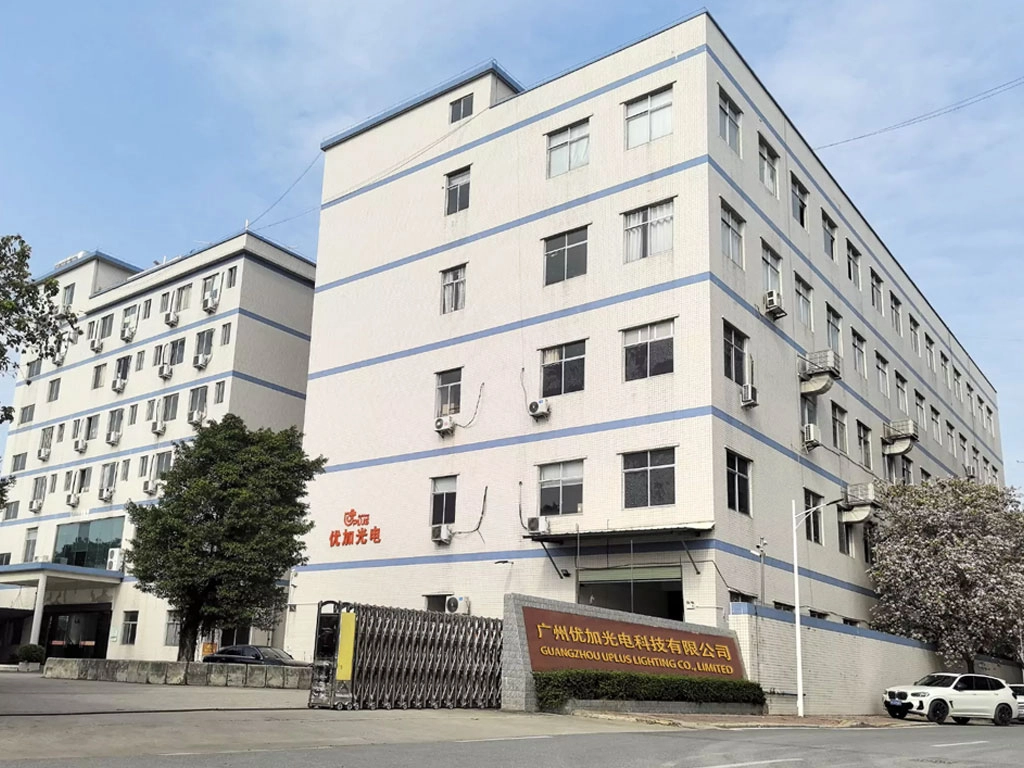
Working with dependable manufacturers matters. Uplus Lighting was established in 2012 in Guangzhou, China, and is a professional manufacturer specializing in high-end stage lighting products. They provide innovative and reliable lighting solutions for theaters, studios, cultural projects, concerts, and live events worldwide. With rich experience in product development, manufacturing, and export, they offer a wide product range covering professional lighting, entertainment lighting, and theater lighting to meet the needs of large performances, rental companies, distributors, and project clients. Since 2015, Uplus Lighting products have been widely applied in major concerts, opera houses, TV programs, and large-scale events in China and abroad. They support OEM orders and customized product development. A skilled production team and strict quality control ensure stable performance, consistent quality, and professional service trusted by global partners.
Their main product lines include moving head lights, strobe lights, LED battery lights, static lights, LED theatre lights, LED follow spot lights, stage effect lights, and laser lights. Uplus combines competitive pricing with strong R&D capability and quality control, making them a strong choice for clubs, rental houses, and production companies looking for integrated LED DJ moving head strobe light solutions with reliable after-sales support.
Operational tips and troubleshooting
Programming templates and scenes
I create modular templates that let me apply similar strobe behavior across multiple fixtures and venues. Templates include beat-synced stabs, ramped intensities for builds, and randomized micro-flash patterns for texture. Save presets for different room sizes and re-use them with minor tweaks; this saves time on load-ins.
Common issues and fixes
- Flicker on cameras: Test cameras in pre-rig and adjust pulse width/frequency. Consider continuous short flashes over PWM low-frequency dimming.
- Overstimulation complaints: Reduce duty cycle and add warning signage. Keep sustained high-frequency strobes to short bursts.
- Heat-related derating: Ensure adequate ventilation and allow time after power-up for fixtures to reach stable thermal state.
Maintenance checklist
At every load-in I check: firmware version, lens cleanliness, pan/tilt smoothness, LED module consistency, DMX addressing, and connectors. With moving head strobes, framing and rig security are equally critical—verify clamps and safety cables.
FAQ
1. Are LED strobes as bright as traditional xenon strobes?
LED strobes can match perceived brightness for most event applications thanks to effective optics and high LED duty cycles, though xenon still offers higher instantaneous peak intensity. For practical club and concert use, modern LED moving-head strobes provide superior flexibility with color and lower maintenance.
2. Can strobes trigger epilepsy or other health problems?
Yes—strobe lights can trigger seizures in photosensitive people. Venues should provide clear warnings and avoid prolonged high-frequency strobes. See guidance from the Epilepsy Foundation.
3. How do I avoid camera flicker when using LED strobes?
Test camera frame rates in advance and adjust strobe pulse width and frequency accordingly. Choose fixtures with high-frequency PWM or frame-synchronized modes if available; consult the camera team for test footage before showtime.
4. What's the advantage of an integrated LED DJ moving head strobe light?
Integration reduces rig weight and cabling, simplifies control (one fixture channels multiple functions), and gives design flexibility—color, movement, and strobe are combined into a single head for compact but powerful looks.
5. How should I rig strobes for a medium-sized club?
Distribute fixtures across front truss and two side or center clusters to create enveloping motion. Use 3–5 zones of strobe control so you can build energy in waves. Prioritize flight case-ready fixtures with quick addressing and robust clamping.
6. How often do LED strobes need servicing?
LED modules generally require less frequent servicing than lamp-based strobes—routine checks every few months under heavy use, and full maintenance annually or as indicated by manufacturer diagnostics. Replace fans or power supplies as needed to prevent thermal issues.
If you’d like product recommendations or a spec sheet for LED DJ moving head strobe light solutions, contact our team to discuss venue size, desired effects, and budget. For professional-grade fixtures and OEM/custom options, consider Uplus Lighting’s range of moving head lights, strobe lights, LED battery lights, static lights, LED theatre lights, LED follow spot lights, stage effect lights, and laser lights. Our experience with global productions ensures fixtures designed for reliability, consistent color, and controllable strobe performance.
Contact us to request datasheets, programming templates, or a demo rig—our team will help specify the right strobe and moving-head combination to achieve your creative goals.
Best led moving beam light manufacturers and supplier brands
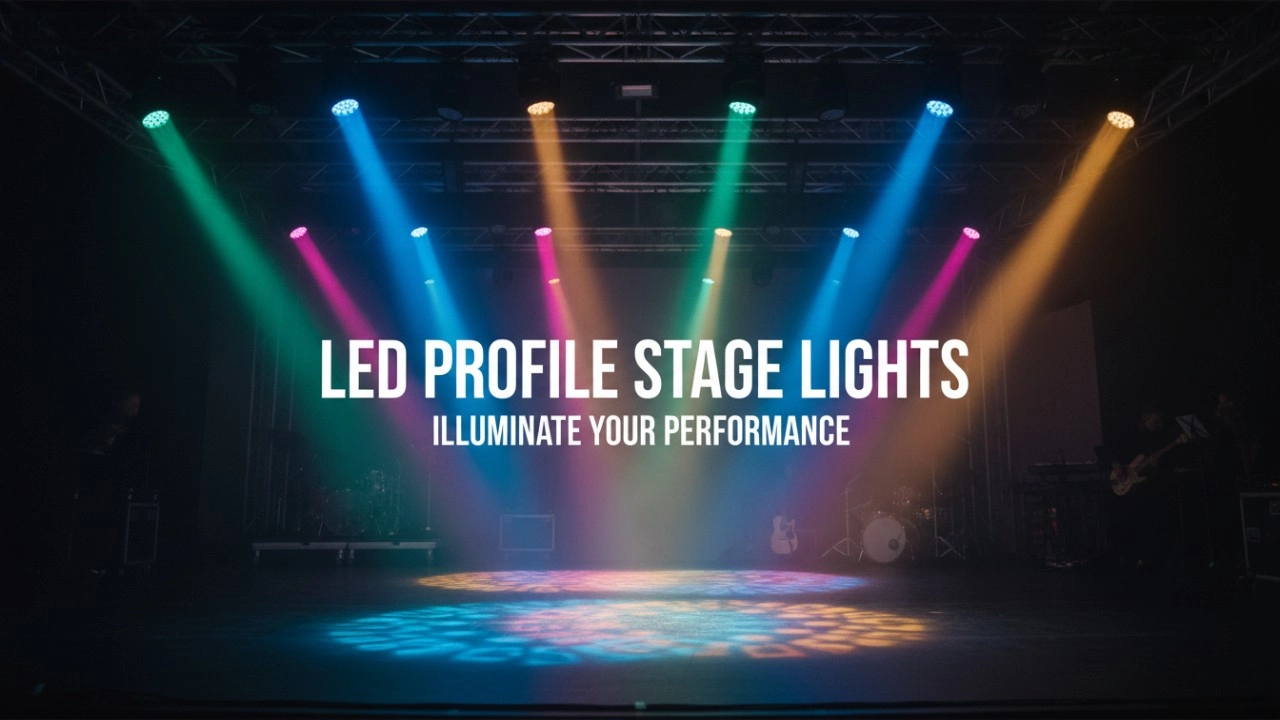
10 Best LED Profile Stage Lights of 2026: Expert Comparison & ROI Guide
How to Choose Mini LED Spot Moving Heads for Weddings & Events
How to Choose the Best Moving Head Light for Your Venue
IP-MH6200 2in1
What size venue is it suitable for? Can it be used for small events?
It is suitable for various venues, from small to medium-sized stages to large plazas. It supports brightness adjustment, allowing for precise adaptation even for small events.
IP-BL05
Are there any safety hazards? For example, is it harmful to the eyes?
It meets safety standards. During normal use, avoid direct laser light into the eyes. It is suitable for safe scenarios such as home and events.
Can I customize animated patterns or text?
It supports preset text, patterns, and light and shadow effects. No complicated operations are required; switching is as simple as one click.
MH-B150
Can the zoom range meet the needs of different scenarios?
Supports flexible zoom, allowing free switching between sharp beams and wide coverage, adapting to multiple scenarios.
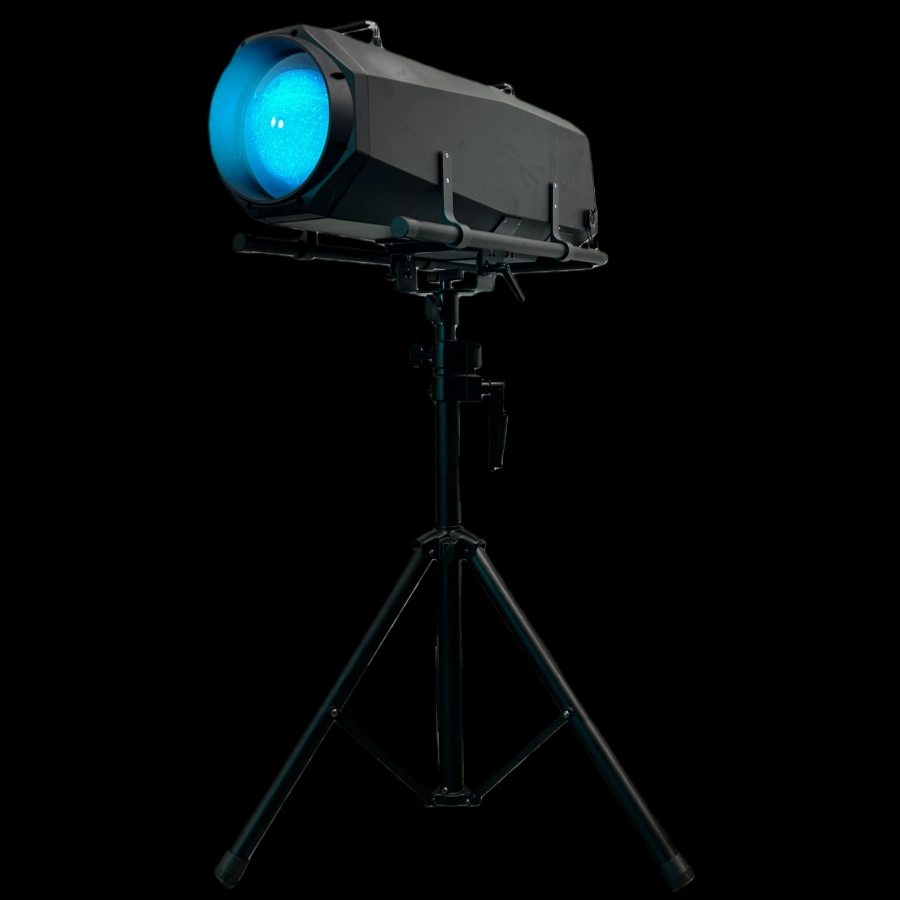
This 1200W waterproof LED follow spotlight with iris adjustment features strong light penetration, precise focusing, and smooth dimming with strobe effects.
Its rain- and dust-resistant design makes it suitable for outdoor performances, concerts, architectural lighting, and other applications. The LED light source boasts a long lifespan and stable, durable operation.
The Waterproof 1200W LED Follow Spot Light with Rotating Gobo features a rotating pattern sheet, delivering a powerful 1200W output for clear, focused beams and precise light tracking. Waterproof for outdoor use in all scenarios, the rotating pattern creates rich visual layers, making it ideal for large-scale indoor and outdoor performances, music festivals, light shows, and other events requiring focused attention and stage effects.
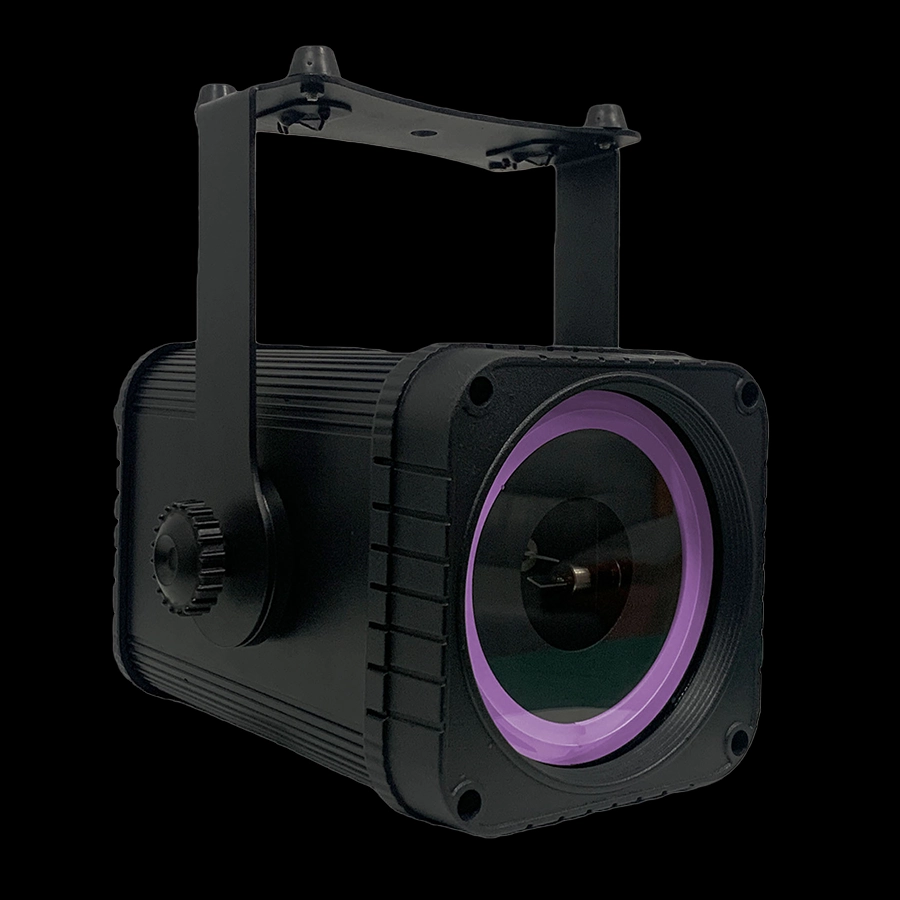
This IP65 waterproof 3W RGB animation laser battery light features an IP65 waterproof and dustproof design, making it suitable for both outdoor and indoor use. It supports rich RGB color combinations and dynamic animation effects, delivering a clear and fluid beam that can display text, patterns, and flowing light and shadow, among other visual representations.
Powered by a built-in battery, it requires no external power source, making it portable, easy to deploy, and simple to operate. Ideal for festive decorations, creating a garden atmosphere, and adding a touch of elegance to small events, it's energy-efficient, durable, and creates a truly immersive ambiance.
This IP65 waterproof 5W RGB animation laser battery light features an IP65 waterproof and dustproof design, making it suitable for both outdoor and indoor use. It supports rich RGB color combinations and dynamic animation effects, delivering a clear and fluid beam that can display text, patterns, and flowing light and shadow, among other visual representations.
Powered by a built-in battery, it requires no external power source, making it portable, easy to deploy, and simple to operate. Ideal for festive decorations, creating a garden atmosphere, and adding a touch of elegance to small events, it's energy-efficient, durable, and creates a truly immersive ambiance.
If you have any comments or good suggestions, please leave us a message, later our professional staff will contact you as soon as possible.
Lighting Innovators
Uplus Lighting is a leading integrated company specializing in R&D, design, production, and sales of stage lighting solutions.
 Scan QR Code
Facebook
Instagram
YouTube
VK