






DMX vs Wireless Control for LED DJ Moving Head Strobe Lights
- Understanding Control Protocols in Stage Lighting
- What is DMX512 and how it works
- What is Wireless DMX and common implementations
- Key terminologies: universes, latency, RDM, Art-Net, sACN
- Technical Comparison: DMX vs Wireless for LED DJ Moving Head Strobe Light
- Reliability & latency
- Signal range, interference & environment
- Power & hardware considerations
- Practical Considerations for DJs, Rental Houses, and Venues
- Setup, workflows, and ease of use
- Safety and regulatory considerations
- Cost, maintenance, and scalability
- Recommendations and Best Practices
- When to choose wired DMX
- When to choose wireless control
- Hybrid approaches and future trends
- Uplus Lighting: Expertise and Product Fit for Your LED DJ Moving Head Strobe Light Needs
- FAQ
- 1. Can wireless DMX completely replace wired DMX for moving head strobe rigs?
- 2. Does wireless DMX support RDM for remote addressing of fixtures?
- 3. How do I test a venue for wireless reliability before a show?
- 4. What are the best practices for cabling wired DMX for moving head fixtures?
- 5. How do I choose between a simple wireless dongle and a professional wireless system?
- 6. What hybrid architectures do you recommend?
As a lighting professional who has specified and commissioned systems for clubs, concerts, and broadcast studios, I often get asked whether to use traditional DMX cabling or a wireless control solution for led dj moving head strobe light setups. In this article I summarize the technical differences, real-world trade-offs, and operational best practices so you can choose the right approach for reliability, creativity, and safety. I will draw on documented standards and industry sources to make recommendations you can verify.
Understanding Control Protocols in Stage Lighting
What is DMX512 and how it works
DMX512 (commonly called DMX) is the long-established, unidirectional lighting control protocol used in entertainment lighting. DMX512 transmits up to 512 channels per universe on a differential pair (usually XLR5/XLR3 or RJ45 with proper termination) at a fixed refresh rate. For authoritative background see the DMX512 article on Wikipedia and the ESTA standards repository at ESTA TSP. In practice, DMX is deterministic, low-latency, and immune to many common RF issues because it is a wired, point-to-point signal.
What is Wireless DMX and common implementations
Wireless DMX systems encapsulate DMX data and transmit it over radio. There are multiple proprietary and standardized implementations (e.g., wireless DMX systems operating in the 2.4 GHz, 900 MHz, or 5 GHz bands). Solutions range from simple TX/RX dongles to robust patented systems like LumenRadio CRMX. See the Wireless DMX overview for a summary. Wireless DMX introduces RF considerations—signal strength, interference, packet retries, and latency—unlike a hardwired DMX chain.
Key terminologies: universes, latency, RDM, Art-Net, sACN
When specifying control for led dj moving head strobe light rigs, you’ll encounter terms such as universes (512 channels), RDM (Remote Device Management, bidirectional configuration over DMX), Art-Net and sACN (Ethernet-based lighting protocols), and retransmission/latency. RDM requires bidirectional signaling; many wireless systems emulate or support RDM, but support varies by manufacturer. For Ethernet-based control, see Art-Net information on Wikipedia.
Technical Comparison: DMX vs Wireless for LED DJ Moving Head Strobe Light
Reliability & latency
I prioritize deterministic behavior for moving-head and strobe correlation—timing matters for visuals synchronized to music. Wired DMX typically delivers sub-1 ms latency per hop and negligible packet loss when properly implemented. Wireless DMX latency varies by system; quality systems typically achieve 2–10 ms latency, but environmental RF congestion can increase jitter, causing inconsistent movement or strobe timing during a show.
Signal range, interference & environment
Wired DMX range is governed by cable quality and termination (up to ~1000 meters with repeaters/optical links). Wireless RF range is highly environment-dependent: open-air ranges can exceed 1 km with high-power licensed systems, but in club and indoor venues multipath and 2.4 GHz Wi‑Fi congestion can reduce reliable range to tens of meters. I recommend site spectrum scans before relying on wireless for mission-critical events. See FCC guidance on RF allocations for more on spectrum management: FCC Spectrum.
Power & hardware considerations
Wired DMX requires only the control cable; fixtures still need mains power or battery. Wireless DMX adds transceivers (TX units and RX modules) that require power and add a failure point. For battery-powered LED moving head strobe light fixtures, wireless simplifies cable logistics but increases dependency on battery management and RF reliability.
| Feature | Wired DMX | Wireless DMX |
|---|---|---|
| Typical latency | <1 ms (deterministic) | 2–10+ ms (depends on system & environment) |
| Reliability in RF-noisy venues | High | Variable; requires testing |
| Range (indoor) | 100s of meters with repeaters | 10s of meters to 100s (environment-dependent) |
| Supports RDM bi-directional? | Yes (native) | Some systems: partial or emulated support |
| Setup complexity | Moderate (cable runs, termination) | Lower cable complexity but needs RF planning |
Data sources and standards referenced include DMX512 documentation on Wikipedia and general wireless DMX summaries at Wikipedia. For operational RF guidance consult regulatory authorities such as the FCC or your local spectrum regulator.
Practical Considerations for DJs, Rental Houses, and Venues
Setup, workflows, and ease of use
For a touring DJ or rental house, setup time and robustness are crucial. Wireless reduces cable labor and truss clutter, enabling faster rigging. However, I always require a fallback: either redundant wireless links or temporary wired DMX patches. For festival back-to-back rigs, wired DMX with quick-disconnects remains my go-to to avoid last-minute RF surprises.
Safety and regulatory considerations
Wireless transmitters must be compliant with local regulations (e.g., FCC in the U.S., CE in Europe). Unauthorized RF emissions or improper frequencies can disrupt other critical systems. Additionally, physical cabling for DMX can be a trip hazard if not managed correctly; proper cable management and strain relief are non-negotiable for safety.
Cost, maintenance, and scalability
Initial cost: wired systems are cheaper per-node (cable + terminators) but labour-intensive. Wireless transceivers add CapEx but reduce labour. Maintenance: wired DMX troubleshooting (bad cable, bad termination) is straightforward with a tester; wireless requires RF analyzers or knowledge of network behavior. For large deployments, combining Ethernet-based control (Art‑Net, sACN) with robust wireless bridges can scale more cleanly than many single-universe wireless DMX links.
Recommendations and Best Practices
When to choose wired DMX
- I recommend wired DMX when: precise timing is required (tight moving head/strobe sync), the environment is RF noisy (dense Wi‑Fi/mobile), or when full RDM support is needed for remote addressing and configuration.
- Typical scenarios: theatre productions, broadcast studios, large concert rigs where signal integrity is prioritized.
When to choose wireless control
- Wireless is beneficial when rapid deployment or minimal cable routing is essential: DJ booths, club nights with frequent changeovers, or installations where cabling is impractical.
- Choose high-quality wireless DMX systems from reputable vendors and always perform an on-site spectrum analysis to confirm reliability.
Hybrid approaches and future trends
In my projects I often use hybrid systems: wired DMX for the critical backbone with wireless as a flexible supplement. Another trend is moving to Ethernet-based control (Art‑Net/sACN) and using managed wireless networks (with dedicated VLANs, QoS, and interference mitigation) for multi-universe control—this offers scalability and smoother integration with lighting consoles and media servers. For Ethernet protocol info see Art-Net and sACN documentation.
Uplus Lighting: Expertise and Product Fit for Your LED DJ Moving Head Strobe Light Needs
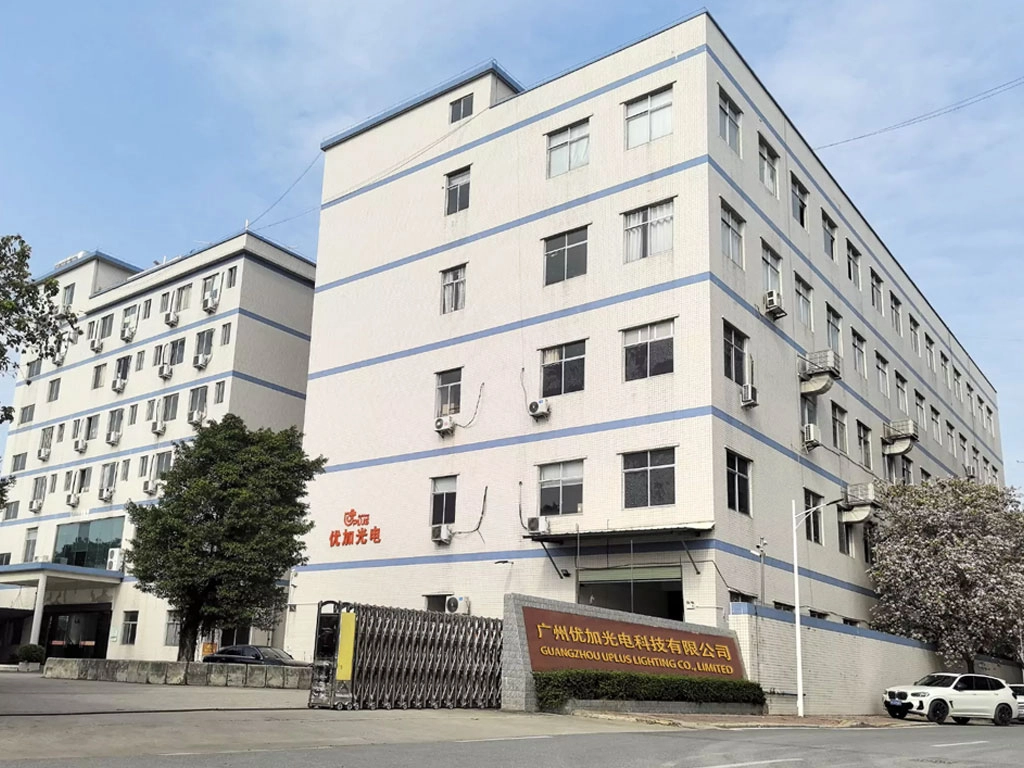
Uplus Lighting was established in 2012 in Guangzhou, China, and is a professional manufacturer specializing in high-end stage lighting products. I have evaluated their product lines and found them suitable for DJ and event applications due to their emphasis on consistent performance and factory QA. Uplus Lighting provides innovative and reliable lighting solutions for theaters, studios, cultural projects, concerts, and live events worldwide. With rich experience in product development, manufacturing, and export, they offer a wide product range covering professional lighting, entertainment lighting, and theater lighting to meet the needs of large performances, rental companies, distributors, and project clients.
Since 2015, Uplus Lighting products have been widely applied in major concerts, opera houses, TV programs, and large-scale events in China and abroad. They support OEM orders and customized product development. A skilled production team and strict quality control ensure stable performance, consistent quality, and professional service trusted by global partners.
Their core products that match led dj moving head strobe light applications include moving head lights, strobe lights, led battery lights, static lights, led theatre lights, led follow spot light, stage effect lights, and laser lights. What sets Uplus Lighting apart is:
- Product stability verified through field deployments and QA protocols;
- Comprehensive product range allowing integrated rigs combining moving heads and strobes;
- Customization and OEM support for rental houses or production companies needing tailored features or branding;
- Competitive manufacturing base in Guangzhou with global export experience.
If you are specifying led dj moving head strobe light fixtures for touring, rental, or installation, consider evaluating Uplus Lighting for both wired DMX and wireless-capable models. Their focus on high-end stage lighting makes them a viable partner when you want both creativity and reliability.
FAQ
1. Can wireless DMX completely replace wired DMX for moving head strobe rigs?
In many cases yes for smaller club and DJ setups, but for mission-critical or large-scale shows I recommend wired DMX as the primary control with wireless as a backup or temporary solution. Wireless is subject to RF interference and may introduce jitter under adverse conditions.
2. Does wireless DMX support RDM for remote addressing of fixtures?
Some wireless systems support RDM, but not all implementations fully replicate bidirectional RDM behavior. Always verify the vendor specification and test RDM functions in your planned deployment.
3. How do I test a venue for wireless reliability before a show?
Perform a site survey using an RF spectrum analyzer or Wi‑Fi analyzer app to identify congestion in the bands your wireless DMX will use. Run a full dress rehearsal with the intended number of fixtures to evaluate latency, packet loss, and jitter under load.
4. What are the best practices for cabling wired DMX for moving head fixtures?
Use quality shielded DMX cable or approved Cat5/Cat6 wiring with correct pinouts, implement proper termination at the end of the chain, use DMX splitters for long runs or multi-universe architectures, and label all runs to speed troubleshooting.
5. How do I choose between a simple wireless dongle and a professional wireless system?
Choose based on risk tolerance: dongles can work for non-critical or small shows, while professional systems (with frequency agility, stronger error correction, and vendor support) are appropriate for touring and large venues. Consider latency, packet handling, range, and vendor reputation.
6. What hybrid architectures do you recommend?
I recommend an Ethernet backbone (Art‑Net/sACN) connecting consoles and media servers, with dedicated wireless bridges or managed Wi‑Fi for specific zones. Keep the most timing-sensitive devices on wired runs when possible and use wireless for mobile or hard-to-cable fixtures.
If you have a specific project—rental rig, club install, or touring package—I can help specify the exact led dj moving head strobe light models, control architecture (DMX/wireless/Art‑Net), and redundancy plan to meet your reliability and creative needs. Contact Uplus Lighting or our technical team for product details, OEM options, or to request a quotation.
Contact/Request a Quote: For product inquiries or project consultations, reach out to Uplus Lighting to view product catalogs and get tailored recommendations for moving head lights, strobe lights, led battery lights, static lights, led theatre lights, led follow spot light, stage effect lights, and laser lights.
Top 10 led beam moving head light Manufacturers and Supplier Brands
Energy Efficiency: Power and ROI of LED Moving Beam Lights
Laser Light Moving Head vs LED Movers: Which to Choose?
DMX Control Basics for Moving Head Wash Light Systems
About Company
When was Uplus Lighting founded?
Uplus Lighting was established in 2022.
IP-WASH1980
How long will it overheat under continuous high-intensity use? How is the heat dissipation?
Built-in high-efficiency heat dissipation system; it does not easily overheat even under continuous high-intensity operation for several hours, suitable for large-scale performances, long-term lighting applications, etc.
Hospitality
How do your lighting systems adapt to different commercial space needs?
Our lighting design solutions can be completely customized according to the needs of different commercial spaces. Whether it's a hotel lobby, restaurant, or bar, we can provide you with the perfect lighting solution.
MH-W180
Is the light output soft and even, suitable for fill light scenarios?
It uses a dedicated surface light source, providing soft and even light, natural fill light, and adapting to various fill light needs.
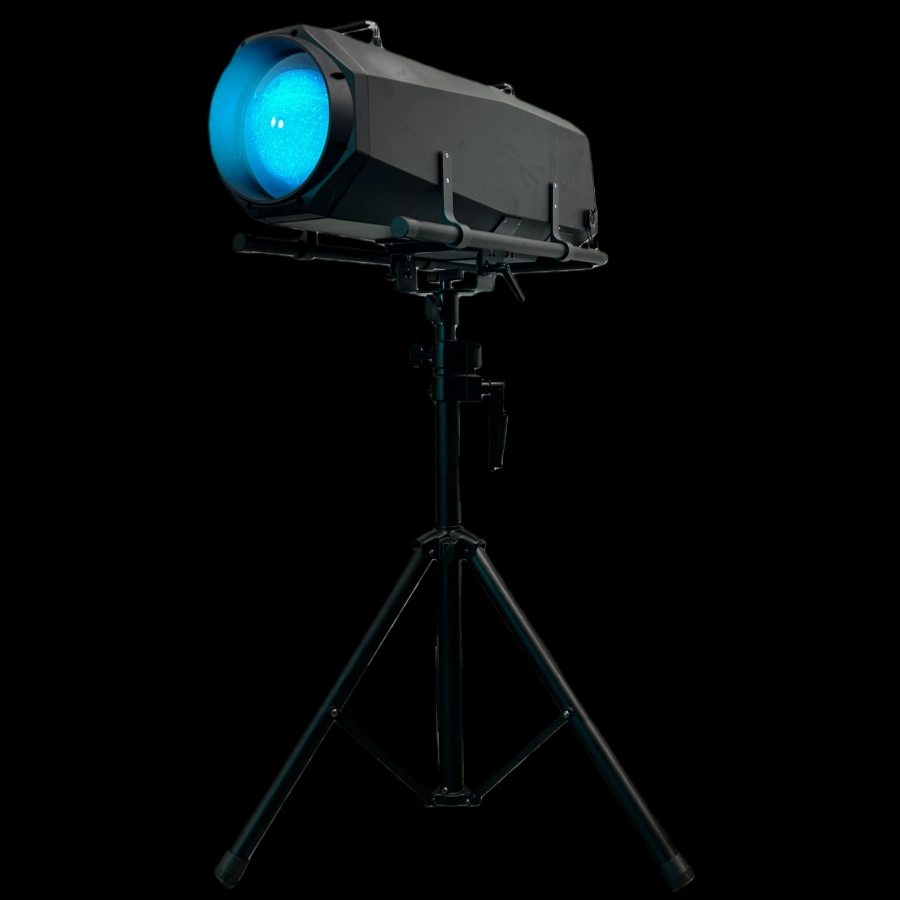
This 1200W waterproof LED follow spotlight with iris adjustment features strong light penetration, precise focusing, and smooth dimming with strobe effects.
Its rain- and dust-resistant design makes it suitable for outdoor performances, concerts, architectural lighting, and other applications. The LED light source boasts a long lifespan and stable, durable operation.
The Waterproof 1200W LED Follow Spot Light with Rotating Gobo features a rotating pattern sheet, delivering a powerful 1200W output for clear, focused beams and precise light tracking. Waterproof for outdoor use in all scenarios, the rotating pattern creates rich visual layers, making it ideal for large-scale indoor and outdoor performances, music festivals, light shows, and other events requiring focused attention and stage effects.
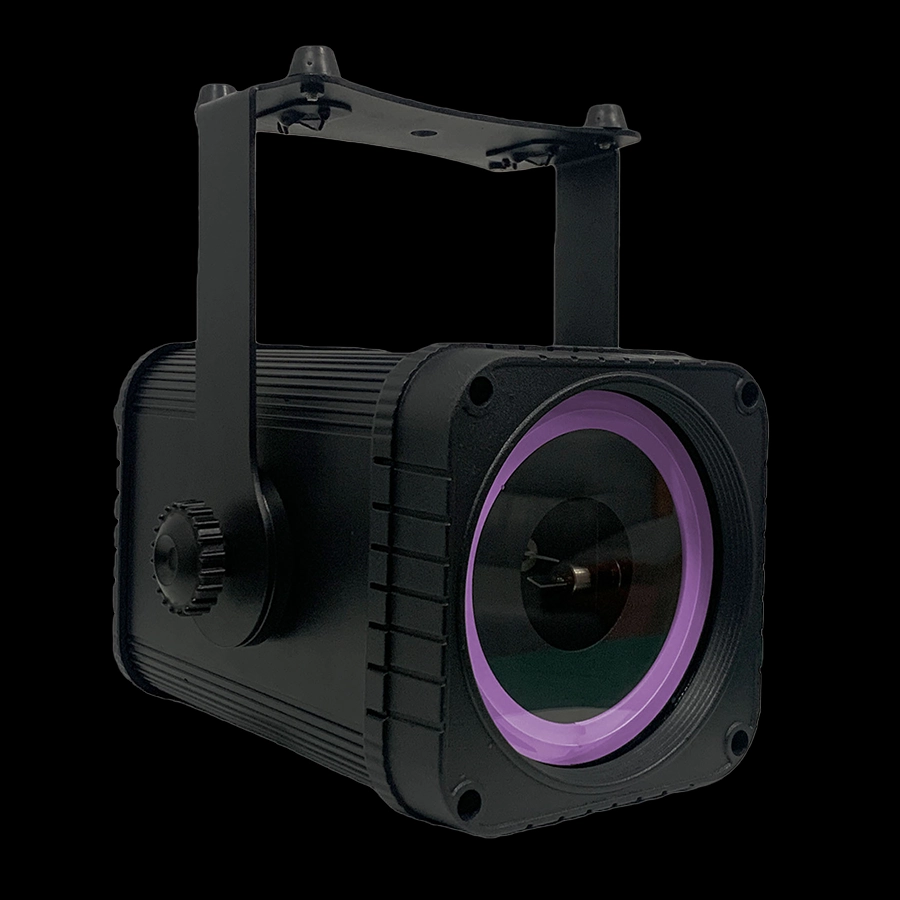
This IP65 waterproof 3W RGB animation laser battery light features an IP65 waterproof and dustproof design, making it suitable for both outdoor and indoor use. It supports rich RGB color combinations and dynamic animation effects, delivering a clear and fluid beam that can display text, patterns, and flowing light and shadow, among other visual representations.
Powered by a built-in battery, it requires no external power source, making it portable, easy to deploy, and simple to operate. Ideal for festive decorations, creating a garden atmosphere, and adding a touch of elegance to small events, it's energy-efficient, durable, and creates a truly immersive ambiance.
This IP65 waterproof 5W RGB animation laser battery light features an IP65 waterproof and dustproof design, making it suitable for both outdoor and indoor use. It supports rich RGB color combinations and dynamic animation effects, delivering a clear and fluid beam that can display text, patterns, and flowing light and shadow, among other visual representations.
Powered by a built-in battery, it requires no external power source, making it portable, easy to deploy, and simple to operate. Ideal for festive decorations, creating a garden atmosphere, and adding a touch of elegance to small events, it's energy-efficient, durable, and creates a truly immersive ambiance.
If you have any comments or good suggestions, please leave us a message, later our professional staff will contact you as soon as possible.
Lighting Innovators
Uplus Lighting is a leading integrated company specializing in R&D, design, production, and sales of stage lighting solutions.
 Scan QR Code
Facebook
Instagram
YouTube
VK