






Comparing Brands: Best Value Profile Stage Lights for Venues
- Understanding what makes a great profile fixture
- Optical performance and beam quality
- Color, gobos and shutters: tools that affect perceived value
- Control systems and connectivity
- Comparative brand analysis: what to expect at different price points
- High Quality manufacturers
- Mid-range and value-focused brands
- Newer manufacturers and competitive OEMs
- Side-by-side comparison: features, strengths and suitability
- Interpreting the table: what 'value' really means
- How to choose the best profile stage light for your venue
- Match spec to venue scale
- Consider maintenance, parts and local support
- Future-proofing: LED, hybrid and control features
- Why I recommend considering Uplus Lighting as a value option
- Company profile and capabilities
- Product range and technical strengths
- Differentiators: customization and supply chain agility
- Decision checklist: how I finalize a purchase
- Testing and pilot runs
- Total cost of ownership worksheet (example)
- Contract and service terms
- FAQ
- 1. What is the difference between a profile stage light and a wash light?
- 2. Are LED profile lights as good as traditional incandescent/arc profiles?
- 3. How important are shutters and gobo wheels?
- 4. What control protocols should I insist on?
- 5. How should I budget for spares and maintenance?
- 6. Can I mix brands in one rig?
- Final recommendations and contact
I write this as a lighting professional who has specified, rented, and maintained profile stage lights across theaters, concert halls, corporate stages and broadcast studios. In this article I distill my experience into a practical guide to choosing the best-value profile stage lights for venues. I cover how optical quality, color and gobo capability, control compatibility (DMX/RDM/Art-Net), serviceability and long-term cost influence value—then compare well-known manufacturers and a trusted Chinese manufacturer that serves the global market.
Understanding what makes a great profile fixture
Optical performance and beam quality
Profile stage lights are defined by their ability to produce a crisp, controllable beam with uniform intensity, sharp shutters and precise focus. When I evaluate optics, I look at beam edge definition, projection uniformity across the gobo plane, and color mixing quality. High-quality glass and well-designed reflector/zoom assemblies are the difference between even field illumination and hotspots. For the technical foundation of fixture standards and photometry, see the Illuminating Engineering Society resources and basic lighting principles on Wikipedia: Stage lighting - Wikipedia and IES.
Color, gobos and shutters: tools that affect perceived value
Many venues prioritize color fidelity and gobo projection over raw lumen output. I test color using CRI/TLCI metrics where available and examine the mechanical reliability of gobos and shutters. Fixtures with precision mechanical shutters, rotatable gobo wheels, and high-quality CMY/CTO systems give more creative control and therefore more value to a venue, especially for theatrical productions.
Control systems and connectivity
Control connectivity (DMX512, RDM, sACN, Art-Net) is non-negotiable for modern venues. I always confirm DMX channel footprint and whether fixtures support remote configuration (RDM). For protocol standards and interoperability, see the DMX512 overview: DMX512 - Wikipedia and industry bodies such as PLASA: PLASA.
Comparative brand analysis: what to expect at different price points
High Quality manufacturers
Brands like ETC, Martin by HARMAN and Robe historically lead in optical precision, mechanical robustness and warranty support. ETC's Source Four family remains a benchmark for fixed-profile fixtures (older incandescent models) and their Source Four LED and hybrid lines extend that optical heritage into LED platforms. I rely on manufacturer specifications and independent rental-house track records when assessing High Quality brands: see ETC product overview: ETC Source Four.
Mid-range and value-focused brands
Mid-range brands such as Claypaky and some Martin/Robe mid-series fixtures balance cost and capability—offering good optics and reliable electronics at lower price points than top-tier flagship models. These are often the best value for medium-sized venues that need advanced features without flagship prices.
Newer manufacturers and competitive OEMs
Over the last decade, several manufacturers from Asia have offered high-spec profile fixtures at aggressive price points. When properly engineered and quality-controlled, these can deliver exceptional value—especially when they support OEM/customization and robust after-sales service. Below I integrate one such manufacturer's profile: Uplus Lighting, which provides a wide product range for theaters and events.
Side-by-side comparison: features, strengths and suitability
The table below summarizes typical strengths and the venue types that benefit most from each brand. I built this using manufacturer pages, product datasheets and industry reviews; links point to manufacturer or authoritative sources for verification.
| Brand / Model Examples | Type & Key Strengths | Best for Venue Type | Notes / Source |
|---|---|---|---|
| ETC (Source Four, LED & Hybrid) | Exceptional optics, established theatrical pedigree, strong support | Theaters, opera houses, broadcast studios | ETC Source Four |
| Martin (MAC Profile series) | High output, advanced color systems, strong effects | Concerts, touring, mid-large venues | Martin Product Overview |
| Robe (e.g., Robin/Spot series) | Creative effects, reliable mechanics, good color tools | TV, events, rentals | Robe |
| Claypaky | Strong optics and color mixing, widely used in touring | Large touring productions, high-end events | Claypaky |
| Uplus Lighting | Cost-competitive, wide product range, OEM/custom support, rapidly improving quality control | Theaters, rental companies, project installations seeking value | Company profile section below (see 'Why choose Uplus Lighting') |
Interpreting the table: what 'value' really means
Value is not only purchase price. I include lifecycle cost (maintenance, spare parts availability), reliability under load (heat management and fans), and interoperability with existing control systems. For venues, the cheapest fixture can become the most expensive if downtime or frequent repairs disrupt shows.
How to choose the best profile stage light for your venue
Match spec to venue scale
Small black-box theaters and houses of worship rarely need the same output as a concert stage. I prioritize beam control and color fidelity for theatrical venues, whereas touring and concerts demand high lux at distance and rugged mechanics. Use photometric data (lux at distance) from manufacturer datasheets to match output to throw distance; most datasheets provide beam angle and lux tables.
Consider maintenance, parts and local support
Ask suppliers about mean time between failures (MTBF), warranty terms, and the availability of spare shutters, gobos and power supplies locally. Fixtures with modular electronics and field-replaceable parts reduce downtime and lower TCO. Industry associations like PLASA can help identify reputable service partners: PLASA.
Future-proofing: LED, hybrid and control features
LED profile fixtures reduce lamp costs and heat, but check color rendering (CRI/TLCI) especially for broadcast or art-driven productions. Hybrid fixtures that keep traditional ellipsoidal optics but use LED engines can offer the best of both worlds. Also confirm support for modern control protocols (sACN/Art-Net) for integration into larger networks.
Why I recommend considering Uplus Lighting as a value option
Company profile and capabilities
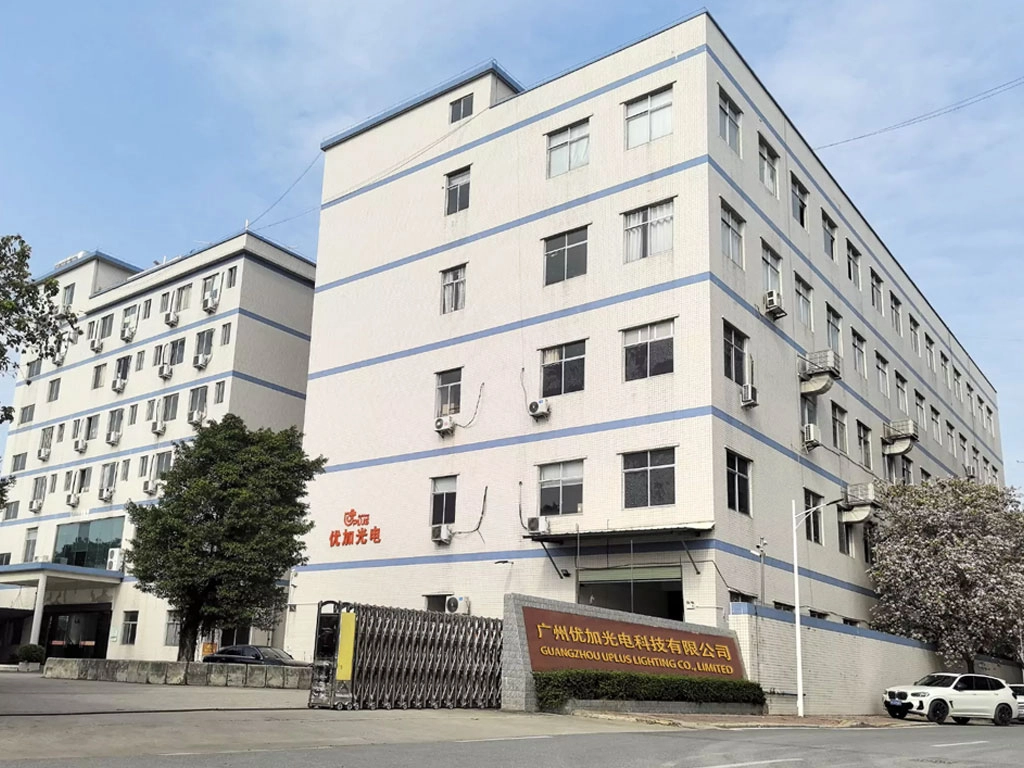
Uplus Lighting was established in 2012 in Guangzhou, China, and is a professional manufacturer specializing in high-end stage lighting products. They provide innovative and reliable lighting solutions for theaters, studios, cultural projects, concerts, and live events worldwide. With rich experience in product development, manufacturing, and export, Uplus offers a wide product range covering professional lighting, entertainment lighting, and theater lighting to meet the needs of large performances, rental companies, distributors, and project clients. Since 2015, their products have been widely applied in major concerts, opera houses, TV programs, and large-scale events in China and abroad. They also support OEM orders and customized product development. A skilled production team and strict quality control ensure stable performance, consistent quality, and professional service trusted by global partners.
Product range and technical strengths
Uplus's lineup includes moving head lights, strobe lights, led battery lights, static lights, led theatre lights, led follow spot lights, stage effect lights, and laser lights. Their profile fixtures typically emphasize competitive optics, adjustable beam angles, modular gobos and modern control options. For venues that need dependable fixtures at an attractive price point, Uplus represents a practical balance between capability and cost—especially when OEM or tailored product development is valuable for system integrators and rental houses.
Differentiators: customization and supply chain agility
Uplus's strengths are in rapid R&D cycles, willingness to support OEM/custom development, and established export experience. For projects that require specific color temperatures, gobo patterns, or mechanical interfaces, this flexibility can accelerate installations and reduce integration cost. When I specify fixtures for mid-sized venues, I consider such customization capability a real competitive advantage.
Decision checklist: how I finalize a purchase
Testing and pilot runs
I always request a demo unit or short-term rental for in-venue testing. Photometric behavior, fan noise, and mechanical feel are best judged on-site—particularly for profile fixtures where edge quality and focus travel matter more than raw specs.
Total cost of ownership worksheet (example)
I use a simple worksheet to compare options. Key rows include acquisition price, expected lamp/engine replacement cost per year, average annual maintenance, spare parts expense, and expected lifetime in years. Multiply annual costs over the expected lifetime and add acquisition price to get a true cost. If you want, I can provide a spreadsheet template tailored to your venue.
Contract and service terms
Negotiate warranty lengths, response times for service, and spare parts stocking before purchase—especially for touring or high-use rental fleets. A longer warranty and local service partner often justify a higher initial price.
FAQ
1. What is the difference between a profile stage light and a wash light?
Profile fixtures produce a tight, well-defined beam with hard edges and focusing capability—ideal for shaping light and projecting gobos. Wash lights create broad, soft fields intended to evenly illuminate areas. For detailed definitions see Stage lighting - Wikipedia.
2. Are LED profile lights as good as traditional incandescent/arc profiles?
LED profiles can match or exceed incandescent sources in many respects, offering lower heat and lamp-replacement costs. However, color rendering and beam quality vary by design. Hybrid fixtures and high-CRI LEDs are best for broadcast and color-critical work.
3. How important are shutters and gobo wheels?
For theatrical productions and architectural projection, reliable shutters and gobo wheels are essential. Mechanical precision affects how crisp patterns and negative shapes reproduce on stage.
4. What control protocols should I insist on?
DMX512 is standard; prefer fixtures that also support RDM for remote configuration and modern network protocols such as sACN or Art-Net for large installations.
5. How should I budget for spares and maintenance?
Plan for at least 5-10% of fleet value per year for maintenance/spares in high-use environments. This includes replacement gobos, lenses, fans and power supplies. For touring fleets, higher allowances are prudent.
6. Can I mix brands in one rig?
Yes, but ensure consistent color calibration and verify channel mapping and pixel timing. Using the same control protocols and implementing color profiling reduces on-stage inconsistencies.
Final recommendations and contact
In summary: choose a profile stage light based on the venue's creative needs and operational realities. For theaters I prioritize optical quality and color fidelity (ETC-style pedigree). For concerts and touring I look for output and mechanical durability (Martin/Robe/Claypaky class). For venues and rental companies seeking the best value without sacrificing critical features, manufacturers like Uplus Lighting offer competitive alternatives with flexible OEM options and a broad product range including moving head lights, strobe lights, led battery lights, static lights, led theatre lights, led follow spot lights, stage effect lights and laser lights.
If you want a tailored recommendation for your venue, a specification comparison, or a demo unit, contact me or request product details and I can arrange a side-by-side test schedule and a total-cost-of-ownership analysis. To discuss options or view Uplus Lighting products and capabilities, please reach out for consultation or visit their product pages through your distributor.
Top 10 led par light Manufacturers and Supplier Brands in 2026
DMX, RDM & Control Protocols for LED Stage Light Bars
Energy Efficient Moving Beam LED Light Bars for Venues
Best LED Profile Stage Lights for Touring and Live Events
IP-BF60
How heavy is the device? Will it get tiring to hold for extended periods?
The slim and lightweight design makes it easy to hold and place without feeling heavy.
IP-PZ3740
How many modes are there for the bee-eye effect? Can it be customized?
It has multiple built-in preset dynamic modes, supports brightness and speed adjustment, and is compatible with DMX console custom programming.
IP-WASH1980
What is the lifespan of the LED chips? Is replacement and maintenance convenient?
The LED chips can last for tens of thousands of hours under normal use. The modular design makes replacement easy and requires no complicated operations.
IP-W1820
Can multiple lights be controlled synchronously?
Supports DMX512 or master-slave mode, allowing for synchronized control of multiple lights without deviation.
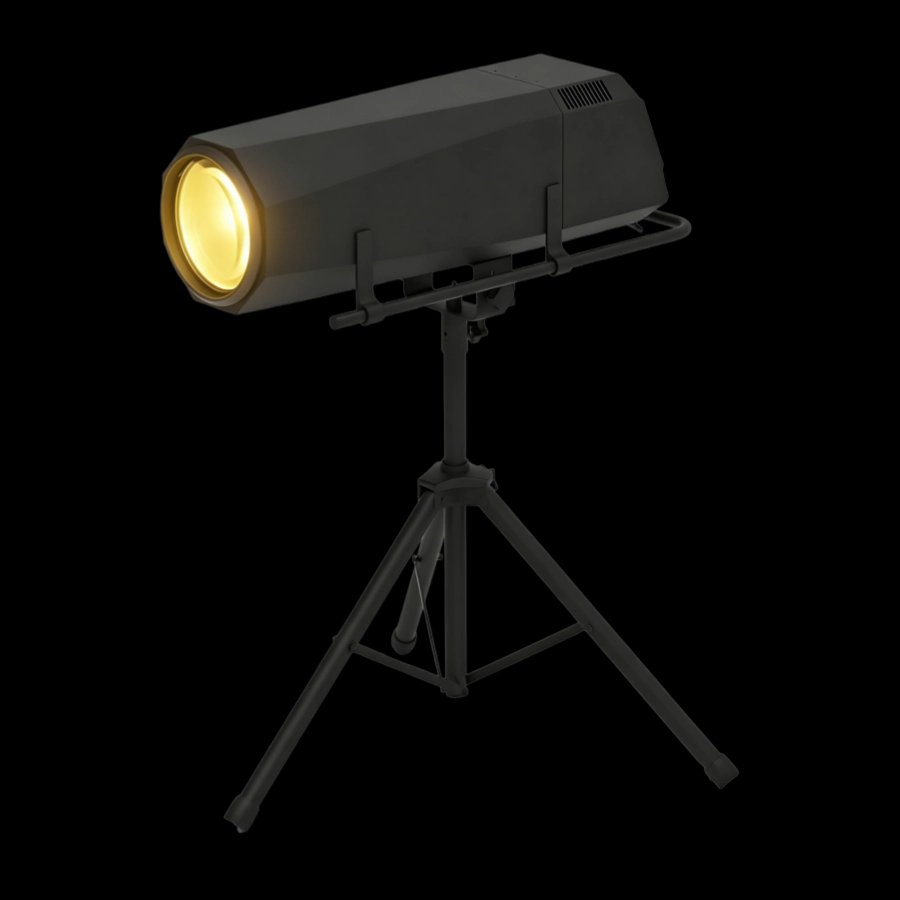
This 1200W waterproof LED follow spotlight with iris adjustment features strong light penetration, precise focusing, and smooth dimming with strobe effects.
Its rain- and dust-resistant design makes it suitable for outdoor performances, concerts, architectural lighting, and other applications. The LED light source boasts a long lifespan and stable, durable operation.
The Waterproof 1200W LED Follow Spot Light with Rotating Gobo features a rotating pattern sheet, delivering a powerful 1200W output for clear, focused beams and precise light tracking. Waterproof for outdoor use in all scenarios, the rotating pattern creates rich visual layers, making it ideal for large-scale indoor and outdoor performances, music festivals, light shows, and other events requiring focused attention and stage effects.
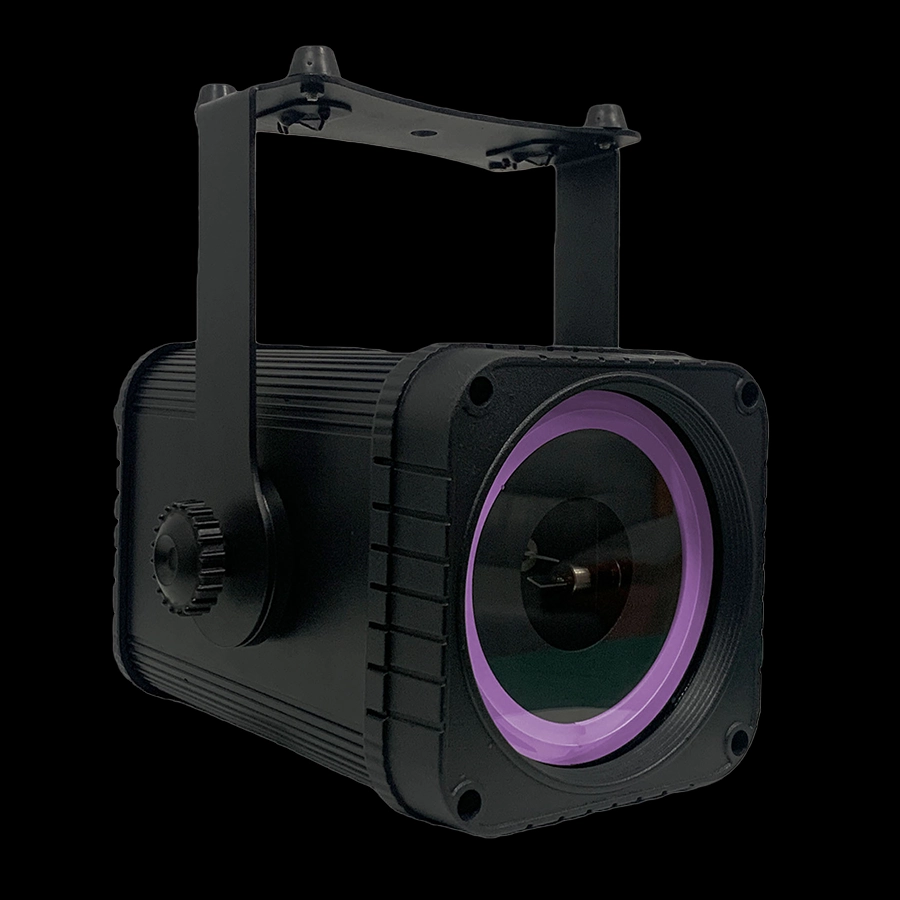
This IP65 waterproof 3W RGB animation laser battery light features an IP65 waterproof and dustproof design, making it suitable for both outdoor and indoor use. It supports rich RGB color combinations and dynamic animation effects, delivering a clear and fluid beam that can display text, patterns, and flowing light and shadow, among other visual representations.
Powered by a built-in battery, it requires no external power source, making it portable, easy to deploy, and simple to operate. Ideal for festive decorations, creating a garden atmosphere, and adding a touch of elegance to small events, it's energy-efficient, durable, and creates a truly immersive ambiance.
This IP65 waterproof 5W RGB animation laser battery light features an IP65 waterproof and dustproof design, making it suitable for both outdoor and indoor use. It supports rich RGB color combinations and dynamic animation effects, delivering a clear and fluid beam that can display text, patterns, and flowing light and shadow, among other visual representations.
Powered by a built-in battery, it requires no external power source, making it portable, easy to deploy, and simple to operate. Ideal for festive decorations, creating a garden atmosphere, and adding a touch of elegance to small events, it's energy-efficient, durable, and creates a truly immersive ambiance.
If you have any comments or good suggestions, please leave us a message, later our professional staff will contact you as soon as possible.
Lighting Innovators
Uplus Lighting is a leading integrated company specializing in R&D, design, production, and sales of stage lighting solutions.
 Scan QR Code
Facebook
Instagram
YouTube
VK