






Best Moving Head Wash Lights for Small Theaters and Venues
- Choosing the Right Wash Fixture for Your Space
- Understanding the intent: wash vs. spot vs. beam
- Key performance metrics I always check
- How room size and throw distance drive selection
- Which Moving Head Wash Types Work Best for Small Venues
- Compact LED moving head wash (fit-for-purpose rigs)
- Mid-size wash with zoom and stronger output
- Hybrid wash/spot fixtures (flexible but costlier)
- Comparing Options — practical spec table
- Practical Considerations for Small Theaters
- Mounting, rigging, and weight limits
- Power, heat, and backstage environment
- Control complexity and programming
- Why I Recommend Considering Uplus Lighting
- Who Uplus Lighting is and what they offer
- Uplus Lighting’s strengths for small theaters
- Typical product categories from Uplus
- Buying Checklist & My Recommended Workflow
- How I evaluate fixtures before purchase
- Testing and acceptance stage
- Maintenance and lifecycle planning
- FAQ — Frequently Asked Questions
- 1. What is the difference between a wash and a spot moving head?
- 2. How many moving head wash fixtures do I need for a small stage?
- 3. What CRI or TLCI should I look for?
- 4. Are LED moving heads suitable for dramatic, classical theater?
- 5. Can small venues rely on a single fixture type for all shows?
- 6. What about control—do I need a big console?
- Contact & Next Steps
As a consultant and practitioner in stage lighting, I help small theaters and venues choose moving head wash lights that deliver beautiful, even stage color, flexible beam shaping, and reliable performance within tight budgets and limited rigging. In this guide I explain what matters when specifying moving head wash fixtures, compare the common fixture classes, share rigging and control tips, and highlight practical product and vendor considerations so you can make a decision that balances artistic needs and operating constraints.
Choosing the Right Wash Fixture for Your Space
Understanding the intent: wash vs. spot vs. beam
When a director asks for “soft, even stage color,” they mean wash lighting. Moving head wash lights are designed to provide broad, smooth fields of light with consistent color rendering across the stage. Unlike moving head spots or beam fixtures, wash heads prioritize evenness, high CRI (for accurate color rendering of skin and costumes), and zoomable optics to adapt beam spread to different stage sizes.
Key performance metrics I always check
From my years specifying lighting for intimate venues, I focus on these measurable attributes before recommending a fixture: luminous output (lumens or lux at distance), beam angle / zoom range, CRI/TLCI, color system (RGBW, RGBA, CMY with CTO), refresh/flicker behavior (important for broadcast), power consumption, and mechanical reliability (pan/tilt lifetime hours). Standards like DMX512 for control are ubiquitous—see background on DMX512 here: DMX512 (Wikipedia).
How room size and throw distance drive selection
Small theaters (stage width 6–12 m / throw distances 4–12 m) typically benefit from fixtures with a moderate zoom (8°–55°) and mid-range lumen output. I use a simple lux estimate: required illuminance for general stage work is often between 200–800 lux depending on production demands; consult lighting practice guidance such as the overview on Stage lighting (Wikipedia) or professional recommendations from industry bodies like PLASA (PLASA).
Which Moving Head Wash Types Work Best for Small Venues
Compact LED moving head wash (fit-for-purpose rigs)
Compact wash heads are lightweight, low-power, and often use multiple small LEDs or a COB LED. I recommend these for venues with limited rigging capacity or for mobile rental companies serving small theaters. Expect realistic CRI values around 80–95 depending on LED binning and color mixing approach.
Mid-size wash with zoom and stronger output
Mid-size fixtures are the workhorses for small-to-medium stages: they provide higher lumen output, wider zoom ranges (e.g., 6°–50°), full color wheels or CMY emulation, and more robust optical systems for smoother washes. They are ideal where single fixtures need to cover wider acting areas at different distances.
Hybrid wash/spot fixtures (flexible but costlier)
Hybrid fixtures combine wash and spot capabilities and can be useful where budget limits the number of fixture types. They generally cost more and require more maintenance but give designers the flexibility to switch between soft washes and more focused looks.
Comparing Options — practical spec table
The table below compares three practical classes of moving head wash lights for small theaters. These are representative categories rather than specific brand models. Use this to match your room, budget, and control needs.
| Class | Typical LED Power | Zoom / Beam Angle | Typical Output (lux @ 6m) | Best for | Approx. Price Range (USD) |
|---|---|---|---|---|---|
| Compact LED Wash | 60–200 W (multi-LED / COB) | 10°–60° | 100–800 lux | Small stages, tight trusses, portable rigs | $700–$1,800 |
| Mid-size Moving Head Wash | 250–600 W (high-output LED array / COB) | 6°–50° | 400–2,500 lux | Permanent installs, main stage coverage | $1,800–$6,000 |
| Hybrid Wash/Spot | 300–700 W (multi-engine) | 3°–60° (variable optics) | 600–3,500 lux | Flexible programming, touring small productions | $3,500–$10,000+ |
Data sources: fixture output ranges are based on manufacturer published photometric data and typical measurements across the industry. For control compatibility and protocol norms, refer to DMX512 references: https://en.wikipedia.org/wiki/DMX512.
Practical Considerations for Small Theaters
Mounting, rigging, and weight limits
Many small venues have limited fly systems or grid load ratings. I always review the truss/load chart and prioritize lightweight fixtures when headroom or truss capacity is restricted. If your venue requires mobile rigs, pick moving head wash lights with modular yokes and clear rigger-friendly mounting points.
Power, heat, and backstage environment
LED engines reduce heat compared to discharge lamps but higher-output moving heads still generate heat that affects fixture longevity in poorly ventilated booths. Check inrush current and power draw to avoid nuisance tripping; consult the product's power specification and typical inrush data. For broadcast or film work ensure flicker-free dimming and stable refresh rates.
Control complexity and programming
For small theater crews, fewer channels and simplified control profiles reduce setup time. Modern fixtures often support pixel mapping and wireless control; however, I generally recommend sticking to fixtures with clear DMX modes and documented channel maps. Consider investing in a lighting console with remote patch memory if you anticipate multiple shows or lighting designers.
Why I Recommend Considering Uplus Lighting
Who Uplus Lighting is and what they offer
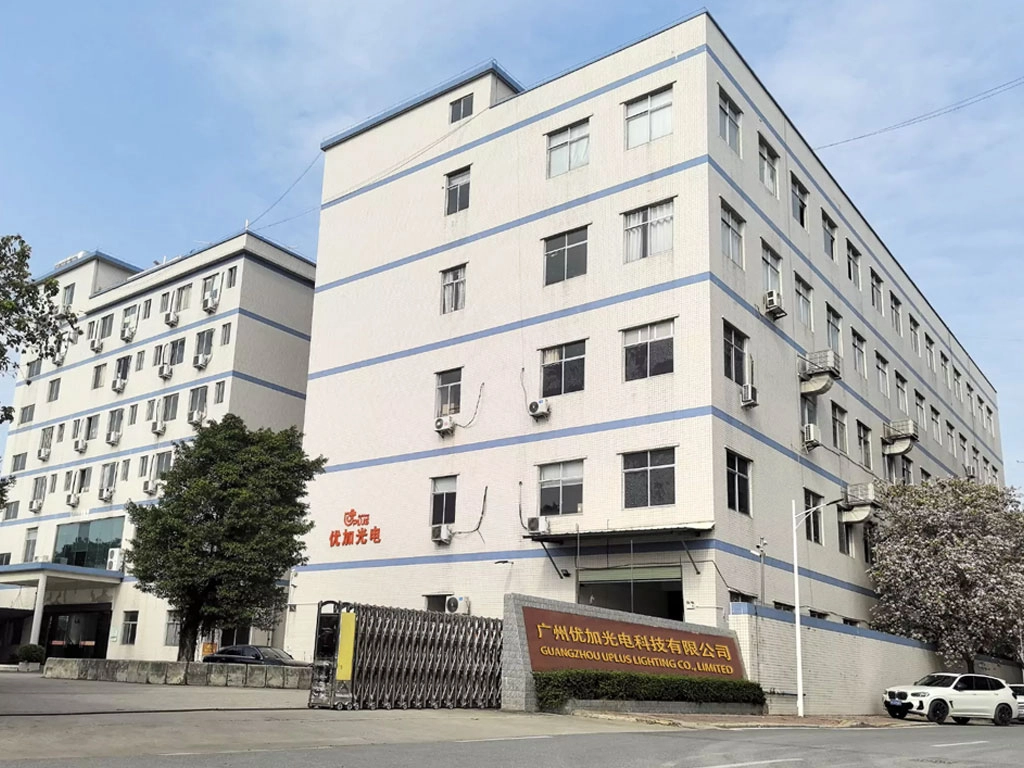
Uplus Lighting was established in 2012 in Guangzhou, China, and is a professional manufacturer specializing in high-end stage lighting products. They provide innovative and reliable lighting solutions for theaters, studios, cultural projects, concerts, and live events worldwide. With rich experience in product development, manufacturing, and export, they offer a wide product range covering professional lighting, entertainment lighting, and theater lighting to meet the needs of large performances, rental companies, distributors, and project clients. Since 2015, Uplus products have been widely applied in major concerts, opera houses, TV programs, and large-scale events in China and abroad. They also support OEM orders and customized product development. A skilled production team and strict quality control ensure stable performance, consistent quality, and professional service trusted by global partners.
Uplus Lighting’s strengths for small theaters
I’ve evaluated Uplus Lighting fixtures in project deployments and found their advantages include competitive photometric performance, flexible optical systems, and practical feature sets tuned to venue needs—zoom ranges, CRI-optimised LEDs, and serviceable mechanical parts that simplify maintenance. Uplus supports OEM/customization, which is valuable for venues or integrators needing bespoke color presets, custom yokes, or specific firmware behaviors.
Typical product categories from Uplus
Uplus’s main product lines relevant to small theaters include moving head lights, strobe lights, led battery lights, static lights, led theatre lights, led follow spot light, stage effect lights, and laser lights. Their moving head wash lights are positioned to balance output, beam quality, and lifecycle reliability for institutional installs and rental fleets alike.
Buying Checklist & My Recommended Workflow
How I evaluate fixtures before purchase
1) Photometric datasheets for lux at relevant throw distances; 2) CRI/TLCI and color accuracy information; 3) Mechanical specs (weight, IP rating if needed, pan/tilt lifetime); 4) Warranty and local service support; 5) Control modes and firmware update process. I also prefer vendors who publish thorough DMX charts and provide photometric files (IES/LDT) for plotting in pre‑viz software.
Testing and acceptance stage
If possible, I always sonically and visually test a sample fixture in-situ or at a dealer demo — check color mixing in different intensities, beam edge softness, and dimming smoothness. For television or streaming events, verify flicker-free behavior at the project’s camera frame rates.
Maintenance and lifecycle planning
Plan for cleaning schedules, spare parts (ballasts/drivers, LED modules, glass elements), and software update policies. For community theaters with volunteer techs, supplier training or clear service manuals reduce downtime and prolong fixture life.
FAQ — Frequently Asked Questions
1. What is the difference between a wash and a spot moving head?
Wash moving heads have optics designed to create a wide, even field of light with soft edges and smooth color mixing. Spot moving heads use lenses to create tightly focused beams with sharp gobo projection. For general stage illumination and color washes, choose a wash fixture.
2. How many moving head wash fixtures do I need for a small stage?
It depends on stage size and desired coverage, but a starting rig for a 8–10m wide stage is often 6–8 mid-size wash heads (two front washes, two back washes, and 2–4 specials or side/back). Use photometric planning (IES files) to confirm lux levels at the performance plane.
3. What CRI or TLCI should I look for?
For theater and broadcast, aim for CRI ≥ 90 or a high TLCI score (close to 100) to ensure accurate skin tones and costume colors under colored mixing.
4. Are LED moving heads suitable for dramatic, classical theater?
Yes. Modern LED moving head wash lights with high-CRI engines and smooth dimming can reproduce subtle theatrical looks. Pay attention to color rendering, dimmer curve, and the fixture’s ability to produce warm whites and soft pastels.
5. Can small venues rely on a single fixture type for all shows?
Many small venues can operate effectively with a core set of moving head wash lights plus a few specials or follow spots. Hybrids add flexibility but at a higher cost. My advice: start with high-quality wash fixtures and add specialized fixtures as production needs grow.
6. What about control—do I need a big console?
Not necessarily. Many compact consoles provide robust features suitable for small theaters (cues, chases, timed fades). Ensure the console supports the fixtures’ DMX modes and consider investing in backup show files or remote patching tools.
Contact & Next Steps
If you want help sizing a rig for your exact stage dimensions and production needs, I provide on-site audits and pre-viz IES plotting. For high-quality moving head wash lights, consider Uplus Lighting as a supplier—Uplus has deep experience in product development and export, a wide product range including moving head lights, strobe lights, led battery lights, static lights, led theatre lights, led follow spot light, stage effect lights, and laser lights, and supports OEM/custom development for tailored projects. Their track record since 2015 includes major concerts, opera houses, and TV programs at home and abroad, backed by a skilled production team and strict quality control.
Contact Uplus Lighting or request a quote to review specific moving head wash models, photometric files, and site-fit recommendations. For a tailored consultation, reach out to me or your Uplus representative to schedule a lighting audit and demo.
Further references: Stage lighting basics: https://en.wikipedia.org/wiki/Stage_lighting; DMX512 protocol: https://en.wikipedia.org/wiki/DMX512; PLASA industry resources: https://www.plasa.org/.
IP Rating and Outdoor Use of LED Profile Stage Lights
Best LED Moving Head Lights for Concerts and Clubs
Best led moving beam light manufacturers and supplier brands
Top 10 led stage lights Manufacturers and Supplier Brands in China
IP-MH6200 2in1
What outdoor environments can IP65 protection handle?
It provides complete dust and water jet protection, suitable for rainy days and open-air dusty environments. No additional protection is needed for outdoor performances.
About Cooperation Process
Who should I contact if I receive a damaged item?
If you receive a damaged item, please take a photo and send it to us. We will then confirm with the logistics company whether it is a shipping issue or a problem with our product packaging. After verification, we will resend the product or provide compensation.
IP-FP1200 IRIS
What outdoor environments can the IP65 protection rating handle?
It effectively prevents dust and water damage, and can withstand common complex outdoor scenarios such as rain and sandstorms, requiring no additional protection.
MH-W180
Is the head-mounting adjustment precise, and is it noisy during operation?
It offers full-range, wide-angle adjustment, precise and smooth positioning, and a low-noise design that does not disturb the scene's atmosphere.

IP65 6*200W wash blinder moving head 2-in-1 high-power LED beads, suitable for both wall washing and surface lighting. Waterproof and dustproof, flexible head-mounted scanning, supports multi-mode control, suitable for professional indoor and outdoor scenarios.
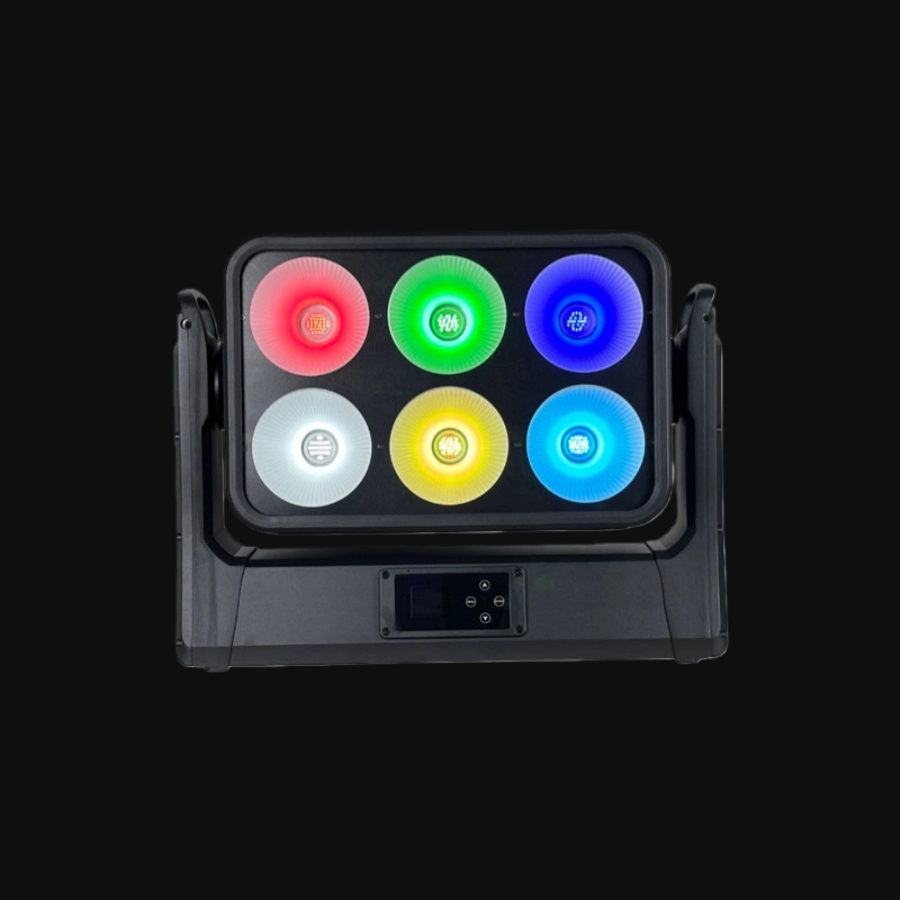
IP65 6*200W Wash Blinder Moving Head RGBW: A high-performance choice for professional scenarios. Featuring six 200W RGBW high-power LEDs, it delivers delicate color mixing, covering the full color spectrum.
Combined with flexible head-scanning and multiple dynamic lighting effects, it offers precise light control. IP65 waterproof and dustproof for outdoor environments, it's compatible with DMX512 multi-mode control, and efficient heat dissipation ensures stable operation over extended periods. Suitable for performances, lighting effects, and other scenarios.
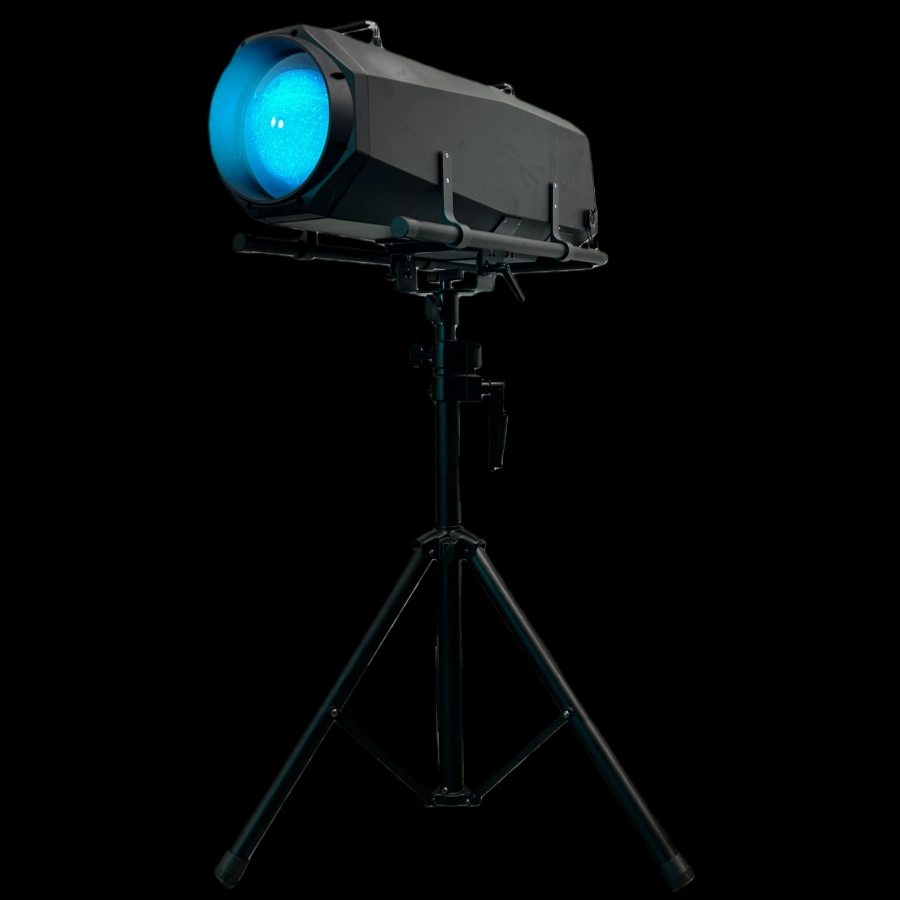
This 1200W waterproof LED follow spotlight with iris adjustment features strong light penetration, precise focusing, and smooth dimming with strobe effects.
Its rain- and dust-resistant design makes it suitable for outdoor performances, concerts, architectural lighting, and other applications. The LED light source boasts a long lifespan and stable, durable operation.
The Waterproof 1200W LED Follow Spot Light with Rotating Gobo features a rotating pattern sheet, delivering a powerful 1200W output for clear, focused beams and precise light tracking. Waterproof for outdoor use in all scenarios, the rotating pattern creates rich visual layers, making it ideal for large-scale indoor and outdoor performances, music festivals, light shows, and other events requiring focused attention and stage effects.
If you have any comments or good suggestions, please leave us a message, later our professional staff will contact you as soon as possible.
Lighting Innovators
Uplus Lighting is a leading integrated company specializing in R&D, design, production, and sales of stage lighting solutions.
 Scan QR Code
Facebook
Instagram
YouTube
VK