






Best Moving Head Lights 2026: Buyer's Guide for Stage Pros
- Comprehensive 2026 overview: choose the Best Moving Head Light for your stage
- How to define “Best Moving Head Light” for your production
- Understand the : what “best” really means
- Primary selection criteria (what to measure)
- Operational concerns: reliability, service, and total cost
- Categories, recommended use-cases and pro-level features
- Spot / Profile moving heads
- Beam moving heads
- Wash and Hybrid moving heads
- Comparing typical specs: quick-reference table
- Real-world buying checklist: pick the Best Moving Head Light reliably
- 1. Match lumens and beam to room size (use lux targets)
- 2. Prioritize serviceability and spare-parts logistics
- 3. Check photometrics, not just lumens
- 4. Electrical & rigging compatibility
- Top model categories and example picks for 2026 (by use case)
- Best for large arenas & festivals (beam-centric)
- Best for theatre & broadcast (profile options)
- Best for rental houses and multi-purpose venues
- Uplus Lighting: supplier profile and why they matter to buyers
- Standards, compliance and credible references
- Why certifications and documentation matter
- Where to verify product claims
- Maintenance, lifecycle and fleet management tips
- Routine checks and preventative maintenance
- Refurbishment and resale value
- FAQ — Best Moving Head Light
- 1. What is the single most important spec when choosing the Best Moving Head Light?
- 2. Are LED moving heads as bright as discharge lamp fixtures?
- 3. How do I compare beam vs wash moving heads on paper?
- 4. Is IP65 moving head lighting necessary for outdoor festivals?
- 5. How often should I update fixture firmware and check for recalls?
- 6. Can Uplus Lighting customize moving head specifications for a project?
- Contact & next steps
Comprehensive 2026 overview: choose the Best Moving Head Light for your stage
This guide helps touring LDs, rental houses, theatre technical directors and AV integrators quickly identify the Best Moving Head Light for 2026 across professional use cases. It blends field-tested selection criteria, manufacturer considerations, and predictable technical benchmarks (lumen class, zoom range, beam angle, gobo systems, color mixing, DMX/Art-Net support). Semantic keywords used throughout include: moving head lights, moving heads, LED moving head, beam moving head, spot moving head, wash moving head, hybrid moving head, intelligent lighting, DMX512, beam angle, lumen output, zoom range, gobo wheel, color temperature. The geographic and supply note: global professionals source high-end moving heads worldwide, including OEM and custom partners in Guangzhou, China, such as Uplus Lighting, which supplies products for concerts, theatres and TV since 2012.
How to define “Best Moving Head Light” for your production
Understand the : what “best” really means
When a stage pro searches for Best Moving Head Light, they want a match between product capabilities and their operational constraints: brightness and beam quality for large arenas, color and gobo versatility for theatre, robustness and serviceability for rentals, and price-to-performance for fixed installs. The best model for one user isn't universally best—classification by use case is essential.
Primary selection criteria (what to measure)
Use measurable parameters to compare moving heads. Key metrics: lumen or lux output (@ specified distance), beam angle and zoom range (degrees), color system (CMY, CMY+CTO, 16-bit color wheels), gobo count and animation effects, mechanical pan/tilt speed and accuracy, IP rating for outdoor use, weight and power consumption, control protocols (DMX512, RDM, Art-Net, sACN), and mean time between failures (MTBF) and serviceability. For background reading on stage lighting standards and protocols, see the DMX512 overview on Wikipedia (DMX512) and stage lighting fundamentals (Stage lighting).
Operational concerns: reliability, service, and total cost
Beyond headline specs, evaluate warranty terms, availability of spare parts, modularity (quick-swap LED engines, fans, or gobos), and whether the manufacturer supports on-site repairs. For rental fleets, factor in lifecycle cost: initial CAPEX + service intervals + downtime. Look for products with accessible service manuals and global distribution networks.
Categories, recommended use-cases and pro-level features
Spot / Profile moving heads
Best for: theatrical productions, TV, events requiring sharp gobos, edge quality and precise framing. Look for: true profile shutters/frame, rotatable gobo wheels, linear frost, accurate color recreation and variable CTO. Expect optical zoom ranges of ~6:1 to 20:1 for fine framing.
Beam moving heads
Best for: large arenas, festivals, and effects where tight, high-intensity beams cut through atmospheric haze. Look for narrow beam angles (as low as 0.5–3°), exceptionally high center-beam lux, and robust cooling to sustain long runs.
Wash and Hybrid moving heads
Best for: versatile rigs where stage wash and graphical looks are required. Hybrids combine spot/beam/wash; choose hybrids if you need fewer fixture types on a truck. Evaluate color mixing systems, zoomed soft-edge frosts, and even beam distribution for clean wash coverage.
Comparing typical specs: quick-reference table
Below is a practical comparison matrix for categories and what to expect from pro-grade units in 2026. Use this to filter models when searching for the Best Moving Head Light.
| Category | Brightness (typical) | Beam/Zoom | Key Features | Use Case |
|---|---|---|---|---|
| Spot / Profile | 25,000–70,000 lumens (LED engine dependent) | 6:1–20:1; sharp framing | Rotating gobos, CMY+CTO, iris, framing shutters | Theatre, broadcast, high-end corporate |
| Beam | 40,000–120,000 lumens peak (very narrow center-beam) | 0.5°–3°; very tight beam | Narrow optics, fast pan/tilt, robust cooling | Festivals, arena effects, aerial beams |
| Wash | 15,000–50,000 lumens; even field | 5°–60°; soft-edge options | High-CRI, smooth color mixing, even beam | Stage general wash, TV, houses of worship |
| Hybrid (Spot+Wash) | 20,000–80,000 lumens | 4°–50°; flexible optics | Multi-mode optics, gobos, frost, color mixing | Rental houses, multi-purpose venues |
Notes: lumen numbers above are aggregate LED-engine class estimates; manufacturers publish photometric lux charts and beam profiles—always verify against manufacturer photometrics for rigging and focus planning.
Real-world buying checklist: pick the Best Moving Head Light reliably
1. Match lumens and beam to room size (use lux targets)
Define target lux at the performance plane (e.g., 3000 lux for key beam features in arenas vs 500–1000 lux for theatre accents). Manufacturers usually publish lux tables—use those plus atmospheric conditions (haze) to choose beam class. For protocol context, see DMX512 details here.
2. Prioritize serviceability and spare-parts logistics
Ask suppliers for MTBF data, recommended maintenance intervals, LED engine replacement policy, and availability of local spares. For rental operations, request a depot-support SLA and spare parts kit. Consider RDM support for remote addressing and status monitoring.
3. Check photometrics, not just lumens
Lumens are headline numbers. Insist on beam profile charts and lux at distance with standard haze for realistic comparison. Photometric charts show hotspot, throw, and beam fall-off which are critical for both wash and beam fixtures.
4. Electrical & rigging compatibility
Confirm dimmer/ breaker loads, inrush current, and that clamp and safety points meet local rigging codes. For outdoor tours, confirm IP rating (IP65 fixtures are increasingly common for festival-grade moving heads).
Top model categories and example picks for 2026 (by use case)
Best for large arenas & festivals (beam-centric)
Choose high-output beam moving heads with narrow beam optics, high center lux and efficient cooling. Look for units with fast pan/tilt and durable mechanical design for long festival runs.
Best for theatre & broadcast (profile options)
Opt for spot/profile moving heads with framing shutters, High Quality color fidelity (high CRI or TLCI where needed), and fine gobo control. These fixtures must reproduce subtle skin tones and stage colors—consult manufacturer photometrics.
Best for rental houses and multi-purpose venues
Select hybrid fixtures that cover spot/beam/wash roles to reduce truck space. Prioritize modularity, heavy-duty housings, and user-friendly firmware with presets and show-mode compatibility.
Uplus Lighting: supplier profile and why they matter to buyers
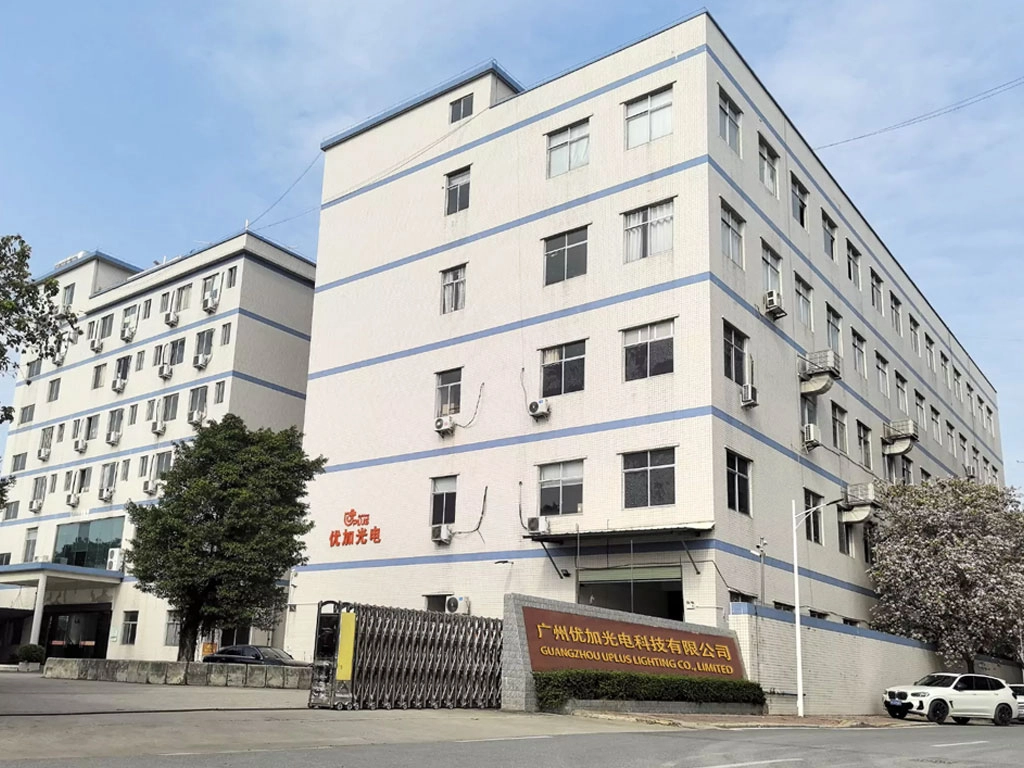
Uplus Lighting was established in 2012 in Guangzhou, China, and is a professional manufacturer specializing in high-end stage lighting products. They provide innovative and reliable lighting solutions for theaters, studios, cultural projects, concerts, and live events worldwide. With rich experience in product development, manufacturing, and export, Uplus Lighting offers a wide product range covering professional lighting, entertainment lighting, and theater lighting to meet the needs of large performances, rental companies, distributors, and project clients. Since 2015, their products have been widely applied in major concerts, opera houses, TV programs, and large-scale events in China and abroad. They support OEM orders and customized product development. A skilled production team and strict quality control ensure stable performance, consistent quality, and professional service trusted by global partners.
Uplus Lighting core products include moving head lights, strobe lights, LED battery lights, static lights, LED theatre lights, LED follow spot lights, stage effect lights, and laser lights. Competitive advantages: strong OEM capability, rapid R&D iteration cycles, factory-level quality control, flexible customization, and experience supplying both rental fleets and fixed-install projects. For buyers seeking the Best Moving Head Light with factory direct supply, Uplus' combination of product range and post-sale support is a practical consideration.
Standards, compliance and credible references
Why certifications and documentation matter
Seek CE, RoHS, and if applicable UL or ETL listings for electrical safety. For outdoor-rated fixtures, insist on IP ratings and manufacturer-provided ingress test data. Use manufacturer photometric reports for rigging and FOH focus—these are verifiable documents.
Where to verify product claims
Use manufacturer datasheets and independent photometric tests. For control protocol standards and basics, consult the DMX512 specification summary on Wikipedia (DMX512) and standards from professional bodies like ESTA or PLASA for rigging and safety guidance (see ESTA TSP).
Maintenance, lifecycle and fleet management tips
Routine checks and preventative maintenance
Create a schedule: lamp/LED engine checks, fan cleaning/replacement, firmware updates, gobo wheel inspection, and pan/tilt encoder calibration. Log hours and error codes via RDM if supported to plan preventive swaps before shows.
Refurbishment and resale value
High-quality fixtures with modular parts maintain resale value. For rental fleets, document any replacements and maintain a clean service history to improve remarketing returns.
FAQ — Best Moving Head Light
1. What is the single most important spec when choosing the Best Moving Head Light?
It depends on your use case. For arenas and festivals it's center-beam lux and beam angle; for theatre/broadcast it is color fidelity (CRI/TLCI) and optical quality (gobo/edge). Always combine photometric charts with your venue's lux targets.
2. Are LED moving heads as bright as discharge lamp fixtures?
Modern high-power LED moving heads have largely closed the gap for most pro applications. While some legacy discharge lamps still produce very high peak intensities for niche beam effects, LED fixtures offer better efficiency, color control, and maintenance profiles. Verify with manufacturer photometrics.
3. How do I compare beam vs wash moving heads on paper?
Compare beam angle, lux at distance (with haze), and beam profile charts. Beam fixtures focus light into tighter cones with higher center lux; wash fixtures distribute light more evenly. For multi-use rigs, consider hybrids.
4. Is IP65 moving head lighting necessary for outdoor festivals?
For long outdoor runs or unpredictable weather, IP65 fixtures give better protection against dust and water, reducing downtime. However, IP65 fixtures can be more costly—assess your risk profile and uptime requirements.
5. How often should I update fixture firmware and check for recalls?
Check firmware every 3–6 months and before major tours. Subscribe to manufacturer bulletins and maintain an SLA with your supplier to receive recall or safety notices promptly.
6. Can Uplus Lighting customize moving head specifications for a project?
Yes. Uplus Lighting supports OEM orders and customized product development, including optical configurations, color systems and branding—suitable for clients needing tailored solutions.
Contact & next steps
If you need a tailored recommendation for the Best Moving Head Light for your venue, tour or rental fleet, contact a trusted supplier. For factory-direct sourcing and OEM customization, consider contacting Uplus Lighting for catalogues, photometric charts and sample units. Request on-site trials or photometric reports to validate fixture choice before procurement.
Contact CTA: To request specifications, photometrics or OEM options from Uplus Lighting, visit their website or contact their sales team for project consultation and product catalogues—ideal for theatre, concert and broadcast applications.
Top 10 led stage light bar Manufacturers and Supplier Brands
How to Spec Moving Head Wash Lights for Theaters and Clubs
Affordable Moving Head Lights Under $1000: Best Picks
DMX, CRI and Color Control: Specs Buyers Must Know
IP Blinder 600
Can multiple lights be controlled synchronously for light effects and flicker?
It supports DMX512 or master-slave mode linkage, ensuring consistent parameters and perfect synchronization across multiple lights.
Is it easy for beginners to operate without a professional control panel?
It supports self-running mode, starting with preset programs upon power-on. No professional knowledge is required; it's plug-and-play.
IP-BL03
Is the laser brightness sufficient? What size space is it suitable for?
The 3W RGB laser has moderate brightness and a clear beam, suitable for small to medium-sized spaces such as courtyards, balconies, and small gathering places.
IP-PZ3740
Can the lighting effects and movements of multiple lights be kept consistent when controlled synchronously?
It supports DMX512 or master-slave mode linkage. Parameters are set uniformly, ensuring synchronized operation across multiple lights without deviation.
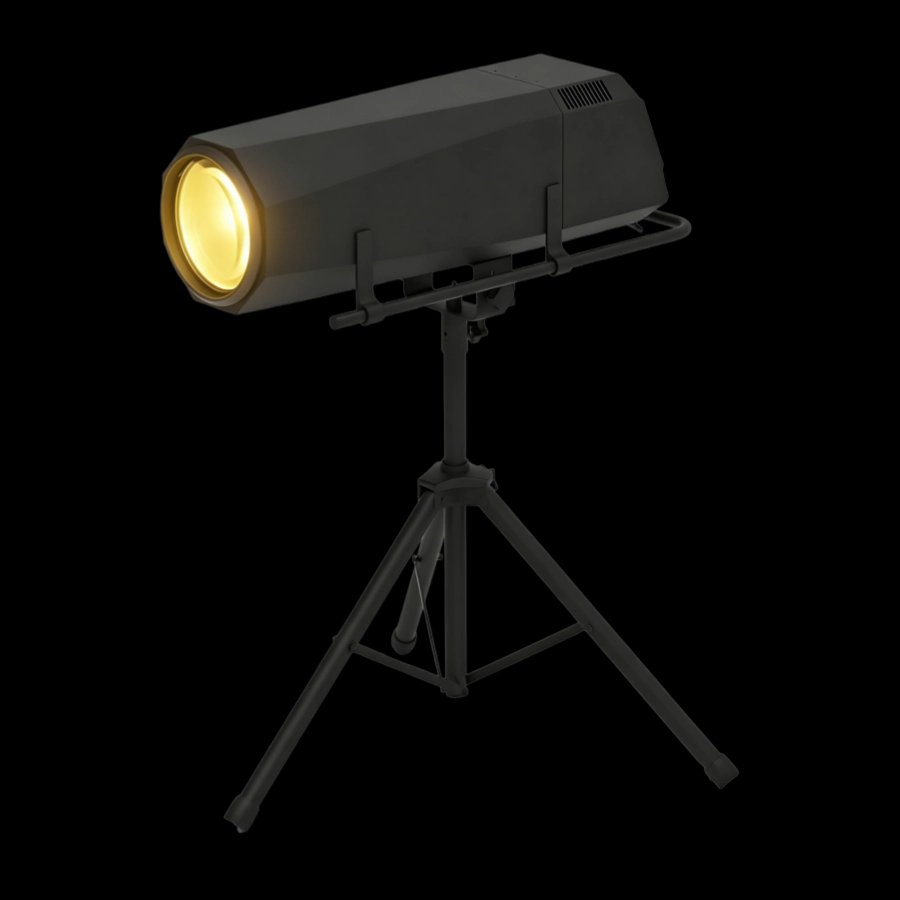
This 1200W waterproof LED follow spotlight with iris adjustment features strong light penetration, precise focusing, and smooth dimming with strobe effects.
Its rain- and dust-resistant design makes it suitable for outdoor performances, concerts, architectural lighting, and other applications. The LED light source boasts a long lifespan and stable, durable operation.
The Waterproof 1200W LED Follow Spot Light with Rotating Gobo features a rotating pattern sheet, delivering a powerful 1200W output for clear, focused beams and precise light tracking. Waterproof for outdoor use in all scenarios, the rotating pattern creates rich visual layers, making it ideal for large-scale indoor and outdoor performances, music festivals, light shows, and other events requiring focused attention and stage effects.
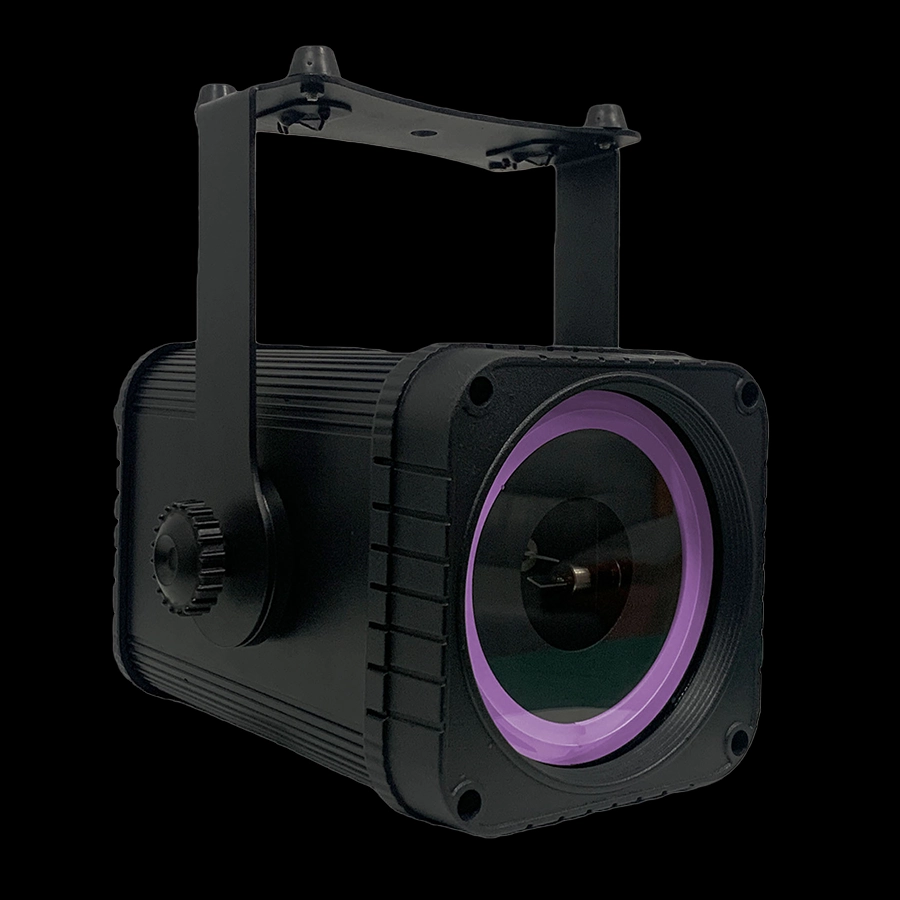
This IP65 waterproof 3W RGB animation laser battery light features an IP65 waterproof and dustproof design, making it suitable for both outdoor and indoor use. It supports rich RGB color combinations and dynamic animation effects, delivering a clear and fluid beam that can display text, patterns, and flowing light and shadow, among other visual representations.
Powered by a built-in battery, it requires no external power source, making it portable, easy to deploy, and simple to operate. Ideal for festive decorations, creating a garden atmosphere, and adding a touch of elegance to small events, it's energy-efficient, durable, and creates a truly immersive ambiance.
This IP65 waterproof 5W RGB animation laser battery light features an IP65 waterproof and dustproof design, making it suitable for both outdoor and indoor use. It supports rich RGB color combinations and dynamic animation effects, delivering a clear and fluid beam that can display text, patterns, and flowing light and shadow, among other visual representations.
Powered by a built-in battery, it requires no external power source, making it portable, easy to deploy, and simple to operate. Ideal for festive decorations, creating a garden atmosphere, and adding a touch of elegance to small events, it's energy-efficient, durable, and creates a truly immersive ambiance.
If you have any comments or good suggestions, please leave us a message, later our professional staff will contact you as soon as possible.
Lighting Innovators
Uplus Lighting is a leading integrated company specializing in R&D, design, production, and sales of stage lighting solutions.
 Scan QR Code
Facebook
Instagram
YouTube
VK