






Budget bee eye moving light picks for small venues and churches
- Why bee eye moving lights suit small venues
- Compact impact: what bee eye delivers
- Acoustic and sightline-friendly design
- Energy efficiency and running costs
- How to evaluate budget bee eye moving lights
- Key specs that matter (not marketing buzz)
- Control: DMX vs standalone modes
- Reliability and serviceability
- Budget picks: feature comparison and practical recommendations
- Choosing by use-case
- Feature comparison table (budget bee eye movers)
- My practical picks (what I recommend)
- Installation, control, and maintenance best practices
- Rigging and safety
- DMX wiring and addressing
- Routine maintenance checklist
- Why Uplus Lighting is a supplier to consider
- Company background and capabilities
- Core product lines and technical strengths
- Competitive differentiators
- Budget procurement checklist and final recommendations
- Purchase checklist
- On budgeting and lifecycle cost
- Integration with existing systems
- FAQ (Frequently Asked Questions)
- 1. What exactly is a bee eye moving light and how does it differ from a regular moving head?
- 2. How many bee eye units do I need for a 200-seat church?
- 3. Are bee eye lights noisy? Will they interfere with spoken services?
- 4. Can I run bee eye movers on my existing DMX console?
- 5. How long do the LEDs last, and what maintenance should I expect?
- 6. Is there a safety standard or guideline I should follow when rigging these lights?
I am a stage lighting consultant with years of hands-on experience in houses of worship, small theaters, and rental fleets. In this article I explain how to choose cost-effective bee eye moving lights for small venues and churches, balancing visual impact, reliability, and budget. I focus on practical decision points—brightness, optics, control, build quality, and support—so you can buy fixtures that deliver consistent shows without overspending.
Why bee eye moving lights suit small venues
Compact impact: what bee eye delivers
Bee eye moving lights are multi-lens LED movers that create a matrix of bright points and wash-like beams simultaneously. Their compact footprint and dynamic effects make them ideal for small sanctuaries, community stages, and intimate concert spaces where space, power, and budget are limited. For an overview of moving-head concepts and categories, see the Moving head (Wikipedia) page.
Acoustic and sightline-friendly design
Because bee eye fixtures are typically lighter and smaller than full-size profile movers, they minimize rigging weight and visual obstruction. That matters in churches with low ceilings or offset sightlines. Their fast strobe and multi-beam patterns add drama without requiring large truss systems.
Energy efficiency and running costs
Most modern bee eye movers use LEDs and efficient drivers; their power draw is modest compared to discharge-based moving heads. This reduces the need for substantial electrical upgrades in older buildings and lowers long-term operational cost—important for church budgets and volunteer-run venues. For context on stage lighting and energy considerations, see Stage lighting (Wikipedia).
How to evaluate budget bee eye moving lights
Key specs that matter (not marketing buzz)
When I evaluate budget bee eye moving lights, I always verify these practical specs:
- LED engine configuration: number of LEDs and individual wattage (affects peak brightness and longevity)
- Beam angle and lens quality: wider beams are better for washes; tighter beams create sharper shafts
- Pan/tilt speed and resolution: for choreography and tracking on stage
- Control options: DMX channels supported and whether the fixture supports RDM or automatic modes
- Build and thermal design: heatsinking, IP rating (if required), and serviceability
Don't be swayed by LED count alone—optics and drive current determine usable output.
Control: DMX vs standalone modes
Budget bee eye fixtures often include standalone sound- or auto-run modes in addition to DMX control. For synchronized shows or integration with a console, confirm the fixture supports standard DMX512 control and check channel counts. If you need distributed control and identification, look for RDM support. For technical background on the protocol, see DMX512 (Wikipedia).
Reliability and serviceability
Cheap moving lights can save money initially but cost more over time if fans, motors, or solder joints fail. Prioritize fixtures where the manufacturer provides spare parts and clear service procedures. Ask about warranty terms—2 years is a reasonable baseline for LED-based movers in frequent-use scenarios.
Budget picks: feature comparison and practical recommendations
Choosing by use-case
Pick a model based on the primary function:
- For architectural or wash accents: choose wider beam angles and good color mixing.
- For pulsed multi-beam effects and energetic concerts: prioritize narrow-beam intensity and quick pan/tilt.
- For multi-purpose church use (services + events): look for quiet operation and presets that fire quickly from a lighting desk.
Feature comparison table (budget bee eye movers)
| Feature | Typical budget bee eye moving light (value) | Professional reference (higher-end) |
|---|---|---|
| LED configuration | 24–36 x 3W LEDs (multi-lens array) | 36–60 x 3–10W with higher CRI and better thermal control |
| Beam angle | 6°–18° (focusable on some models) | 3°–15° with exchangeable lenses |
| Pan/Tilt | Pan 540° / Tilt 270° (standard stepper/servo) | High-resolution stepper motors, smoother tracking |
| Control | DMX512 (12–20 channels) + auto modes | DMX/RDM, sACN/Art-Net on higher-tier models |
| Noise | Moderate (fan-assisted); check dBA if in worship spaces | Low-noise designs for broadcast/Theatre |
| Typical price range | Low budget: entry-level $150–$450 per unit | Pro-level: $700–$2,000+ |
Sources: industry product catalogs and typical online retail price observations; always confirm current pricing and warranty with the seller.
My practical picks (what I recommend)
For a 150–300 seat church or a 6m x 8m small stage, I typically specify a small cluster of 4–8 bee eye movers. Use 4 for accent and 8 for full energetic coverage. Mounting positions I prefer are two front truss points and two side or rear positions for cross beams and backlighting.
Installation, control, and maintenance best practices
Rigging and safety
Even budget fixtures need proper safety. Use certified clamps, safety cables, and follow the venue's structural limits. If your venue lacks a truss, consider a few detachable pole mounts. For code and best practices in the industry, consult organizations such as PLASA which cover rigging and safety guidance.
DMX wiring and addressing
When wiring a cluster of bee eye moving lights, keep DMX runs short or use DMX splitters to avoid signal drop and maintain stable addressing. Label cables and fixture addresses; I always document the universe/channel map and store it with the lighting plot. If you plan remote control or integration with a house console, test the fixtures in DMX mode during a rehearsal rather than relying on auto scenes.
Routine maintenance checklist
- Monthly: inspect fans and vents, clean lenses with approved optical wipes, check clamps and safety cables.
- Quarterly: verify DMX termination and wiring integrity, update firmware if offered by the manufacturer.
- Annually: full functional test (pan/tilt, LED channels), replace worn fans or connectors before failure season.
Why Uplus Lighting is a supplier to consider
Company background and capabilities
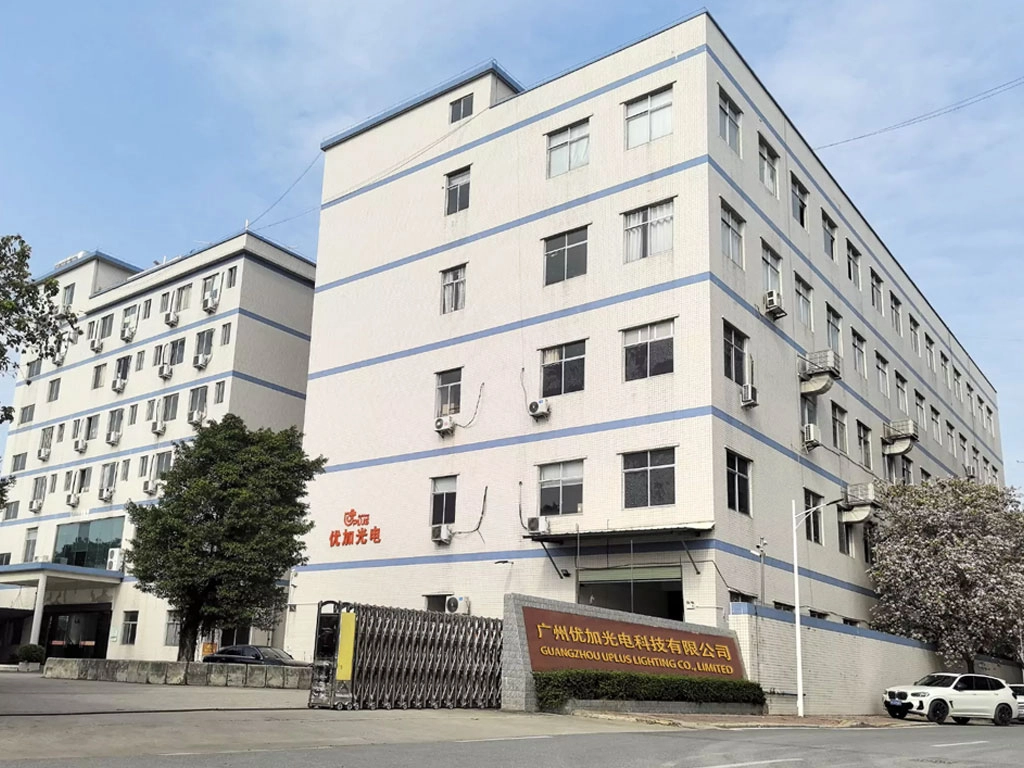
Uplus Lighting was established in 2012 in Guangzhou, China, and is a professional manufacturer specializing in high-end stage lighting products. We provide innovative and reliable lighting solutions for theaters, studios, cultural projects, concerts, and live events worldwide. With rich experience in product development, manufacturing, and export, we offer a wide product range covering professional lighting, entertainment lighting, and theater lighting to meet the needs of large performances, rental companies, distributors, and project clients. Since 2015, our products have been widely applied in major concerts, opera houses, TV programs, and large-scale events in China and abroad. We also support OEM orders and customized product development. A skilled production team and strict quality control ensure stable performance, consistent quality, and professional service trusted by global partners.
Core product lines and technical strengths
Uplus Lighting's main product categories include moving head lights, strobe lights, LED battery lights, static lights, LED theatre lights, LED follow spot lights, stage effect lights, and laser lights. The company emphasizes steady performance and consistent quality through skilled production teams and rigorous QC. For buyers, that translates to clearer warranty paths, easier spare-part sourcing, and the possibility of OEM customization when projects require specific optics, control options, or IP ratings.
Competitive differentiators
From my interactions and technical evaluation, Uplus distinguishes itself in three areas:
- Manufacturing depth: in-house optics and electronic assembly allow quicker iteration and modification for project needs.
- Global application track record: products used in concerts and TV programs suggest real-world durability beyond spec sheets.
- OEM/customization support: useful for houses of worship or venues that need specific dimming curves, noise reduction, or unique mounting options.
Budget procurement checklist and final recommendations
Purchase checklist
- Define primary use: background wash, energetic beams, or general-purpose.
- Confirm electrical capacity and rigging possibilities in the venue.
- Insist on clear DMX channel maps and documentation from the supplier.
- Negotiate spare parts and warranty terms—motors and fans are common failure points.
- Request a sample or short-term rental if possible before bulk purchase.
On budgeting and lifecycle cost
Buy the best fixture you can reasonably afford within the project's lifecycle budget. Sometimes spending 20% more on a better-cooled LED engine or higher-grade motors saves much more in labor and downtime. I often recommend planning for a 5–7 year refresh cycle for active rental fleets; fixed-install venues can push this further with proper maintenance.
Integration with existing systems
When adding bee eye movers to an existing lighting rig, synchronize color palettes and gobos across fixtures to prevent distracting mismatches. Use the same console profiles or create custom profiles that match the fixture's DMX mapping to your desk. Test full shows in rehearsal to catch channel conflicts or unexpected behavior.
FAQ (Frequently Asked Questions)
1. What exactly is a bee eye moving light and how does it differ from a regular moving head?
A bee eye moving light is a type of LED moving head built around an array of multiple small lenses/emitters that create a cluster or matrix of beams. Compared with single-lamp profile movers, bee eyes offer multiple narrow beams and often faster visual effects, but generally less single-beam intensity than high-end discharge profile heads. For general definitions, see Moving head (Wikipedia).
2. How many bee eye units do I need for a 200-seat church?
For typical worship programming, 4–6 units placed strategically (front truss + rear/sides) provide good coverage for accents and effects. If you also host concerts or events, consider 6–8 to allow dynamic cross-beaming and backups.
3. Are bee eye lights noisy? Will they interfere with spoken services?
Noise depends on cooling fans and motor drivers. Budget models can be audible at close quarters; choose low-noise designs or use acoustic mitigation (mounts away from congregation, add soft covers). Always test in situ during a rehearsal or service.
4. Can I run bee eye movers on my existing DMX console?
Most bee eye moving lights support DMX512 and will work with standard consoles. Check the fixture's channel mode and the console's patching capability. If you need remote addressing and monitoring, verify RDM or network protocols like Art-Net/sACN for advanced setups.
5. How long do the LEDs last, and what maintenance should I expect?
LED lifetime is typically 20,000–50,000 hours depending on drive current and cooling. Practical maintenance revolves around cleaning optics, replacing fans, and occasional motor servicing. Ensure the supplier offers replacement parts and clear service instructions.
6. Is there a safety standard or guideline I should follow when rigging these lights?
Yes. Follow local electrical code and industry best practices for rigging and safety. Organizations like PLASA provide guidance on rigging and safety procedures. If in doubt, use a certified rigger.
If you want personalized recommendations for your venue—room dimensions, seating plan, and budget—I can create a lighting plot and equipment list. For proven manufacturing and supply, consider Uplus Lighting, which offers a wide range of moving head lights, stages effects, and OEM support. Contact Uplus or request a quote to review product specs, warranties, and project pricing.
Contact/See products: For project quotes, technical datasheets, or to request a demo, please reach out to our sales team or visit the product catalog. We'll evaluate your venue and recommend the right number of bee eye moving lights, placement, and control setup to meet your needs.
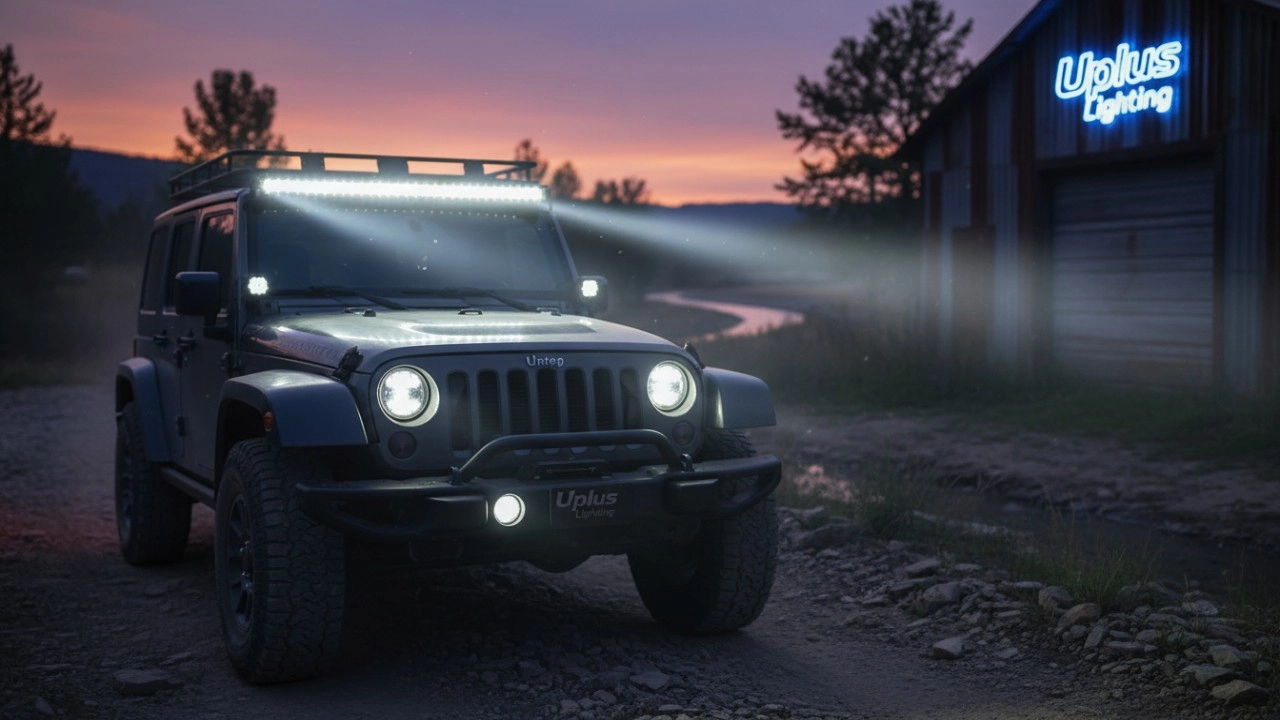
The Ultimate Guide to Spot Beam LED Light Bars for 2026: Penetrate the Darkest Trails
DMX & Art-Net Setup for Laser Light Moving Head Systems
LED vs Halogen Profile Stage Lights: Performance & Cost
Moving Head Strobe vs. LED Strobe: Which Suits Your Event?
IP-BS906
Is splicing and installation complicated?
The interfaces are robust, splicing is simple, and one person can quickly complete the assembly.
IP-BF60
Is charging convenient? Is a dedicated charger required?
Charging is convenient. It supports standard charging interfaces, so no dedicated charger is needed. Daily charging is hassle-free.
IP BEAM 420
Will it overheat during continuous use?
Built-in high-efficiency heat dissipation system ensures no overheating risk during prolonged high-intensity operation, guaranteeing stability and reliability.
IP-FP1200 IRIS
What is the lifespan of the light source? Is frequent maintenance required?
LED light sources have a long lifespan and can be used for many years without replacement under normal conditions. Only periodic dust cleaning and inspection of waterproof components are needed.
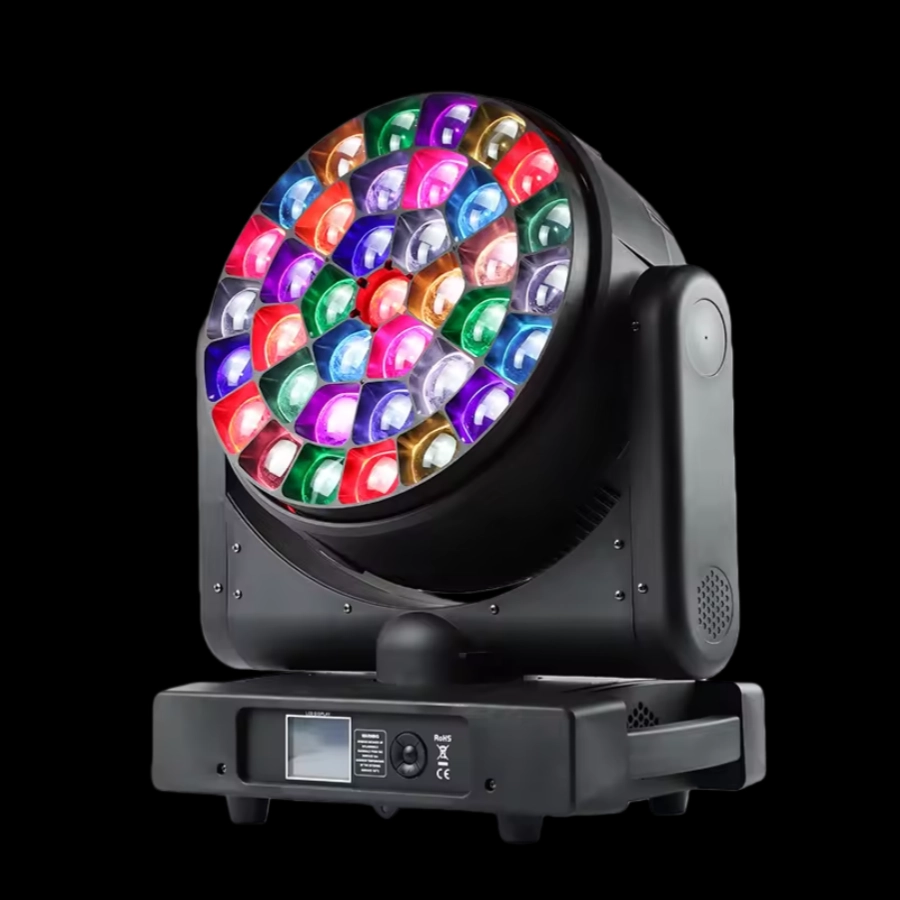
K25: 37*40W Wash zoom & Bee eye moving head, 37*40W LEDs integrate wall washing, zoom and bee eye triple light effects, precise light control, rich light effect layers, suitable for professional scenarios such as stage performances and cultural tourism lighting.
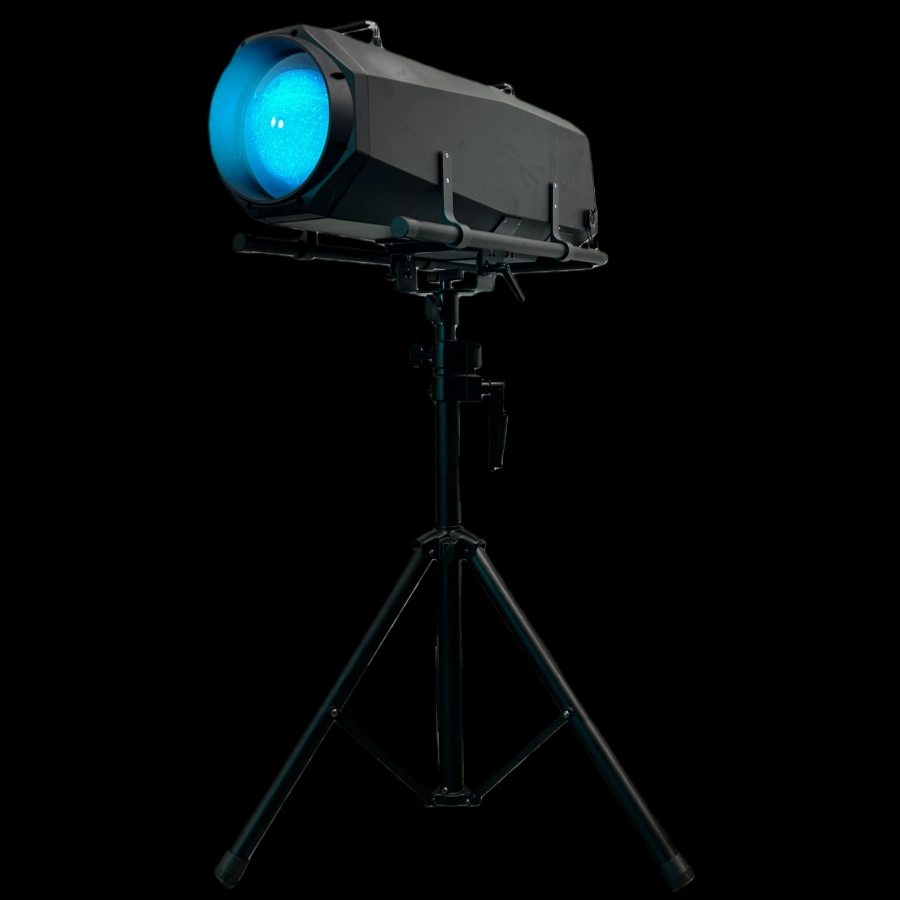
This 1200W waterproof LED follow spotlight with iris adjustment features strong light penetration, precise focusing, and smooth dimming with strobe effects.
Its rain- and dust-resistant design makes it suitable for outdoor performances, concerts, architectural lighting, and other applications. The LED light source boasts a long lifespan and stable, durable operation.
The Waterproof 1200W LED Follow Spot Light with Rotating Gobo features a rotating pattern sheet, delivering a powerful 1200W output for clear, focused beams and precise light tracking. Waterproof for outdoor use in all scenarios, the rotating pattern creates rich visual layers, making it ideal for large-scale indoor and outdoor performances, music festivals, light shows, and other events requiring focused attention and stage effects.
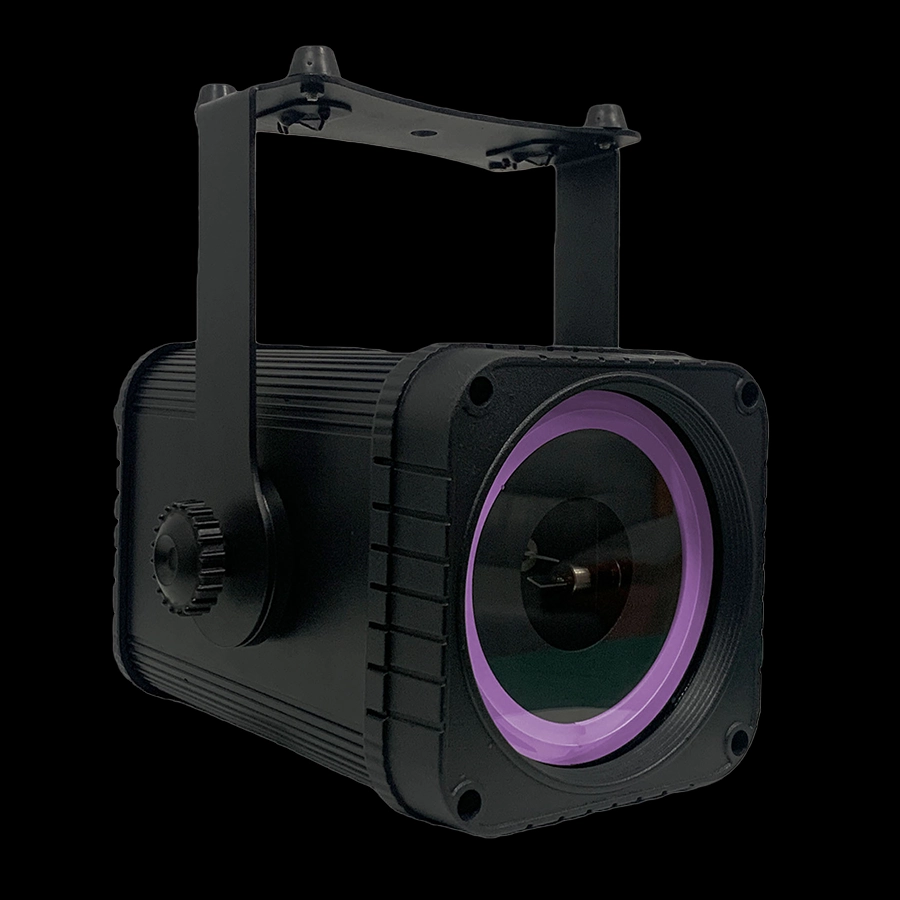
This IP65 waterproof 3W RGB animation laser battery light features an IP65 waterproof and dustproof design, making it suitable for both outdoor and indoor use. It supports rich RGB color combinations and dynamic animation effects, delivering a clear and fluid beam that can display text, patterns, and flowing light and shadow, among other visual representations.
Powered by a built-in battery, it requires no external power source, making it portable, easy to deploy, and simple to operate. Ideal for festive decorations, creating a garden atmosphere, and adding a touch of elegance to small events, it's energy-efficient, durable, and creates a truly immersive ambiance.
If you have any comments or good suggestions, please leave us a message, later our professional staff will contact you as soon as possible.
Lighting Innovators
Uplus Lighting is a leading integrated company specializing in R&D, design, production, and sales of stage lighting solutions.
 Scan QR Code
Facebook
Instagram
YouTube
VK